
Your living room works hard.
It’s where people gather, rest, watch movies, fold laundry, open snacks, play games, work from the couch, and drop random items at the end of the day.
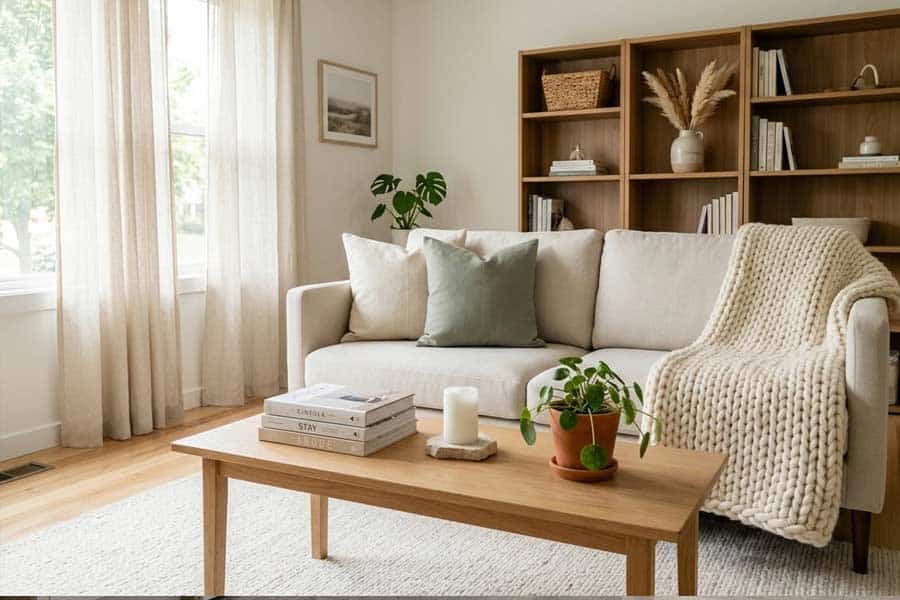
Over time, the room can start to feel tired, cluttered, or unfinished.
The good news is that you don’t need a full makeover to make it feel better.
A weekend refresh can help your living room feel cleaner, brighter, and more comfortable without replacing everything you own.
With a simple plan, you can reset the space, move a few pieces around, clean what’s been ignored, and add small touches that make the room feel new again.
The goal isn’t perfection.
The goal is a living room that feels easier to enjoy by Sunday night.
Start With a Clean Base
Before you move furniture or buy anything new, clean the room first.
A living room can look outdated when it’s really just dusty, cluttered, or full of everyday mess.
Pet hair on the sofa, crumbs under the coffee table, dusty shelves, and scattered toys can make the whole room feel less inviting.
If your space needs a deeper reset than you have time for, it may help to read Homeaglow feedback before deciding whether outside cleaning support makes sense.
A cleaning service can be useful when you want the room to feel fresh but don’t want to spend your whole weekend scrubbing floors, dusting shelves, and catching up on hidden mess.
Once the room is clean, you can see what actually needs to change.
You may realize that your furniture still works, your decor is fine, and the room simply needed a better reset.
Make a Simple Weekend Plan
A living room refresh can get out of hand if you start without a plan.
Before you begin, decide what you want the room to feel like.
Do you want it to feel calmer? Brighter? Cozier? More open? Better for guests? Easier for family movie nights?
Then make a short list of what needs to happen.
Your list may include decluttering, cleaning, rearranging furniture, updating pillows, changing lighting, styling shelves, and adding better storage.
Keep the plan realistic.
You only have one weekend, so avoid starting a project that will leave the room half finished for weeks.
Painting one wall may be realistic. Replacing flooring probably isn’t.
A clear plan helps you finish with a room that feels refreshed instead of creating a bigger mess.
Clear Everything That Doesn’t Belong
The fastest way to improve a living room is to remove items that shouldn’t be there.
Start with cups, plates, mail, laundry, shoes, school papers, toys, bags, chargers, and random items from other rooms.
Use baskets to make this easier.
One basket can hold items that belong elsewhere. Another can hold things you need to sort later. A trash bag can handle wrappers, old papers, and anything that needs to go.
Don’t try to organize the whole house during this step.
Your goal is to clear the living room so you can see the space again.
Once the room is free of extra items, it’ll already feel lighter.
Remove Extra Decor
Decor can make a living room feel warm and personal.
Too much decor can make it feel busy.
Take everything off the coffee table, side tables, shelves, mantel, and media console.
Wipe the surfaces clean before placing anything back.
Then choose only the items you still like and actually use.
Keep pieces that add beauty, comfort, or meaning to your space. Move or store anything that feels outdated, crowded, or out of place.
This doesn’t mean the room has to look plain.
It means each piece should have room to stand out.
A few thoughtful items often look better than many small objects spread across every surface, and I find that editing down is usually the move that makes a room feel most pulled together.
Dust From Top to Bottom
Dust can make a room feel dull.
Start high and work down.
Dust ceiling fans, light fixtures, curtain rods, shelves, picture frames, lamps, electronics, tables, baseboards, and vents.
If you have open shelves, take the time to remove items and clean the shelf surface.
Wipe your decor pieces before placing them back.
Dust also gathers on plants, books, baskets, and frames, so don’t skip those details.
Clean lighting is especially important.
Dusty lamps and bulbs can make your room feel darker than it actually is. Wiping them down can help the space feel brighter almost at once.
Clean the Sofa and Chairs
The sofa is usually the center of the living room.
If it looks tired, the whole room can feel tired.
Remove cushions if possible and vacuum under them.
Check for crumbs, toys, coins, pet hair, and small items that have slipped between seats.
Vacuum the fabric or wipe the leather based on the care instructions.
Use a lint roller for pet hair.
Wash pillow covers and throws if the labels allow it.
Then fluff the cushions and pillows.
A clean sofa can make the room feel more inviting without buying anything new.
If your sofa still looks flat, try a new pillow cover, a folded throw, or a small change in layout before thinking about replacing it.
Reset the Floors
Floors shape the way a room feels.
Pick up everything from the floor first. Then vacuum, sweep, or mop based on your flooring.
Move small furniture if you can do it safely.
Dust and crumbs often hide under side tables, chairs, baskets, and the sofa edge.
If you have a rug, vacuum it slowly.
Go in more than one direction so you can lift dust and hair from the fibers.
Spot clean stains if needed.
A clean floor makes the whole room feel more polished and gives your furniture and decor a better foundation to shine.
Rearrange the Furniture
One of the best free ways to refresh a living room is to change the layout.
You don’t need to move every piece.
Try shifting the sofa, moving chairs closer together, turning a side table, or changing the angle of a reading chair.
Think about how your family actually uses the room.
If people gather for movies, make the seating comfortable for that. If the room is used for conversation, pull chairs closer. If kids play on the floor, create more open space.
Make sure pathways are clear.
A living room should be easy to move through.
A better layout can make your room feel larger, warmer, and more useful without adding anything new.
Create a Strong Focal Point
A living room feels more put together when there’s a clear focal point.
This might be a fireplace, window, sofa, art wall, bookcase, or media area.
Choose the feature that makes the most sense in your room.
Then arrange furniture and decor to support it.
If the television is the focal point, keep the media console clean and organized. If the fireplace is the focus, clear the mantel and style it simply. If a window is the best feature, open the curtains and let the light in.
A clear focal point helps the room feel intentional.
Without one, the space can feel scattered even when it’s clean.
Improve the Lighting
Lighting can change a living room quickly.
A room may feel flat or cold because the lighting is too harsh, too dim, or only coming from the ceiling.
Try using lamps at different heights.
A floor lamp near a chair can create a reading spot. A table lamp can make a side table feel finished. Soft lighting near the sofa can make the room feel cozy at night.
Clean your lamp shades and replace any burned out bulbs.
Open curtains during the day to bring in natural light.
If your living room feels dark, move mirrors or light colored decor where they can reflect more light.
Good lighting can make the room feel refreshed even if you change nothing else, and I’d say it’s one of the most underrated things you can do for a space.
Update Pillows and Throws
Pillows and throws are easy weekend updates.
They can change the color, texture, and mood of your room without a major spend.
Before buying new ones, look at what you already have.
Wash covers, fluff inserts, and move pillows from another room.
Try mixing textures like cotton, linen, velvet, knit, or woven fabrics.
Keep the number of pillows realistic.
Your sofa should still be comfortable to sit on.
A throw blanket can add warmth and softness. Fold it over the arm of the sofa, place it in a basket, or drape it across a chair.
Small textile updates can make the room feel fresh and cozy, and they’re one of my favorite ways to shift a space without spending much.
Style the Coffee Table Simply
The coffee table often becomes a drop zone.
Clear it completely, clean it, and then style it with only a few items.
A tray is helpful because it gathers small pieces and makes them feel intentional.
You might add a book, candle, small plant, bowl, or coaster set.
Leave room for real life.
If your family uses the coffee table for snacks, games, homework, or drinks, don’t fill every inch with decor.
A simple coffee table looks better and works better.
The best styling supports your life instead of getting in the way.
Make Storage Easier
A living room can only stay fresh if daily items have a place to go.
Look at what keeps making the room messy.
Toys, blankets, remotes, books, video game items, pet supplies, and chargers often need better storage.
Use baskets, bins, shelves, cabinets, or trays.
Choose storage that’s easy to use.
If kids need to clean up toys, use open baskets. If blankets pile up on the sofa, place a large basket nearby. If remotes always disappear, keep a tray on the coffee table.
Storage should match your real habits.
Refresh the Walls
You don’t need to repaint the whole room to make the walls feel better.
Start by cleaning them.
Wipe marks around light switches, door frames, and high touch areas. Dust art frames and mirrors. Straighten anything that hangs crooked.
If you have old nail holes or scuffs, patch or touch them up.
Then look at your wall decor.
Could one large piece make the room feel calmer than several small ones? Could a mirror bring in more light? Could a gallery wall be simplified?
Wall updates can make a big visual impact, but they don’t have to be complicated.
Sometimes cleaning and editing what is already there is enough.
Add Natural Elements
Natural elements can make a living room feel fresh and relaxed.
Try adding a plant, fresh branches, flowers, wood accents, woven baskets, stoneware, or natural fiber textures.
These details bring warmth without making the room feel crowded.
If you don’t want to care for plants, use simple greenery or dried stems.
A wooden tray, woven basket, or linen pillow can also soften the space.
Natural elements work well because they add texture and life.
You only need a few.
The goal is to make the room feel warmer, not fill every corner.
Create a Cozy Corner
If the whole living room feels like too much to tackle, focus on one corner.
Choose a chair, side table, lamp, or small area near a window.
Clear the clutter. Clean the floor. Add a pillow, throw, lamp, plant, or small stack of books.
Make it a place where someone would want to sit.
This small win can change how you feel about the entire room.
A cozy corner gives your living room a finished moment, even if the rest of the space is still simple.
It also creates a clear purpose for part of the room.
Check the Scent of the Room
A fresh living room should smell clean, not just look clean.
Start by removing the source of odors.
Take out trash, wash throws, vacuum rugs, clean pet beds, and open windows if the weather allows.
Avoid covering smells with a strong candle before cleaning.
Once the room is clean, add a light scent if you enjoy it.
A candle, diffuser, fresh flowers, or clean linens can make the space feel more welcoming.
The scent shouldn’t be overwhelming.
It should quietly support the fresh feeling of the room.
Do a Final Sunday Reset
Before the weekend ends, do one final reset.
Put away cleaning supplies. Return items from baskets to their proper rooms. Fold blankets. Fluff pillows. Clear the coffee table. Empty trash. Vacuum any spots that collected dust during the refresh.
Then step back and look at the room.
Notice what feels better.
Also notice what still needs work, but don’t start another big project unless you have time and energy.
Write down any future updates you may want, such as new curtains, a better lamp, or a storage basket.
This helps you finish the weekend with progress instead of pressure.
Keep the Room Fresh After the Weekend
A weekend refresh feels best when it lasts.
Create a simple maintenance plan.
Reset the coffee table each night. Put toys in baskets. Fold blankets before bed. Vacuum high traffic areas when needed. Wipe surfaces once a week. Keep extra items from collecting on tables.
Make the routine easy enough for the family to follow.
The living room shouldn’t depend on one person cleaning it every day.
When everything has a clear place, the room is easier to maintain.
A fresh living room isn’t about constant cleaning.
It’s about small habits that keep the space comfortable.
A Weekend Is Enough to Make a Difference
You don’t need a large budget or a full makeover to refresh your living room.
Start by cleaning, decluttering, and removing what doesn’t belong. Dust, vacuum, reset the sofa, and clear the surfaces. Then rearrange furniture, improve lighting, simplify decor, and add storage where your family needs it most.
Small changes can make the room feel new again.
By the end of the weekend, your living room can feel cleaner, calmer, and easier to enjoy.
That’s the real goal.
A refreshed living room should support daily life, welcome guests, and give your family a place to relax without feeling surrounded by clutter.

Leave a comment