
Older California homes have a unique charm.
Hardwood floors, handcrafted details, and sweeping glass walls give each home a timeless appeal.

But beneath the beauty lies one of the most dreaded problems a homeowner can face: termites.
These notorious pests hide underground and feed off the wood in your home, often for years before you’d ever notice.
While you can restore the affected areas with proper termite damage repair and get devastating infestations under control before they spread, the real challenge lies in recognizing the problem early.
Termite damage generally stays hidden within a home’s structure, and you may not notice it for years.
Even a small infestation can quietly feed on your wooden structures and cause extensive damage without leaving a single visible sign.
Why Are Older California Homes More Vulnerable?
Most older California homes have untreated, aging wooden framing along with years of accumulated wear and tear.
Small cracks in the foundation, outdated plumbing, aging roofs, and poor ventilation create the perfect conditions for subterranean and drywood termites to breed.
Older properties often lack a six-inch clearance between the soil and wooden siding or decks.
This creates direct soil-to-wood contact and gives termites a straightforward path into your home.
Decades of wear and unnoticed infestation can quietly weaken structural elements you’d never think to check.
California’s warm climate, seismic activity, and natural soil settling also create cracks in foundations and stucco.
These make perfect entry points for termites, allowing them to stay active year-round and expand completely undetected.
Most Common Termite Issues in California Homes
Termites don’t announce their presence.
They quietly build colonies and feed on wood from the inside out.
So before you add finesse to your home, here are the key termite problems you’ll want to address first.
Weakened Structural Wood
The lowest points of a home, such as the mudsills, support beams, floor joists, roof framing, and wall studs, are prime feeding areas.
Subterranean termites build mud tubes from the soil and hollow out the wood from within.
This compromises the strength of structural components and reduces their load-bearing capacity, which can eventually show up as uneven ceilings, sagging floors, or doors that suddenly start sticking.
If you’ve been noticing any of those things in your home, it’s worth looking deeper than the surface.
Damaged Hardwood Flooring
Hardwood flooring is one of the most distinctive and beautiful features of older California properties.
It’s also exactly what termites feed on.
Termites consume the cellulose inside the wood and leave the exterior looking completely intact, which is part of what makes them so hard to catch.
You might notice blistering surfaces, soft spots, or hollow sections underfoot.
In severe cases, the underlying wood may have already been consumed, leading to board collapse or cracking that can ruin a floor you’ve worked hard to maintain and love.
Hollow Doors and Ruined Window Frames
Decorative woodwork lends historic homes a real sense of character, but it’s often the primary target of termites.
They feed on door frames, crown molding, baseboards, and window trim, creating hollow spaces behind surfaces that still look fine from the outside.
You might notice hollow sounds when you knock on a surface, bubbling or cracking paint, or doors and windows that have started warping and sticking in ways they never used to.
I’d take any of those signs seriously rather than writing them off as normal settling.
Drywall and Interior Wall Degradation
Subterranean termites don’t just attack exposed wood.
They often hollow out the paper lining and interior of drywall as well.
You may notice peeling, warping, or bubbling paint, yellow or brown stains, small pinholes, or hollow sounds when you tap the wall.
In some cases, sections of the wall can also sag due to weakened wooden framing behind them.
Since most of these signs can easily be mistaken for water damage or normal aging, I’d strongly recommend a professional termite inspection to keep the damage from spreading any further.
It’s one of those behind-the-scenes steps that protects everything you’ve put into making your home look and feel its best.
Protecting Older Homes with Preventive Maintenance Methods
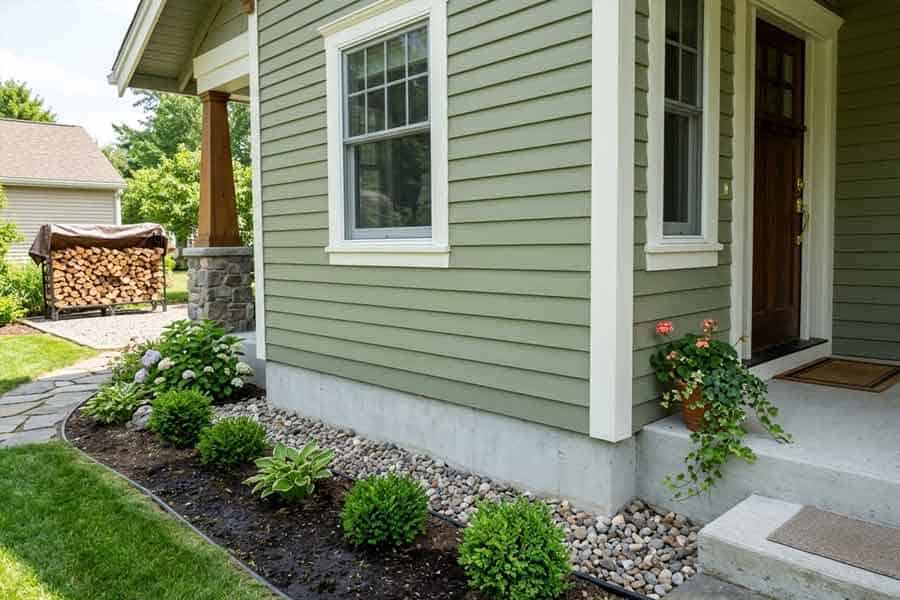
Did you know termites inflict more than $5 billion in property damage annually?
That’s a staggering number, and it’s a good reminder that no home is completely immune.
The good news is there are practical steps you can take to seriously reduce your risk.
- Make professional termite inspections a regular annual habit.
- Fix leaking pipes, faucets, and roofs to block moisture entry.
- Keep lumber, firewood, and mulch away from your foundation.
- Seal all cracks and gaps in the foundation and exterior walls.
- Make sure crawl spaces and attics have proper ventilation.
- Replace damaged or decaying wood as soon as you spot it.
- Trim tree branches and shrubs that touch the house.
- Choose termite-resistant materials like treated lumber, concrete, or steel when you’re renovating.
Protect Your Home Now So Its Beauty Lasts for Years to Come
Older California homes offer so much more than just good looks.
They have a character and craftsmanship that simply can’t be replicated, and that’s worth protecting.
I’ve always believed that a truly beautiful home is one that’s been cared for from the foundation up, not just the surfaces you can see.
Knowing your home’s vulnerabilities and staying ahead of them with regular maintenance and timely termite treatment can protect your property from lasting structural damage and preserve its real value for many years to come.

Leave a comment