
Commercial restrooms take a beating.
They deal with constant foot traffic, moisture, splashes, cleaning chemicals, fingerprints, scuffs, and the occasional bit of damage.
In a busy office, school, restaurant, or public building, those small signs of wear can add up quickly.
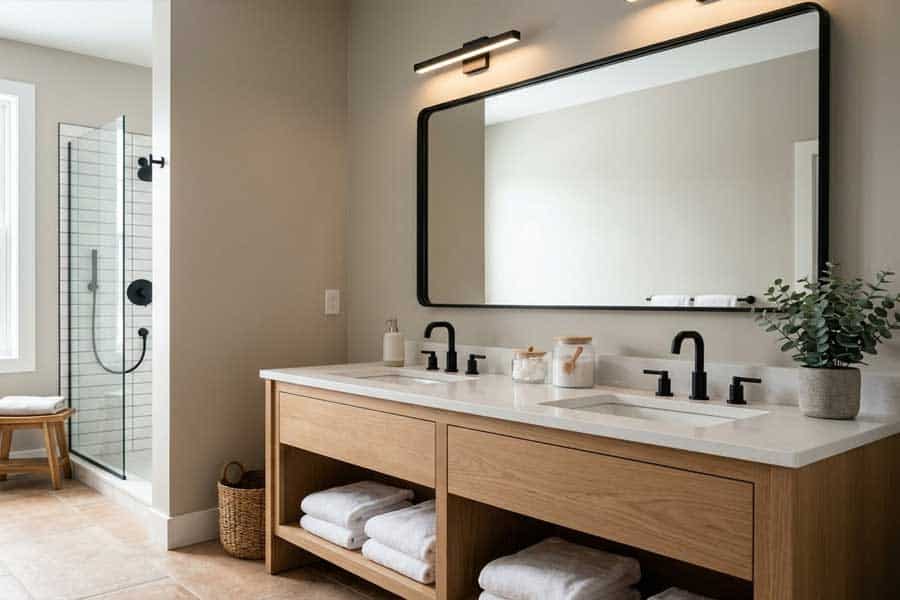
Before long, walls that once looked fresh begin to feel tired, and maintenance teams are left repainting, repairing, and cleaning more often than expected.
That’s where smarter paint choices can make a real difference.
Paint may seem like a simple finishing detail, but in a commercial restroom, it does much more than add color. The right product can protect your walls, make cleaning easier, resist moisture, and delay the need for repainting.
Over time, that can lower labor costs, reduce material waste, and help your restroom stay presentable with less effort.
So, how do you choose paint that looks good and saves money? It starts with understanding what your space actually needs.
Paint Is More Than a Decorative Finish
In a commercial restroom, paint acts as a protective layer between the wall and everything the room throws at it. It’s honestly the same logic I’d use for a home bathroom that gets a lot of daily use.
Moisture is one of the biggest challenges. Even when water isn’t directly hitting the walls, humidity and condensation can slowly affect the surface.
Add frequent cleaning and heavy use, and ordinary interior paint may begin to peel, fade, or stain much sooner than you’d expect.
Low quality paint can seem like a bargain at first. The upfront cost is lower, and the room may look fine after the first coat.
But if the finish starts failing within a year, your savings disappear quickly. Repainting means buying more materials, paying for more labor, and dealing with disruption while the work gets done.
A stronger commercial grade coating may cost more at the beginning, but it often lasts longer and performs better under pressure.
That’s the real goal here. Fewer problems later.
Moisture Resistance Helps Prevent Expensive Damage
Commercial restrooms naturally create humid conditions. Hot water, poor airflow, and regular cleaning can leave moisture sitting in the room for long periods.
When paint isn’t designed to handle that environment, the problems can spread beyond the surface. Bubbling, peeling, mildew, and discoloration may appear.
In some cases, moisture can reach the wall underneath, leading to more serious repairs.
Moisture resistant paint helps create a stronger barrier for your walls. Many products made for bathrooms and commercial spaces also include mildew resistant properties, which can be useful in areas with limited ventilation.
Of course, paint can’t do all the work on its own.
Good ventilation still matters. Your exhaust fans should be properly sized, regularly cleaned, and kept in working condition.
Leaks should be repaired quickly, and standing water should never be ignored. Paint works best when it’s part of a wider moisture control plan, the same way a beautiful home bathroom relies on more than just a fresh coat of color.
Still, choosing the right coating gives your walls a much better chance of holding up over time.
The Right Finish Makes Cleaning Easier
Paint finish has a major impact on maintenance, and I’d argue it’s one of the most underrated decisions in the whole process.
Flat and matte paints are popular in some indoor spaces because they hide wall imperfections and create a soft appearance.
In a commercial restroom, though, they’re usually harder to keep clean. Dirt and moisture can settle into the surface, and scrubbing may leave marks or remove some of the finish.
Satin and semi gloss paints are often more practical, and honestly, this is the same advice I’d give for a busy home bathroom too.
Satin has a gentle sheen and provides a good balance between appearance and durability. It’s easier to wipe down than matte paint and doesn’t reflect as much light as a glossier finish.
Semi gloss is even tougher. It handles frequent cleaning well and offers stronger moisture resistance.
That makes it useful near sinks, hand dryers, doors, and other high contact areas in your space.
Would you rather pay a little more for a finish that cleans easily, or repaint the same walls again and again?
For most facility managers, the answer is clear.
The easier your walls are to clean, the less time your maintenance team needs to spend scrubbing, touching up, and repainting.
Smart Color Choices Can Hide Everyday Wear
Color affects maintenance more than many people realize, and it’s also where you get to have a little fun with the room’s personality.
Bright white can make a restroom feel fresh, but it also shows nearly every scuff, fingerprint, and splash.
In a low traffic space, that may not be a major issue. In a busy public restroom, it can create constant cleaning work.
Darker colors can hide some marks, but they come with their own challenges. Deep shades may show dust, dried water spots, and soap residue.
They can also make smaller restrooms feel cramped, especially when your lighting is limited.
Mid tone neutrals often offer the best balance. Soft gray, greige, muted beige, and light taupe can disguise minor wear without making the room feel dark.
Pale blue and soft green can also work well when your goal is to create a calm, clean atmosphere, similar to the soothing palettes I often see recommended for home bathroom retreats.
The best color isn’t simply the one that looks nicest on a paint card. It should suit your traffic level, lighting, fixtures, and cleaning routine.
A practical color reduces the need for constant touch ups while still keeping your space welcoming.
Coordinate Paint With the Rest of the Room
Paint doesn’t exist on its own. It needs to work with your flooring, countertops, lighting, hardware, fixtures, and partitions, much like coordinating a color story anywhere else in your home.
When these elements clash, your restroom may look outdated or poorly planned, even if each material is in good condition. That can lead to unnecessary updates simply because the room doesn’t feel cohesive.
It’s usually best to start with the materials that are hardest or most expensive to replace. Flooring and partitions often stay in place much longer than paint, so your wall colors should complement those surfaces.
For example, stainless steel partitions pair naturally with cool grays, whites, blues, and muted greens. Warm laminate finishes may work better with beige, cream, greige, or earthy tones. Design teams comparing partition materials and finishes may review resources from One Point Partitions as part of the wider planning process.
The paint doesn’t need to match everything exactly. In fact, too much matching can make the room feel flat.
The goal is to create a balanced palette that can stay relevant for years, the same approach I’d suggest for any room you want to feel timeless rather than trendy.
A timeless, coordinated design also reduces the pressure to repaint simply because a trendy color has fallen out of style.
Good Surface Preparation Extends Paint Life
Even the best paint will fail if the wall underneath isn’t properly prepared.
Commercial restroom walls may have soap residue, moisture stains, grease, dust, old adhesive, or damaged areas. Painting directly over these problems can lead to poor adhesion and an uneven finish.
Before painting, your walls should be thoroughly cleaned and allowed to dry. Peeling paint should be removed, cracks should be repaired, and any source of water damage should be addressed.
Primer is also important, and it’s a step I’d never skip no matter how tempting it is to rush.
A high quality primer helps the new paint bond to the surface and can block stains from showing through.
In damp environments, a primer designed for moisture prone areas may offer additional protection.
Preparation takes time, but skipping it usually costs more later.
A rushed job may look acceptable for a few months, then begin to bubble or peel. A properly prepared wall is far more likely to hold its finish and resist everyday wear.
Simple Maintenance Habits Protect the Finish
Once your restroom has been painted, regular care can extend the life of the coating.
Your walls should be cleaned with products that are suitable for painted surfaces. Strong chemicals may damage the finish, cause fading, or leave shiny patches.
Maintenance teams should follow the paint manufacturer’s cleaning guidance whenever possible.
High contact areas deserve extra attention. Doorways, sink areas, hand dryer zones, and walls near waste bins often collect marks more quickly.
Checking these spots regularly allows small problems to be handled before they spread, the same way I always tell people to catch small wear and tear early in any beautifully kept home.
Keeping a small amount of labeled touch up paint on site is also helpful. Record the brand, color name, finish, and product line so future repairs blend in properly.
Minor touch ups are faster and cheaper than repainting an entire room.
Good ventilation should also remain part of your maintenance routine. Exhaust systems need regular checks, and leaks should be repaired quickly.
A durable paint system still needs a dry, well managed environment to perform at its best.
Long Term Savings Go Beyond the Paint Can
The real cost of paint isn’t just the price printed on the label.
You also need to consider labor, preparation, cleaning, downtime, repairs, and how often the room will need to be repainted.
A cheaper product that fails quickly can become far more expensive than a durable coating that lasts for years.
Smarter paint choices can reduce repainting frequency, simplify cleaning, and help protect the wall underneath. They can also keep your restroom looking professional, which matters to customers, employees, tenants, and visitors.
A well maintained restroom sends a quiet message. It shows that the building is cared for.
And that matters more than many people think, whether you’re managing a public space or simply keeping your own home feeling well looked after.
Small Paint Decisions With a Lasting Payoff
Reducing commercial restroom maintenance costs doesn’t always require a major renovation. Sometimes, it begins with a smarter paint choice.
Moisture resistant coatings can help prevent peeling and mildew. Satin and semi gloss finishes make routine cleaning easier.
Practical colors hide everyday wear, while proper preparation helps your finish last longer.
When paint is chosen as part of the full restroom design, rather than as an afterthought, it can save you time, money, and frustration.
The key is to look beyond the initial price.
Choose products that suit your environment, prepare the surface carefully, and maintain your walls with the right methods.
Those steps may feel small, but together they create a restroom that stays cleaner, looks better, and costs less to maintain over time, and honestly, that’s a lesson worth carrying into every room of your home.

Leave a comment