
Homeowners often categorize home maintenance issues into neat, separate boxes.
Roofers handle the roof. Plumbers manage the pipes.
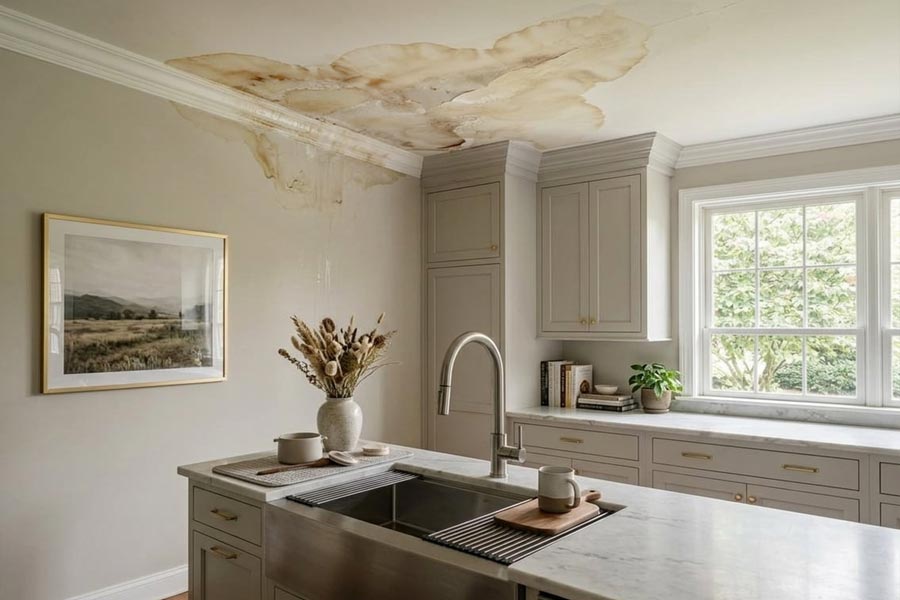
Yet a house operates as an interconnected system, and a failure in one area cascades into problems elsewhere.
Seemingly minor roof leaks can lead to massive plumbing disasters, making this one of the most overlooked examples of how a home’s systems depend on each other.
A small drip from the ceiling might look like a straightforward roofing problem.
The water’s journey from the roof deck to your living space, however, causes hidden damage that compromises your plumbing infrastructure.
Water is relentless.
Once it breaches the protective envelope of your home, it follows the path of least resistance, and that path frequently intersects with the pipes and vents that keep your home functioning.
Recognizing the signs early saves you from the compounding costs of simultaneous roofing and plumbing failures.
Understanding this relationship helps you maintain your home proactively.
I’ll walk you through how roof leaks can infiltrate plumbing systems, the hidden dangers they pose, and the steps professional plumbing contractors recommend to reduce these risks.
The Hidden Pathway: How Water Travels
To understand how a roof leak affects plumbing, you need to know a little about the anatomy of a house.
Water enters the attic or the spaces between walls when shingles are damaged, flashing is compromised, or gutters overflow.
These areas house electrical wiring, HVAC ducts, and plumbing lines.
Water seeps through the roof deck, saturating insulation and pooling on the ceiling joists.
Gravity pulls it downward, and it tracks along structural members or existing pipes.
Temperature fluctuations in an attic space, combined with moisture, create an environment ripe for corrosion.
The results can be serious over time when this moisture comes into contact with metal plumbing components.
The framing of a house can act as a wick, drawing moisture away from the initial leak site and spreading it across a wider area.
A leak over the living room might eventually cause water damage near the main plumbing stack in the center of the house.
Diagnosing the exact source of a plumbing issue becomes much more challenging when a roof leak is the underlying culprit.
Corrosion and Pipe Degradation
Corrosion is one of the most direct ways a roof leak impacts plumbing.
Many older homes use copper or galvanized steel pipes for water supply lines.
These metal pipes begin to oxidize when exposed to constant moisture from a persistent roof leak.
The damp environment accelerates the rusting process and weakens the structural integrity of the pipes.
You can’t always see this corrosion from the outside.
It eats away at the pipe from the exterior inward, creating microscopic pinhole leaks that are notoriously difficult to detect until they cause significant water damage.
The water leaking from the roof creates secondary leaks within the plumbing system itself.
This compounds the moisture problem and speeds up the degradation of surrounding building materials.
I’ve seen how quickly this kind of hidden damage can spiral, and it’s one of the reasons I’d always recommend calling in a professional early.
The expertise of professional plumbing contractors becomes essential when you’re dealing with extensive corrosion and compromised pipes.
They have the specialized tools needed to assess the damage, locate hidden leaks, and replace compromised sections before a catastrophic failure occurs.
Attempting to patch these issues without professional help leads to recurring problems and escalating repair costs.
Compromised Plumbing Vents
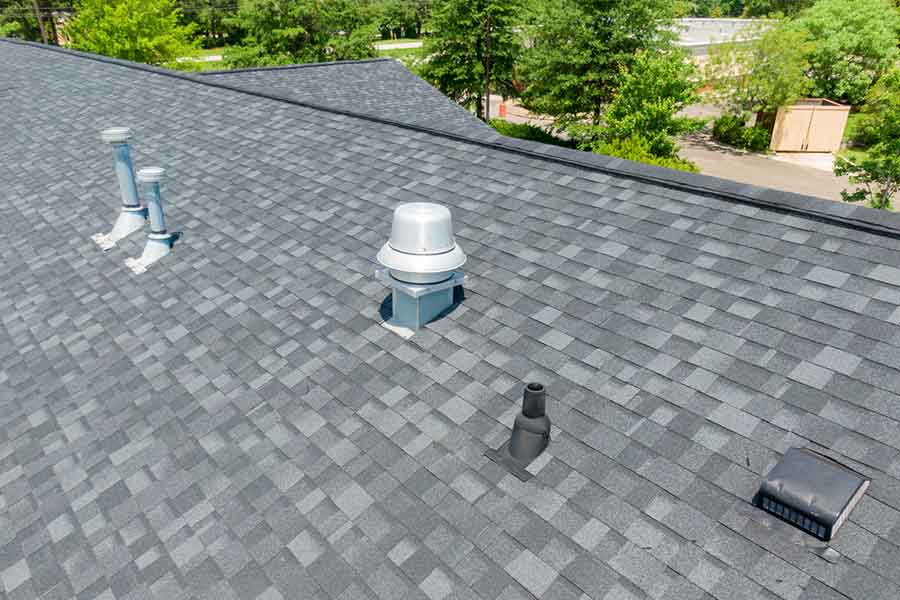
Plumbing systems rely on a network of vent pipes that extend through the roof.
These equalize pressure and allow sewer gases to escape safely outdoors.
Vent pipes are critical for the proper functioning of your drains and toilets.
They’re sealed with a rubber or metal boot, known as flashing, where they exit the roof to prevent water intrusion.
Exposure to the elements, UV radiation, and temperature extremes causes these vent boots to crack or warp over time.
When that happens, water easily seeps down the exterior of the vent pipe, bypassing the roof’s primary defense.
That water travels directly into the attic and down into the wall cavities where your plumbing is housed.
A leaking vent boot causes two types of damage worth knowing about.
First, it introduces moisture into the structural framing and insulation, leading to rot and mold growth.
Second, water infiltrating the vent pipe itself disrupts the pressure balance within the plumbing system.
Slow drains, gurgling toilets, and the dangerous backup of sewer gases into your living space often follow.
The Weight of Water: Structural Stress
Water is heavy. A single gallon weighs approximately 8.34 lbs.
The added weight places serious stress on the structural components of your house when a roof leak allows water to accumulate in the attic insulation or pool on the drywall ceiling.
Joists sag and framing shifts as a result.
Plumbing systems are designed with precise slopes and secure mountings to ensure proper drainage and prevent undue stress on joints.
Shifting structures pull pipes out of alignment, and that misalignment strains the connections between pipes, leading to cracked joints, broken seals, and sudden leaks.
Shifting framing can also pinch softer plumbing materials like PEX or PVC piping, restricting water flow or causing complete blockages.
The structural damage caused by a roof leak fundamentally undermines the physical support system that keeps your plumbing network intact.
Mold, Mildew, and the Health of Your Home
Where there’s chronic moisture, mold and mildew are sure to follow.
A persistent roof leak creates the perfect dark, damp environment in attics and wall cavities for mold spores to thrive.
As mold colonies grow, they consume organic materials like wood framing and drywall paper, which further weakens the structure around the plumbing system.
The presence of mold poses a real health risk to everyone in the home, worsening allergies and respiratory issues.
The impact on your plumbing system is equally concerning.
The acidic byproducts of certain types of mold and the constant dampness accelerate the breakdown of pipe insulation over time.
Beyond the structural and health concerns, mold is genuinely destructive to the interior of your home.
It stains walls, damages paint finishes, ruins drywall, and can work its way into cabinetry, flooring, and trim, all the surfaces that make your home look and feel the way you want it to.
I think that’s the part that hits hardest for most homeowners: the damage you can see every day in your own living space.
Addressing the mold issue means eliminating the moisture source and thoroughly drying the affected areas.
For homeowners dealing with similar moisture problems in Bristol, Tennessee, Conrad’s Water & Fire provides water damage restoration services, including moisture assessment, water extraction, structural drying, and mold remediation to help address damage before interior repairs begin.
If the mold has heavily infested the areas surrounding the plumbing, removing and replacing significant portions of drywall and insulation may be necessary to safely access and repair the plumbing behind it.
How Roof Leaks Quietly Ruin Your Interior
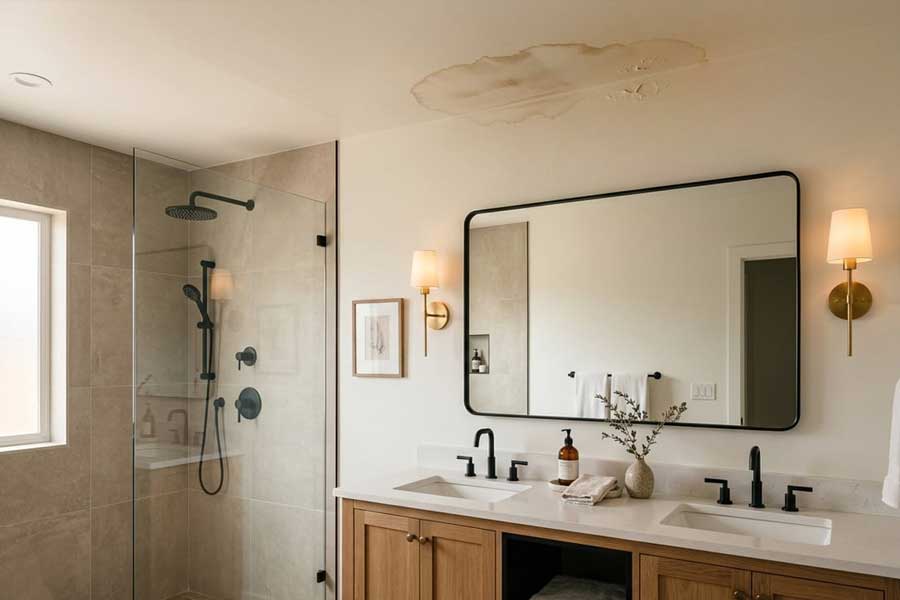
It’s easy to think of a roof leak as an outside problem, but the damage almost always shows up inside your home first.
Those early signs: a water stain spreading across a painted ceiling, bubbling wallpaper, a soft spot appearing in hardwood flooring, or a persistent musty smell in a room you’ve worked hard to make beautiful, are your home telling you something is wrong behind the walls.
I’ve found that homeowners who love their interiors tend to catch leaks earlier simply because they notice when something looks off.
A yellowing patch on a freshly painted ceiling or a warped baseboard near an exterior wall isn’t just an eyesore.
It’s a signal worth taking seriously.
The good news is that once the leak is repaired and the damage is addressed, you have a real opportunity to refresh the affected space.
Repainting a ceiling, replacing damaged trim, or refinishing a section of flooring can bring a room back to life and sometimes even improve on what was there before.
Prevention: Taking a Whole-Home Approach
A proactive approach to home maintenance is your best defense against the cascading damage caused by roof leaks.
I’d encourage you to stop thinking of the roof and the plumbing as entirely separate systems.
Protecting the building envelope is the first step in protecting everything inside it, including the rooms and finishes you’ve put so much care into.
Regular roof inspections matter more than most people realize.
You should visually inspect your roof for missing, damaged, or curling shingles at least once a year.
Pay close attention to the flashing around chimneys, skylights, and plumbing vents, as these are the most common failure points.
Investing in high-quality roofing supplies during repairs or replacements extends the life of your roof and gives you better protection against water intrusion.
You should also regularly check your attic for signs of moisture, like water stains on the underside of the roof deck or a musty smell.
Catching a leak early is the most effective way to keep a minor roofing issue from turning into a major plumbing problem.
Turning Repairs into a Chance to Refresh Your Space
Maintaining your home’s structural integrity doesn’t mean sacrificing how it looks.
Many aspects of home improvement blend functional repairs with real visual upgrades.
When water damage has affected your interior walls or ceilings, you have a natural opportunity to refresh the space entirely.
I always think it’s worth approaching repairs with a design eye.
If you’re repainting a water-damaged ceiling, consider whether the whole room could use a fresh color.
If drywall needs replacing in a hallway or bedroom, it might be the perfect moment to add a new finish, update the trim, or finally try that wallpaper you’ve been considering.
Repairs don’t have to feel like setbacks. With the right mindset, they can be the starting point for a space that looks even better than it did before.
The Real Cost of Ignoring a Leak
Ignoring a small roof leak is a gamble that rarely pays off.
The initial cost of repairing a few shingles or replacing a vent boot is small compared to the expense of remediating extensive water damage and replacing corroded plumbing.
The longer a leak is allowed to go, the more complex and costly the resulting damage becomes.
Insurance companies may deny claims for water damage if they determine the underlying cause was a neglected maintenance issue like an unaddressed roof leak.
Homeowners who don’t act quickly may find themselves fully responsible for the costs of repairing both the roof and the compromised plumbing system.
Protecting Your Home from the Outside In
The relationship between your home’s roof and its plumbing system is a good reminder of how interconnected residential construction really is.
A roof leak is never just a roofing problem. It’s a potential threat to the entire infrastructure of your house, and to the interior spaces you’ve worked hard to make comfortable and beautiful.
Understanding how water travels and the damage it causes to pipes, framing, and finishes helps you protect your investment on every level.
Vigilance is key.
Regular inspections and prompt repairs prevent the slow drip of a roof leak from turning into a much bigger disaster.
I’d always recommend consulting with qualified professionals in both roofing and plumbing to make sure all aspects of your home stay secure, dry, and working as they should.

Leave a comment