
Renovating a house is a major undertaking.
Updating a kitchen or adding a bathroom naturally draws your focus to visible improvements, and it’s easy to get caught up in selecting paint colors, choosing fixtures, and comparing hardwood flooring options.

Amidst all that planning, the structural integrity of the building itself often gets overlooked.
Ignoring underlying structural issues, especially those related to the foundation, leads to financial and safety consequences that outweigh the cost of any cosmetic upgrade.
A successful remodel requires a solid base, and consulting with experts like Bluebird CFW before starting any major project is an important first step.
Their expertise ensures the groundwork of your home is secure and gives you a stable canvas to work from.
The foundation is the most important component of any residential structure.
It bears the weight of the entire house and distributes it evenly into the ground to prevent settling.
When a foundation is compromised, the effects ripple throughout the building in ways you might not immediately connect.
Many homeowners dismiss early warning signs like hairline cracks in the drywall or doors that stick as quirks of an aging house.
In reality, these symptoms are your home telling you the foundation is under stress.
If you’re planning a remodel, incorporating a thorough inspection into your initial budget isn’t just a recommendation.
Failing to do so can turn your project into an ongoing cycle of recurring repairs and escalating costs.
The Domino Effect of Structural Neglect
Foundation problems don’t stay isolated when left unaddressed.
A shifting or sinking foundation sets off a domino effect that touches almost every other system in your home.
As the foundation moves, it puts uneven pressure on the framing, and that stress transfers to your walls, floors, and roof.
Drywall cracks under the pressure, typically around window frames and spreading diagonally as movement continues.
The framing itself can warp, causing floors to slope and doors to no longer fit squarely in their frames.
Moving forward with a cosmetic renovation without first stabilizing the foundation is a bit like building on sand.
The new materials and finishes you invest in will quickly fall victim to ongoing structural shifts.
Imagine spending tens of thousands of dollars on custom cabinetry and premium tile flooring, only to watch the cabinets pull away from the wall a few months later.
Tiles pop loose because the floor beneath them is settling.
Cracks return across your fresh paint job, and perfectly aligned doors start sticking again.
You’ll eventually have to pay for the foundation repair anyway, plus the cost of redoing all the cosmetic work the structural movement ruined.
Taking a proactive approach and addressing the foundation first protects your renovation investments and keeps your new finishes looking beautiful for years to come.
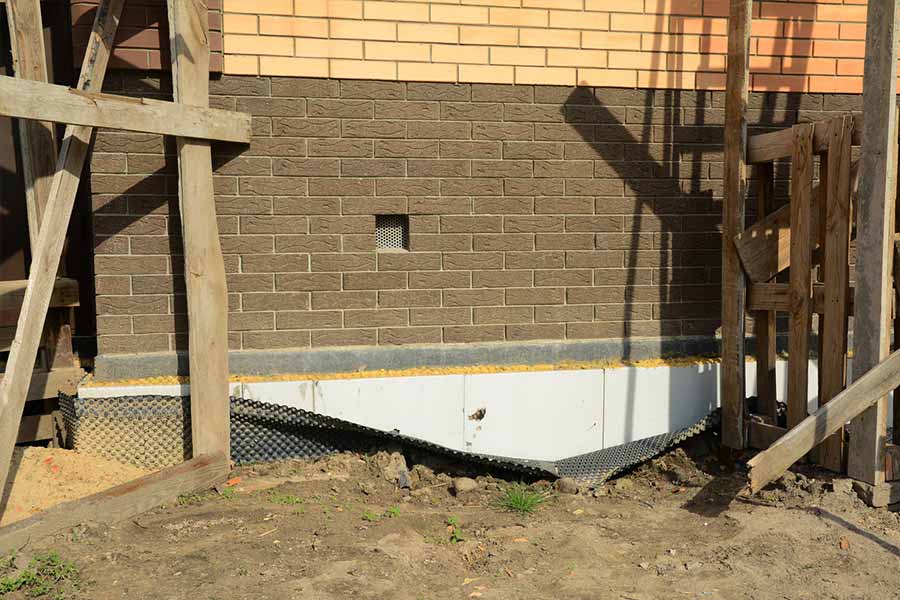
Financial Implications and Long-Term Property Value
The financial impact of unresolved foundation issues goes beyond immediate repair costs.
For most people, their home is their most significant financial asset, and a compromised foundation acts as a serious red flag to potential buyers.
When the time comes to sell, prospective buyers will conduct a thorough professional inspection.
Foundation issues are notoriously difficult to hide from a trained inspector, and their discovery can derail a sale entirely.
Even if a buyer is willing to proceed, they’ll likely use the foundation issues as leverage to negotiate a significant price reduction, often one that exceeds the actual cost of repairs.
In extreme cases, severe foundation issues can make a property difficult to finance, shrinking your pool of potential buyers and further depressing its value.
Investing in proper foundation repair before renovating or selling removes a major obstacle and ensures you can command a fair price for your home.
A certified, repaired foundation gives buyers confidence and makes your property a much more attractive listing.
Safety Concerns and Potential Hazards
The financial risks are serious, but the safety concerns are what I’d consider the most pressing reason to act.
A compromised foundation can lead to significant structural failures and pose a direct threat to everyone living inside your home.
A severely bowing or leaning basement wall is a clear sign the foundation is failing under the lateral pressure of surrounding soil.
Left unchecked, that wall could eventually collapse inward and cause serious harm.
A settling foundation can also compromise roof framing, leading to sagging or collapse.
Beyond structural risk, foundation issues create conditions that invite other problems into your home.
Water intrusion through foundation cracks creates persistent moisture that breeds mold and mildew, which can spread through your HVAC system and seriously affect your indoor air quality.
Damp crawl spaces and basements also attract termites, carpenter ants, and rodents, all of which cause additional damage to framing and wiring.
Addressing foundation problems promptly protects your family’s health and eliminates these secondary risks before they take hold.
The Role of Soil in Foundation Health
In most cases, the root of a foundation problem lies not in the concrete itself, but in the soil beneath it.
Expansive clay soil is one of the most common culprits.
It acts like a sponge, expanding when wet and exerting upward pressure on the foundation, then shrinking during dry periods and pulling away from the base of the house.
This constant cycle of expansion and contraction places serious stress on the concrete over time.
Poor drainage around the home makes things worse.
If the grading around your house doesn’t slope away from the foundation, rainwater pools at the base and increases pressure against the foundation walls.
Ensuring proper drainage through gutters, downspout extensions, and correct grading is one of the most effective preventative steps you can take.
The Role of Professional Inspections in Renovation Planning
I can’t stress enough how important a professional inspection is before any renovation begins.
The signs of foundation distress can be subtle and easy to misread without the right training.
What looks like a simple drywall crack from seasonal humidity could actually be a symptom of significant differential settlement.
A structural engineer or certified foundation repair specialist has the education, experience, and tools to accurately diagnose the problem and recommend the right fix.
A structural engineer or certified foundation repair specialist has the education, experience, and tools to accurately diagnose the problem and recommend the right fix.
For homeowners planning major renovations or purchasing an older property, arranging a building and pest inspection can also help identify structural concerns, moisture issues, and other defects before they develop into more extensive and costly repairs.
Their assessment gives you a clear roadmap for repairs and lets you build those costs into your renovation budget before any surprises surface mid-project.
In many areas, a report from a structural engineer is also required to obtain building permits for your renovation, making the inspection a practical necessity as much as a smart one.
How Landscaping Affects Your Foundation
It’s easy to focus entirely on the structure itself, but what’s growing around your home matters more than most people realize.
Large trees planted too close to the house can draw significant moisture from the soil beneath the foundation during dry periods, causing the soil to shrink and the foundation to settle.
Invasive root systems can also put direct physical pressure on foundation walls, leading to cracks over time.
As a general rule, I’d recommend planting large trees at a distance of at least half their mature height away from the foundation.
The ground around your home should slope away from the foundation at a rate of at least six inches over the first ten feet.
Keeping gutters clean and using downspout extensions to discharge water at least five feet from the foundation are small habits that make a real difference.
Thoughtful landscaping isn’t just good for curb appeal. It’s one of the best ways to protect your foundation long-term.
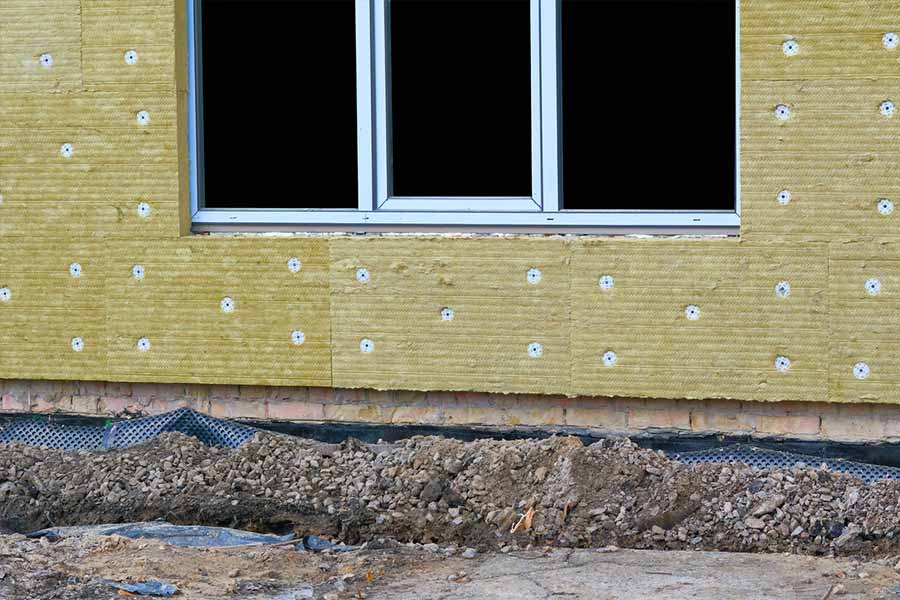
Integrating Foundation Work into Your Renovation
Given everything I’ve covered, the takeaway is straightforward: a comprehensive foundation assessment should be the very first step in any major renovation, completed before demolition begins or a single material is purchased.
If repairs are needed, they must be fully completed and stabilized before any cosmetic work starts.
Common solutions include steel or helical piers to address settling, carbon fiber straps or wall anchors for bowing basement walls, and polyurethane foam injection to fill voids and stabilize concrete slabs.
These repairs should only be handled by experienced, licensed contractors.
Once your foundation is secure, you can move forward with your renovation with real confidence.
You can invest in the finishes, the fixtures, and the design details you love without worrying they’ll be undone by a shifting structure beneath them.
Some renovation projects can even be designed to work alongside foundation improvements.
If you’re finishing a basement, that’s the perfect time to address moisture issues, install drainage, and reinforce walls before the drywall and flooring go in.
For more inspiration on how to bring beauty and function together in your newly renovated home, you can explore various home decor ideas that can enhance your newly renovated home while respecting its structural needs.
Why a Strong Foundation Makes Every Room Better
Every beautiful room in your home, whether it’s a freshly painted living room, a spa-like primary bath, or a dream kitchen, depends on a stable structure beneath it.
The hidden costs of ignoring foundation problems are simply too great to overlook.
There’s the compounding cost of repairing secondary damage and ruined finishes.
There’s the drop in long-term property value and the safety risks to your family.
A lasting renovation has to start from the ground up.
Prioritize the structural integrity of your home first, and everything you layer on top of it, the colors, the finishes, the design choices that make a space feel like yours, will have the solid foundation it needs to last.
Always make a comprehensive foundation assessment a mandatory first step in any remodeling project, regardless of size or scope.
Invest in the unseen, and the seen will flourish.
Leave a comment