
There’s something about an older home that pulls you in right away.
Maybe it’s the original hardwood floors, the arched doorways, or a clawfoot tub sitting under a sunny window.
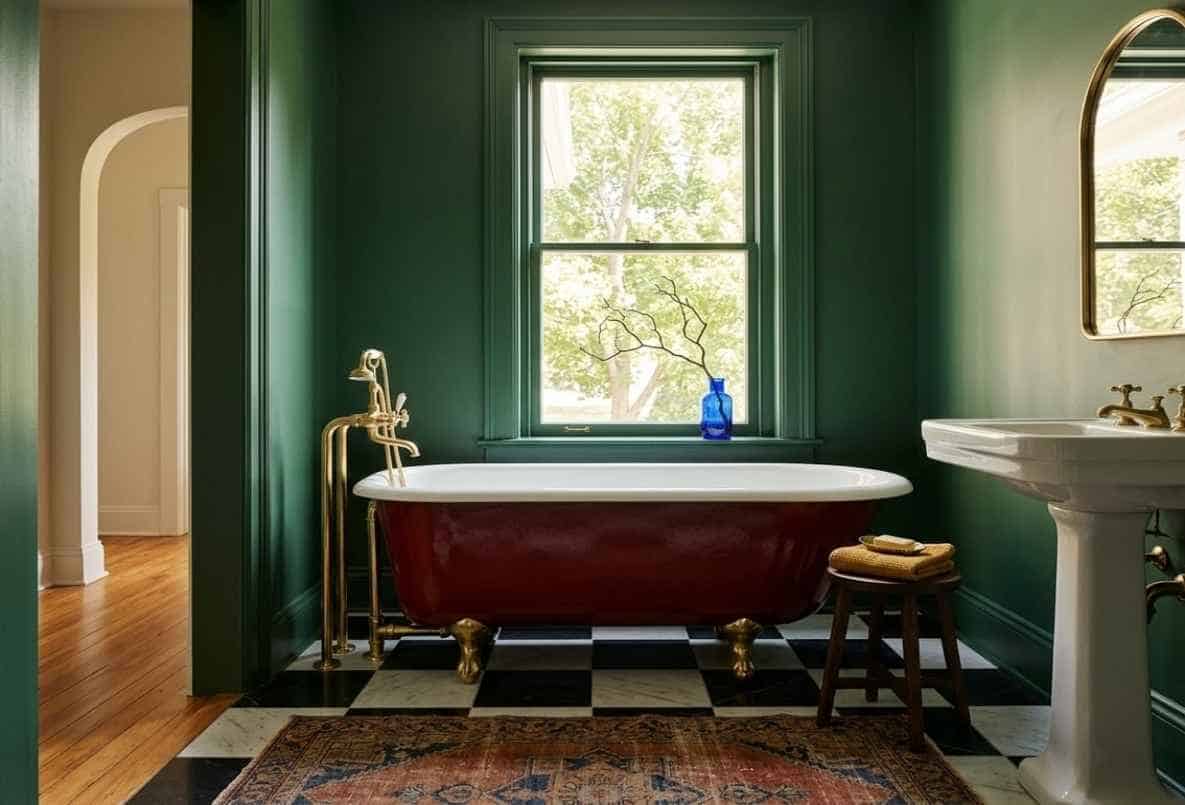
I’ve walked into homes like that and started picturing where the bookshelves would go before I’d even seen the kitchen.
That feeling is worth listening to, but it’s also worth pairing with a little homework.
The pipes, drains, and water heater behind those pretty walls can tell a very different story than the vintage tile does.
Knowing what to check helps you protect the character you love and keep more of your budget for the fun parts of making the house yours.
Know What Era Your Pipes Come From
The age of a home gives you your first clue about what’s running behind the walls and under the floors.
Homes built before the 1970s often have galvanized steel water lines, which can rust from the inside over time.
That rust slowly narrows the pipe, so you may notice weak water pressure or brownish water when a faucet first turns on.
Many older homes also have cast iron drain lines, which can crack or corrode after decades of use.
Homes built from the late 1970s into the mid-1990s may have polybutylene pipe, a gray plastic line known for failing without much warning.
Very old homes may even have lead service lines or lead solder, which is something I’d always want confirmed before move-in.
You don’t need to become a plumbing expert to spot these.
Just ask the seller or agent what the pipes are made of and when they were last updated.
If nobody knows, that’s useful information too, and it tells you an inspection matters even more.
Look for Clues during Your Showing
I like to treat a showing as a chance to look past the staging and notice how the house actually works.
Turn on the faucets in the kitchen and bathrooms, and let them run for a minute.
Watch the water pressure, listen for clanking or sputtering, and check whether the water runs clear.
Flush the toilets and see how quickly they drain and refill.
Open the cabinet under each sink and look for water stains, warped wood, or a musty smell.
Glance up at the ceilings below bathrooms, since faded brown rings there often point to an old or ongoing leak.
Fresh paint on just one patch of ceiling is worth a polite question too.
Head to the basement or crawl space if there is one, and look at the exposed pipes for rust, green crust, or patched sections.
Take a peek at the water heater and look for a date on its label, since most tank models last about 8 to 12 years.
These small checks only take a few minutes, and they give you smart questions to bring to your inspector.
Why a Sewer Camera Inspection Is Worth It
A standard home inspection is a great start, but it usually doesn’t include a look inside the main sewer line.
That line runs underground from your house to the street, and in older neighborhoods it’s often made of clay or cast iron.
Clay pipes have joints every few feet, and tree roots love to find their way into them.
Mature trees are part of what makes older streets feel so lovely, but those same roots can crack, block, or shift your sewer line.
A sewer camera inspection sends a small camera through the line so you can see its real condition on a screen.
It usually costs a few hundred dollars, which feels small next to a sewer line replacement that can run into the thousands.
In my opinion, this is one of the best investments you can make before buying an older home.
Call In a Pro Who Knows Older Homes
Plumbers who work on established homes see the same patterns again and again.
Calling in a skilled plumber Caboolture homeowners and investors trust for an inspection on an older home typically reveals a mix of well-kept systems, patchy past repairs, and pipes nobody has touched since the house was built.
Sorting out which is which is really the whole point of the inspection.
When you’re hiring someone, ask whether they have experience with homes from your house’s era.
Someone familiar with older materials will know where to look and which issues are urgent versus ones you can plan for later.
Ask for photos or video of anything they find, so you can share it with your agent and use it during negotiations.
Ask about Past Repairs and Permits
Older homes have usually been through several owners, and each one may have made their own updates.
Some of those updates were done beautifully, while others were quick weekend fixes.
I’d ask the seller for any records of plumbing work, water heater replacements, or remodels.
You can also check with your local building department to see whether permits were pulled for major projects.
A bathroom that was remodeled without permits might look stunning, but it may hide shortcuts behind the tile.
Knowing the history helps you understand what you’re really buying and what might need attention soon.
Protect the Character You Love
Here’s the good news for anyone who loves vintage charm.
Finding plumbing issues doesn’t mean you have to lose the features that drew you to the house.
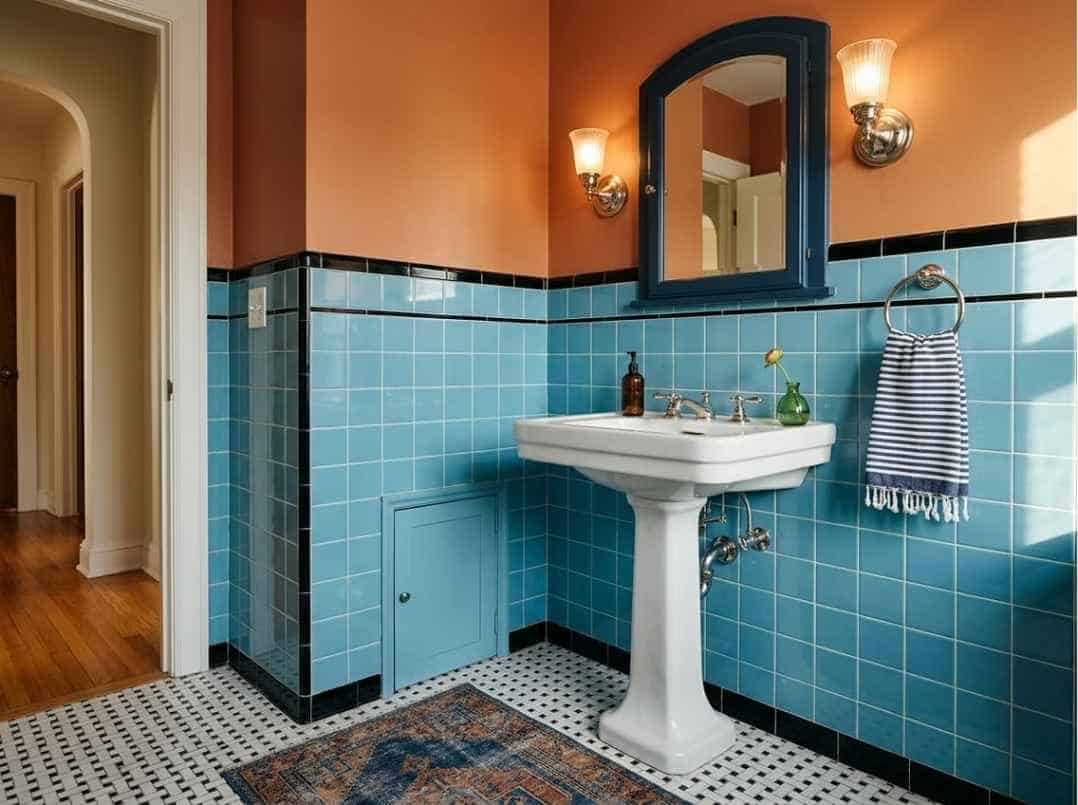
A clawfoot tub can often stay right where it is with new supply lines and a fresh drain.
Original pedestal sinks can be reconnected with updated fittings that look right at home.
Vintage tile can usually be kept when a plumber works through an access panel or a nearby wall instead of the tiled surface.
Talk with your plumber early about which pieces matter most to you, so they can plan repairs around them.
I think this is where an older home really becomes yours, when you keep the soul of the place while making it safe and comfortable for everyday life.
That combination is what makes guests linger in your bathroom admiring the tile instead of noticing a slow drain.
Budget for What’s behind the Walls
It’s easy to plan your budget around paint colors, light fixtures, and a new sofa for the living room.
With an older home, I’d set aside a cushion for repairs you can’t see yet.
Many homeowners plan for at least 1 to 3 percent of the home’s value each year for maintenance and repairs.
If your inspection turns up major plumbing work, you may be able to negotiate a lower price or ask the seller to handle repairs before closing.
Fixing the big things first also protects your decorating plans.
New hardwood or a freshly painted ceiling won’t last long if there’s a leak waiting above it.
Fall for the Charm with Confidence
Loving an older home is one of the most rewarding choices you can make.
Those creaky stairs, deep window sills, and handmade details carry stories you just can’t buy in a new build.
A little checking before you commit lets you enjoy all of that without surprise repairs stealing your joy or your budget.
Run the faucets, look under the sinks, book a sewer camera inspection, and ask good questions.
Then you can settle in, hang your favorite art, and enjoy a home that’s as sound as it is beautiful.

Leave a comment