
Lighting can change a room faster than new furniture, fresh paint, or another set of cushions.
A good lamp, a warmer bulb, or a better-placed ceiling fixture can make a space feel calm, expensive, and lived-in, while poor lighting can make even thoughtful decor look flat.
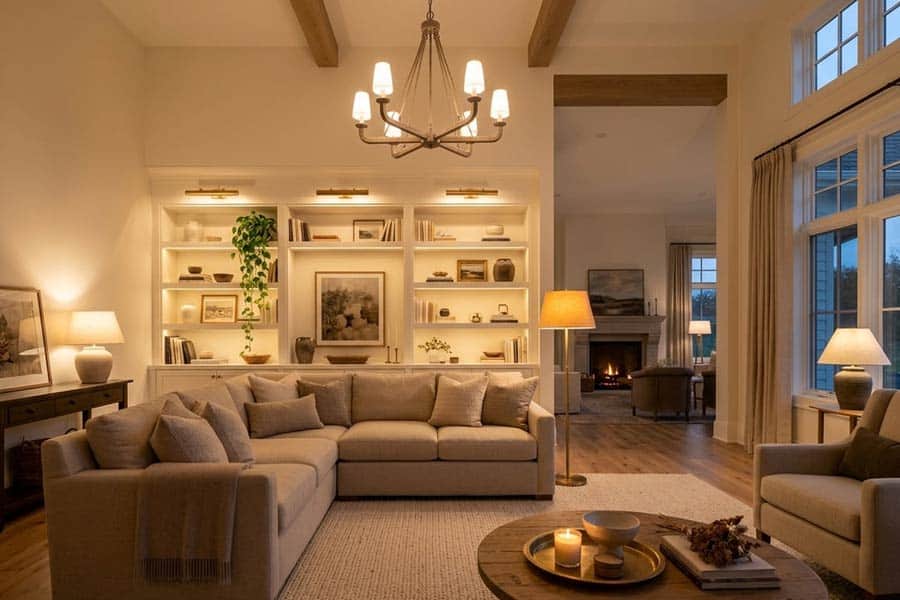
That’s why electrical planning should be part of home design early, especially in older houses where outlets, switches, and ceiling fixtures weren’t always placed for the way people actually live.
Start with How the Room Is Actually Used
Before buying a fixture, it helps to think about the room on a normal day.
A living room may need soft evening light, a brighter corner for reading, and enough glow for people to move around without turning on one harsh overhead bulb.
Bedrooms are different.
They usually benefit from gentle bedside lighting, a clear path to the closet, and switches that don’t make the room feel like a hallway.
Home offices need light that works with screens, not against them.
A long, even light source does this better than a single pendant.
Fittings that use linear LED lighting spread light along the whole desk without hot spots or glare, and some designs now build in sound absorbing panels as well, which helps in rooms with hard floors and bare walls.
Why Switch and Outlet Placement Matters
There’s nothing stylish about an extension cord running across a room because the only outlet is behind the sofa.
There’s also nothing convenient about walking across a dark bedroom to turn off a light.
These details are easy to ignore until the furniture is in place, and I’d say that’s exactly when most people wish they’d thought about it sooner.
This is where planning with the floor layout really matters.
If your reading chair will sit in one corner, that corner needs power.
If your bed moves to another wall, the lamps and switches need to make sense there too.
For homeowners working through a remodel or decor upgrade in Lanark County, checking Electricians in Perth, ON can be useful when the project moves beyond lamps and into wiring, fixture relocation, or safer outlet placement.
Layered Lighting Makes Decor Look Intentional
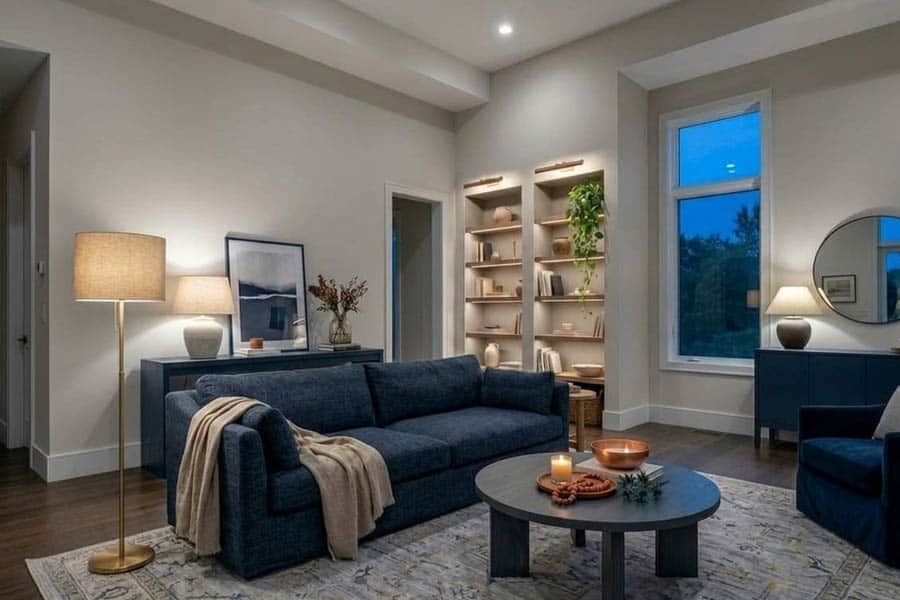
Rooms usually feel better when they have more than one kind of light.
Designers often talk about ambient, task, and accent lighting, but the idea is easy to understand without fancy terms.
One layer fills the room, one helps with specific activities, and one adds mood or highlights something worth noticing.
A cozy room might include:
- a ceiling fixture or recessed lights for general brightness
- a floor lamp beside a chair
- under-cabinet lighting in a kitchen
- wall sconces near a bed or hallway
- a small lamp on a console table
- picture lighting above art or shelves
I’ve found that even adding just one or two of these layers can completely change how a room feels in the evening.
Decor Choices That May Need Electrical Help
Some updates are simple.
Changing a lampshade, using warmer bulbs, or adding a plug-in wall sconce may not require any work behind the wall.
Other changes shouldn’t be treated like weekend guesswork, especially in older homes.
| Decor Idea | Why Planning Matters |
| Moving a dining room light | The fixture should line up with the table, not the old ceiling box |
| Adding sconces | Wall placement, wiring, and switch location affect the finished look |
| Installing under-cabinet lights | Clean installation usually looks better than visible cords |
| Updating bathroom lighting | Moisture, placement, and brightness all matter |
| Adding outdoor lights | Weather exposure and safety need proper attention |
A Small Lighting Story from a Real Home Project
A homeowner once spent months trying to make a narrow sitting room feel warmer.
The rug was right.
The wall color was soft.
The shelves were styled nicely.
Still, the room felt unfinished every evening.
The problem wasn’t the furniture.
It was the light.
The only overhead fixture sat in the center of the ceiling and threw a flat glow across everything.
Once a floor lamp was added near the sofa, a small table lamp went beside the bookshelves, and the ceiling fixture was put on a dimmer, the room finally made sense.
Nothing expensive changed.
The room simply stopped feeling like it had one setting.
I think about this story often when I’m looking at a space that feels almost right but not quite there yet.
How to Plan Lighting Before Buying More Decor
Before adding another chair, mirror, or piece of art, walk through your room in the evening and notice where the shadows fall.
Sit where people actually sit.
Try to read.
Open a cabinet.
Stand at the counter.
Look in the mirror.
The weak spots will show themselves.
A simple process I’d recommend:
- Decide what each area of the room needs to do.
- Mark where lamps, fixtures, and switches would make your life easier.
- Choose bulb warmth before judging paint or fabric.
- Add dimmers where the room changes mood throughout the day.
The Detail That Ties a Beautiful Room Together
Lighting is one of the most practical design tools in your home.
It makes colors softer, textures clearer, corners more useful, and everyday routines easier.
A room doesn’t need expensive fixtures to feel finished, but it does need light that matches how you actually live there.
Lighting works best when it’s planned while the room is still taking shape, not after the rug, sofa, paint, and shelves are already in place.
The switch by the door, the outlet beside your chair, the bulb over the table, and the small lamp in the corner all change how the room feels at night.
When those details come together, the space stops looking like it was simply decorated and starts feeling like a room you actually want to be in.

Leave a comment