
Not every home renovation delivers a genuine return, and it’s easy to sink money into upgrades that look impressive but do little for your daily running costs or your property’s long term value.
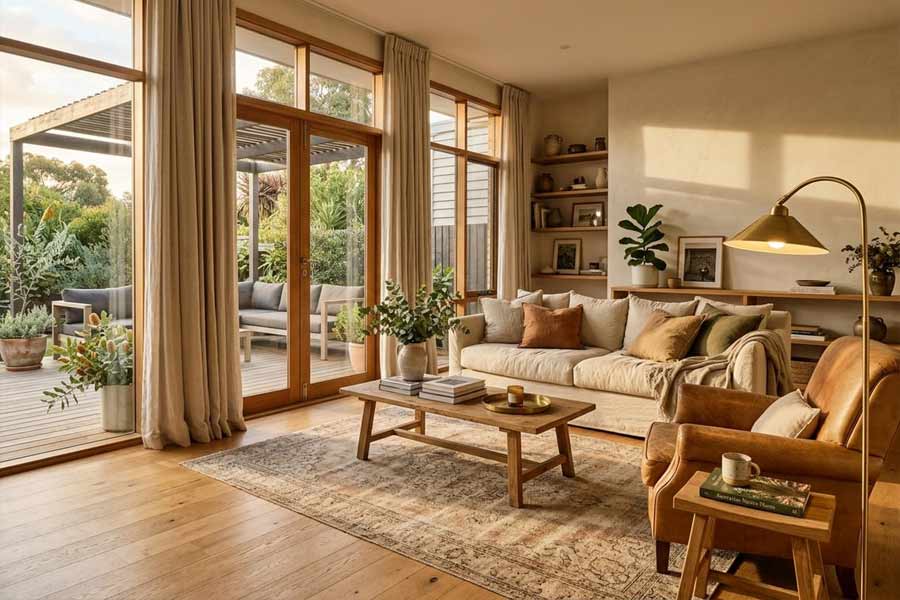
I’ve noticed the upgrades that hold their value are usually the ones that make a home feel better to live in, not just better to photograph.
Voltx energy works with homeowners every day who are weighing up exactly this question, so here are seven upgrades that consistently pay off, both in comfort and in the numbers.
1. Solar Panels Paired with Battery Storage
Rooftop solar has been a sound investment for Australian homeowners for years, but pairing it with battery storage is what turns a good upgrade into a genuinely excellent one.
Storing your excess solar generation for use in the evening, rather than exporting it to the grid for a modest feed in tariff, meaningfully increases how much value your household gets from its system.
There’s a quieter benefit too, since evening is when your home does its best work.
Lamps glowing in the corners, the kitchen warm while you cook, the heating on without you flinching at the cost.
A battery lets you light your rooms the way you actually want them lit rather than rationing the mood to save a few dollars.
Choice’s battery storage buying guide is a useful independent resource for understanding what to look for before committing to a specific battery, since not all systems are built or warrantied equally.
2. Ceiling and Wall Insulation
Insulation rarely gets the attention it deserves, mostly because it’s invisible once installed, but it’s one of the most cost effective upgrades you can make for reducing both heating and cooling costs.
A well insulated home holds its temperature far more effectively, which reduces strain on your air conditioning and heating systems and can noticeably lower your energy bills across every season rather than just one.
I’d also point out what it does for the feel of your rooms.
Cold spots are the reason so many beautifully furnished homes end up with one armchair nobody ever sits in.
When the temperature stays even, your whole floor plan becomes usable, and that reading nook by the window finally earns its place.
3. A Well Planned Kitchen Renovation
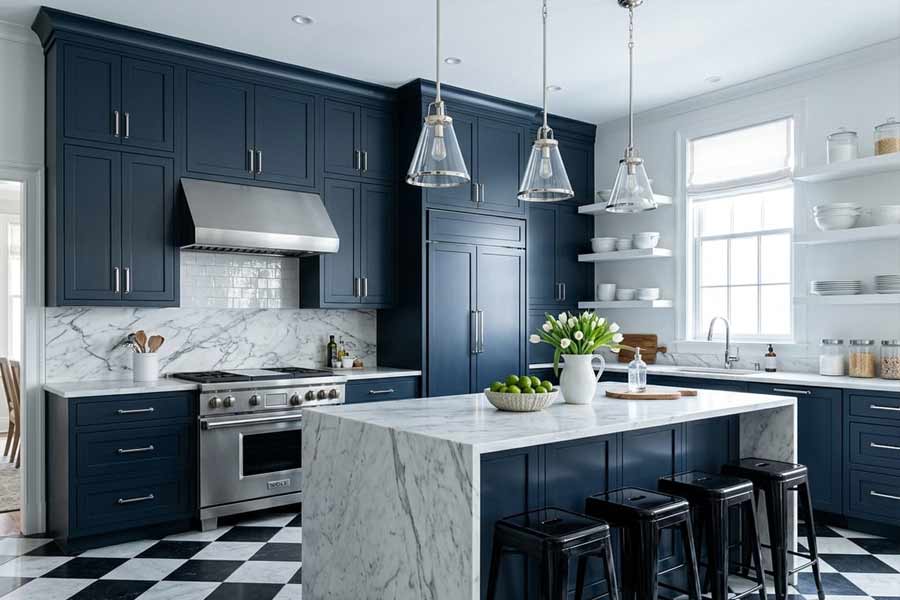
Kitchens remain one of the strongest value adding renovations you can undertake, provided you plan the renovation sensibly rather than chasing trends that may date quickly.
Durable materials, sensible storage and a layout that suits how your household actually cooks and entertains tend to deliver a far stronger return than an ultra premium finish that puts appearance ahead of function.
The kitchens I find most beautiful are the ones that hold up to being used hard.
Honed stone that hides a water ring, timber that softens with age, and open shelving you actually keep stocked with the bowls and boards you reach for.
Warmth in a kitchen comes from evidence of use, not from a finish so precious you’re nervous around it.
4. Water Efficient Fixtures
Swapping older taps, showerheads and toilets for water efficient alternatives is a relatively low cost upgrade that pays off through reduced water bills over time, particularly in areas where water pricing has climbed in recent years.
It also needs minimal disruption compared to a full renovation, making it an easy first step if you want to improve efficiency without a major project.
Since you’re changing them anyway, I’d treat it as a finish decision as much as a plumbing one.
A brushed brass or matte black tap costs little more than a basic chrome one and does more for a tired bathroom than most people expect.
5. Double Glazed or Upgraded Windows
Older single glazed windows are a significant source of heat loss in winter and heat gain in summer, undermining the efficiency of even a well insulated home.
Upgrading to double glazing, or at minimum adding quality window coverings and draught sealing, can meaningfully improve your comfort and reduce the load on your heating and cooling systems, particularly in homes exposed to big temperature swings.
Window coverings are where efficiency and decorating overlap most happily.
Lined linen curtains hung high and wide will soften a room, absorb noise and hold warmth all at once, which is rare for a single decision.
Quieter windows also change how a home sounds, and that stillness is a big part of why some houses feel calm the moment you walk in.
6. Practical Outdoor Living Space

A well designed outdoor area, whether it’s a deck, alfresco space or simply a well kept garden, consistently ranks highly with buyers and adds genuine liveable space to your property without the cost of a full extension.
The key is practicality over spectacle.
A space that gets used regularly tends to add more perceived value than an elaborate feature that looks good in photos but rarely gets enjoyed day to day.
What makes an outdoor room get used is comfort, so I’d spend on the things that invite people to stay.
Deep seating, an outdoor rug, a bit of shade and soft lighting overhead will do more for your evenings than an extra few metres of decking.
7. Smart Home Battery Monitoring and Energy Management
Beyond the physical battery hardware itself, the software and monitoring systems that manage how your home uses stored solar energy are becoming an upgrade in their own right.
Systems that intelligently shift usage, such as running appliances during peak solar generation or drawing from the battery during expensive grid periods, get considerably more value from your existing solar and battery setup without asking you to buy more hardware.
I like what this does for the look of a home too, since it takes the decision making off your walls.
Fewer timers, switches and reminder notes stuck around the house, and more of that visual quiet that makes a well kept home feel effortless.
The Australian Renewable Energy Agency’s overview of battery storage provides useful context on how storage technology and management systems are changing across the broader Australian market.
Prioritizing Which Upgrade to Tackle First
With a limited renovation budget, it makes sense to prioritize the upgrades that address your biggest inefficiencies first.
A poorly insulated home with an outdated solar setup will generally see more benefit from tackling insulation and battery storage before you move on to cosmetic renovations, since the ongoing savings from these upgrades compound over years of ownership.
Kitchens and outdoor spaces matter for resale appeal and daily enjoyment, but they should generally follow rather than precede the upgrades that reduce your household’s actual running costs.
There’s a practical reason for that order beyond the money.
Insulation and glazing work usually means patched plaster and disturbed trim, and you don’t want that happening after you’ve painted and styled the room.
Getting Proper Advice before You Commit
Every home is different, and the upgrades that pay off best depend on things like your climate, your existing systems and how long you plan to stay in the property.
Getting a proper assessment from a qualified professional, rather than assuming a generic list applies equally to every home, helps make sure your renovation budget goes toward the upgrades that genuinely deliver a return rather than ones that simply look good on the surface.
I’d bring your longer term plans for the house into that conversation as well.
Knowing where you eventually want a window seat or a pendant saves you paying twice when the wiring and framing are already open.
Sequencing Upgrades to Spread the Cost
Few homeowners can tackle all seven of these upgrades at once, and that’s perfectly fine, provided you sequence them sensibly rather than starting wherever happens to be most convenient.
Tackling insulation and solar and battery storage first tends to deliver the fastest and most consistent ongoing savings, which can then help fund later stages such as a kitchen renovation or outdoor living upgrade.
Spreading your renovation plan over several years, rather than rushing everything into a single project, also gives you time to properly research each decision rather than settling for whatever option is available under time pressure.
Slower renovations tend to produce better looking homes anyway.
You end up choosing pieces you actually love rather than filling rooms in a hurry, and that’s usually the difference between a house that looks decorated and one that looks like you.
What Actually Holds Its Value over Time
The upgrades that pay off best tend to be the ones that quietly reduce your running costs year after year, rather than the ones that make the biggest visual impression.
Solar and battery storage, insulation and water efficiency sit alongside sensibly planned kitchens and outdoor spaces as upgrades that consistently deliver value, both in daily comfort and in long term financial return, making them worth putting ahead of purely cosmetic projects.
Get those right and everything you do decoratively afterward lands better, because a warm, quiet, well run home is the backdrop that makes the rest of your choices sing.

Leave a comment