
In winter, when a thick blanket of snow covers your roof, you may think that there should be no issues with snow.
However, problems arise when interior heat melts parts of the snow.

Snowmelt then flows toward the eave, where it freezes and becomes an ice dam.
Ice dams damage the roof and, more seriously, cause the roof to leak into the interior of the structure.
I’ve seen that kind of leak ruin a freshly painted ceiling and a favorite rug in a single weekend.
So, attic insulation doesn’t just keep you comfortable.
Good insulation helps reduce the amount of heat reaching your roof.
If you’re considering AI Greenhome attic insulation services, I’d take into account the entire attic system: insulation, air sealing, and ventilation, since each element affects how your attic performs during wintertime.
It’s the least glamorous project in your house, and it quietly protects every room you’ve worked hard to make beautiful.
What Causes Ice Dams to Form on a Roof?
Temperature differences on your roof cause ice dams.
Heat inside the building warms the roof surface.
The water then melts in the warmed area while remaining frozen in other parts of the eave.
As the melting water moves down, it freezes again when it hits the colder part of the roof or eave.
This eventually forms the dam.
That’s why snow on your roof alone isn’t necessarily the problem.
The bigger issue is uneven roof temperatures caused by heat loss and weather conditions.
I think of it the same way I think of a drafty room.
The temperature swings you feel between your cozy living room and that one cold corner are the same swings showing up on your roofline.
What Problems Can Ice Dams Cause?
After an ice dam forms, there’s little space for water to flow into.
The water could eventually penetrate your roof and reach the ceiling, walls, insulation, and more.
Problems that could result from these include:
- Stains and damage to your ceilings or walls
- Damp or compressed insulation
- Damaged roofing and gutters
- Mold growth if the moisture isn’t able to drain
- Peeling paint
Look at that list again and you’ll notice most of it is decor damage.
Water stains bleed through the exact ceiling color you agonized over, and peeling paint undoes a room you may have just finished.
You should handle ice dams before they form, since water trapped behind one may lead to damage.
I’d rather spend a fall afternoon in the attic than a February weekend moving furniture away from a drip.
How Does Attic Insulation Stop Ice Dams?
The goal of attic insulation here is to slow down heat flow between your heated interior space and the roof.
By sending less heated air to the roof deck, your roof becomes less prone to developing the hotspots that cause snow to melt unevenly.
Attic insulation doesn’t freeze your roof or remove an existing ice dam by itself.
It’s one part of a process aimed at keeping heat where it belongs.
If you’re aiming to protect your home from ice dams, the condition of your insulation really matters.
When attic insulation is missing in spots, thin, or compressed, you’ll still lose heat despite having it up there.
There’s a nice side effect I don’t hear people mention enough.
Holding heat where you actually live means your sofa by the window and your seat at the dining table stay genuinely comfortable, so you use those rooms instead of avoiding them all winter.
Why Is Air Sealing Important for Ice Dam Prevention?
Air sealing and insulation are similar but distinct.
Air sealing prevents heated air from entering your attic, while insulation acts as a barrier to heat transfer.
Warm air escapes through plumbing, recessed lighting, wiring, and even your attic access door.
Your roof warms when enough heated air accumulates in the attic.
So I wouldn’t treat insulation as a standalone fix for ice dams.
Sealing the major air leaks in your attic first will improve how your insulation performs and help hold steady attic temperatures.
Those recessed lights are worth a second look.
The fixtures you chose to wash light across your walls and art are often the same ones quietly leaking warm air upward.
Work with the Insulation: How Attic Ventilation Functions
The right type of attic ventilation can regulate both moisture and heat.
There are two ways to ventilate your attic: ventilation at the bottom of the roof and ventilation at the ridge.
Ventilation isn’t a substitute for insulation or air sealing.
With warm indoor air constantly finding its way into your attic, ventilation alone won’t do.
Likewise, blocking existing ventilation with insulation can create another problem.
During an attic upgrade, your insulation plan should preserve the intended airflow paths where the roof assembly needs them.
This is another reason I’d plan attic insulation for ice dams as part of the whole attic, not as simply adding more material.
Good airflow up there also keeps humidity down below.
Dry, balanced air is kinder to your wood furniture, your millwork, and the framed pieces hanging on your walls.
What Other Measures Can Help Prevent Ice Dams?
Insulation, air sealing, and ventilation form the basis of roof preparation.
Other practical tips can help you avoid roof-related issues during winter.
Here’s what I’d do before winter:
- Clear out your gutters and downspouts so water can drain off the roof efficiently.
- Check for any moisture, leaks, or poorly insulated areas in your attic.
- Inspect your roof for damaged materials.
- Watch for any unusual snow-melting patterns on your roof.
- Seal any leaks in your attic before cold weather arrives.
Your roof structure, weather, insulation level, and ventilation all affect how likely an ice dam is on your property.
Every home will need its own set of measures.
I like pairing this list with the rest of fall nesting.
The same weekend you’re swapping in heavier throws and pulling out the wool rugs is the perfect time to handle the parts of your home nobody sees.
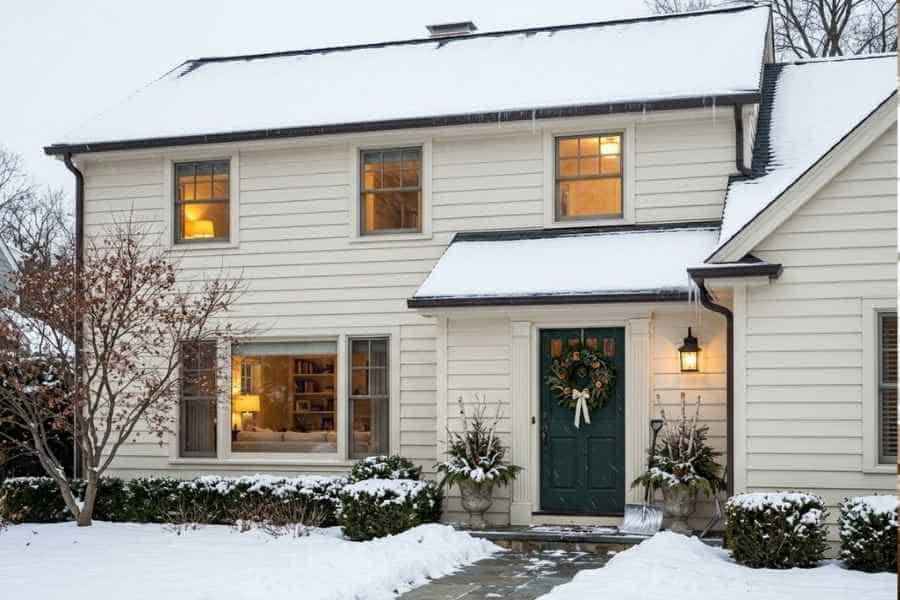
Getting Your Attic Ready before the First Snow
Ice dams are usually a symptom of uneven roof temperatures rather than simply a result of heavy snowfall.
Improving your attic will address one of the causes.
Your attic will be insulated and sealed, and that helps prevent heat transfer.
I’d get your attic ready before winter arrives, since you don’t want to face ice dam or water damage repairs in the middle of the season.
A home that holds its warmth is a home you can actually open up to people.
That’s what makes long dinners, overnight guests, and slow winter mornings feel effortless instead of apologetic.
Have you ever dealt with ice dams or improved your attic for winter?
Please share your tips for protecting your home.

Leave a comment