
Moving into a new home is such an exciting experience, especially when it comes with the chance to explore a different neighborhood and start a new chapter in your life.
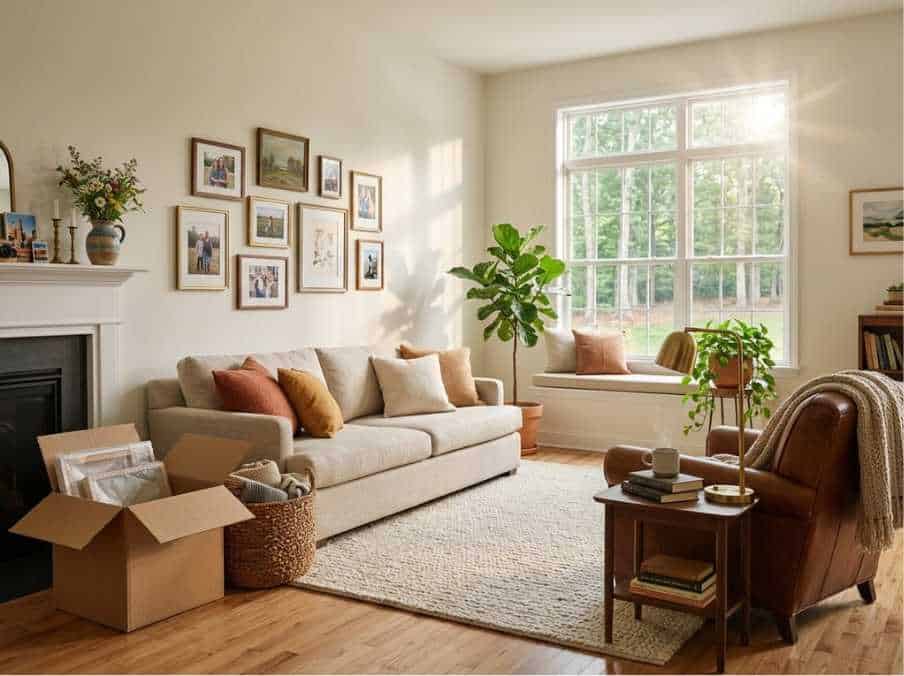
But once the excitement of moving day begins to fade and you’ve unpacked the last few boxes, you might realize that your new house still doesn’t quite feel like home.
The furniture may be in place, the kitchen might be organized, and your belongings may have found their spots, but I know something can still feel a little unfamiliar.
That’s because making a house feel like home involves more than simply arranging furniture and putting decorations on the walls.
It takes time to develop routines, get comfortable in your surroundings, and add the personal details that make a space feel welcoming.
The good news is you don’t need to spend a fortune on renovations or completely redesign every room to get that feeling.
I’ve found that home is often less about how a room looks on day one and more about the small moments, like the first cup of coffee in your favorite spot, that slowly make it yours.
If you’ve recently relocated to Howell, NJ, there are plenty of simple and practical ways to personalize your new space while you gradually settle into your surroundings.
From displaying meaningful belongings to creating comfortable areas that suit your lifestyle, I’ll share ideas that can help you turn your new house into a place that truly feels like yours.
Start with the Spaces You Use Every Day
After moving into a new home, it’s natural to want everything organized and decorated as quickly as possible.
You may find yourself thinking about new curtains, furniture arrangements, wall colors, and storage solutions all at once, but trying to finish every room right away can quickly become overwhelming.
Instead of approaching your entire house as one large decorating project, I’d focus on making the spaces you use most often comfortable and functional.
Your bedroom is often a good starting point because having a relaxing place to sleep can make adjusting to a new environment much easier.
Arrange your furniture so you can move comfortably around the room, unpack your favorite bedding, and keep everyday essentials within reach.
Familiar items such as a bedside lamp, framed photograph, or cozy blanket can also make the space feel more personal without much effort.
I think there’s something grounding about waking up to the same soft sheets and lamp glow you had before, because it tells you you’re home even when the view out the window is new.
Once your bedroom feels comfortable, move on to the kitchen and living room, where you’ll probably spend a lot of your time.
Organize your kitchen around your usual cooking habits, and arrange your living room furniture to encourage relaxation and conversation.
By making these everyday spaces practical first, you’ll create a sense of normalcy that makes the rest of the decorating process feel much more manageable.
Even something as simple as setting out your favorite mugs or a bowl of fresh fruit on the counter can make your kitchen feel ready to welcome your first guests.
Bring Familiar Pieces into Your New Surroundings
One of the easiest ways I know to make a new house feel more familiar is to surround yourself with belongings that remind you of meaningful people, places, and experiences.
Even if you’re excited about starting fresh, there’s no reason to leave behind the personal touches that made your previous home comfortable.
Family photographs, artwork you’ve collected over the years, favorite books, and souvenirs from memorable trips can all help bring a sense of familiarity into your new surroundings.
Rather than keeping these belongings packed away until you’ve finished decorating, I’d suggest displaying a few of them early in the process.
A collection of family pictures along a hallway, a favorite painting above the sofa, or a familiar decorative piece on a bookshelf can make a noticeable difference in how a room feels.
You can also mix older furniture and accessories with newer pieces to create a look that feels both fresh and personal.
For example, a comfortable chair you’ve owned for years might work beautifully beside a new side table, while a familiar rug could bring warmth to a newly decorated living room.
What I love about this is that your old pieces carry the memories of past gatherings, so your new rooms start out with a little history already woven in.
The important thing is to choose belongings that truly mean something to you rather than filling every open space with decorations.
When your home includes pieces connected to your experiences and memories, it begins to develop a character you can’t recreate just by buying matching furniture and accessories.
Let Your New Neighborhood Inspire Your Home
Relocating to a new town offers more than a change of address because it also introduces you to different surroundings, community spaces, and seasonal experiences.
As you get to know Howell, you may find that certain features of the area shape how you want your home to look and feel.
For example, Howell’s parks, wooded areas, and green spaces can inspire you to bring natural elements into your interior design.
Wooden furniture, woven baskets, houseplants, and earthy colors can help create a welcoming atmosphere that feels connected to the world outside your windows.
You might also find yourself drawn to seasonal decorations that reflect the changing look of the landscape throughout the year.
I think when the colors inside your home echo the trees and light outside, the line between new house and new hometown starts to soften in a really comforting way.
Getting to know the surrounding community can make the decorating process feel more meaningful as well.
As you adjust to living in Howell, NJ, exploring local parks, nearby shops, and familiar neighborhood spots can help you develop a stronger connection to your new environment while discovering ideas that suit your personal style.
You don’t need to redesign your home around a particular local theme, and there’s no pressure to buy decorations just because they reflect the area.
Instead, I’d let your experiences in the neighborhood guide small decisions naturally, whether that means adding more greenery indoors, choosing artwork that reminds you of a favorite outdoor space, or creating a cozy spot to enjoy the view from your windows.
A handmade mug from a local shop or a framed photo from your first walk in a nearby park can quietly become the kind of piece your guests ask about.
Make Your Space Feel More Personal with Color and Texture
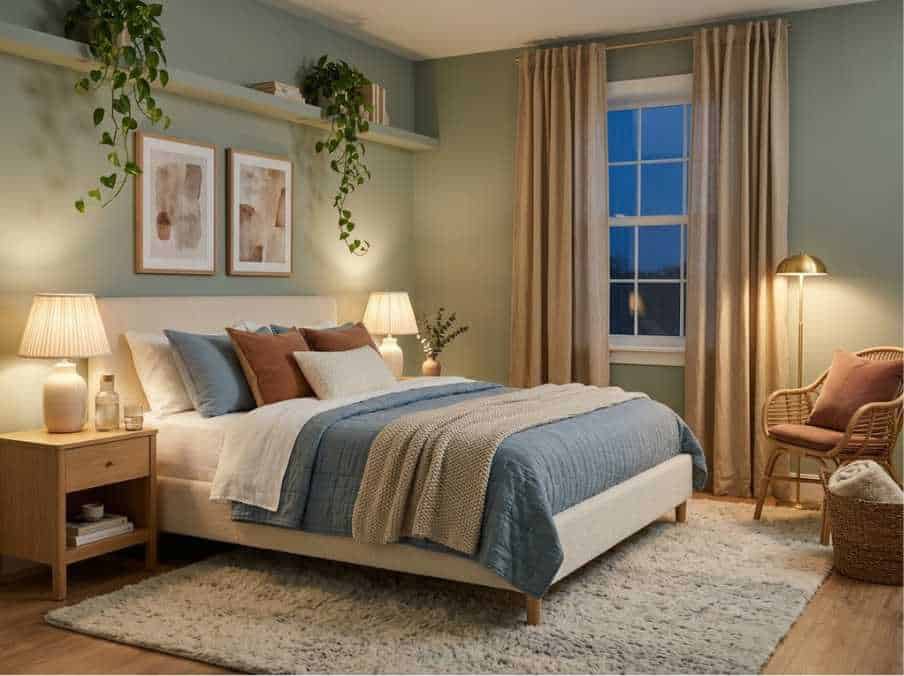
Colors, fabrics, and lighting can have a surprisingly strong effect on how comfortable a room feels, which makes them useful tools when you’re personalizing a new home.
Even if you’re happy with the existing furniture and wall colors, adding a few carefully chosen accessories can help your space feel warmer and more like you.
I’d start by thinking about the atmosphere you’d like to create in each room rather than choosing colors based entirely on current decorating trends.
If you want your bedroom to feel peaceful, softer shades of blue, green, or beige might help create a relaxing environment.
If you prefer a lively and welcoming living room, you could bring in warmer colors through cushions, artwork, curtains, or decorative accessories.
Texture is just as important because it adds depth and comfort without necessarily changing the overall design of a room.
A thick area rug can make your living space feel more inviting, while soft curtains, woven baskets, and cozy throw blankets can add warmth to rooms that otherwise feel plain or unfinished.
I’ve noticed that texture is often what makes a new house feel lived in, since a room you can sink into and wrap up in feels like it’s been yours much longer than it has.
Lighting can also change the mood considerably, especially in the evening when bright overhead fixtures may feel too harsh for relaxing.
Adding table lamps, floor lamps, or warm-toned bulbs can help create a softer setting that feels more comfortable for reading, watching TV, or spending time with family.
Rather than buying everything at once, I’d make a few changes and see how they work together before adding more.
This approach gives you a chance to figure out what you truly enjoy while avoiding unnecessary spending on items that may not suit your home in the long run.
Create Comfortable Areas That Match Your Lifestyle
A beautifully decorated home isn’t necessarily comfortable if the layout doesn’t support the activities you enjoy every day.
That’s why I think personalizing your space should involve thinking about how you actually live, rather than focusing entirely on how each room looks.
Consider the routines and hobbies that make your days enjoyable, and look for chances to create dedicated spaces around them.
If you enjoy reading, a comfortable armchair near a window, paired with a small table and a reading lamp, could become your favorite place to spend quiet afternoons.
If you work remotely, setting up a desk in an area with natural light and minimal distractions can make your workday more pleasant and productive.
You can also create small spaces for hobbies such as painting, crafting, exercise, or gardening, even if your new house doesn’t have an entire room for them.
A corner of a guest bedroom might fit a compact desk for creative projects, while an unused section of the living room could become a comfortable area for stretching or practicing yoga.
When planning these spaces, I’d think carefully about storage, lighting, and how easily you can move around the room.
Having your supplies organized and close at hand makes it easier to enjoy your hobbies without constantly rearranging furniture or searching for equipment.
Pretty baskets, labeled bins, or a small open shelf can keep everything tidy while turning your supplies into part of the decor.
By designing areas around your interests and everyday needs, you give your home a practical purpose that goes beyond appearance.
Over time, these personalized spaces often become some of the most meaningful parts of your house because they’re connected to the activities that help you relax and feel comfortable.
I’ve found that a room shaped around what you love to do has a warmth no showroom can match, because it’s always a little bit in use and a little bit you.
Add Personal Touches to Your Outdoor Space
While decorating the inside of your new home is important, your outdoor areas deserve some attention too because they add to the overall feeling of comfort and belonging.
Whether your property has a spacious backyard, a small patio, or a front porch, there are plenty of ways to make these areas more welcoming without taking on a major landscaping project.
If you have a front porch, I’d consider adding a few planters, a welcoming doormat, or a comfortable chair that makes the entrance feel more inviting.
Your porch is the first thing you and your guests see, so I think it sets the tone for the hospitality waiting inside.
For a patio or backyard, outdoor seating, weather-resistant cushions, and simple lighting can create a pleasant setting for enjoying fresh air or spending time with friends and family.
Gardening is another practical way to personalize your property, particularly if you enjoy spending time outdoors.
You might start with a few container plants before deciding whether to create larger flower beds or garden areas.
Choosing plants suited to New Jersey’s climate and your yard’s sunlight conditions can help make care easier throughout the changing seasons.
I love that a garden also brings beauty back inside, since a few clipped stems in a jar on your table can make your kitchen feel connected to the yard you’re growing.
It’s also worth thinking about how you want to use your outdoor space before investing in expensive improvements.
If you enjoy quiet mornings, a small seating area might be more useful than an elaborate garden design, while families who often entertain guests may prefer an open layout with enough room for comfortable seating.
Making these decisions based on your lifestyle helps your outdoor areas feel like an extension of your home rather than another space that needs constant decorating.
Give Yourself Time to Settle In and Make Changes Gradually
One of the most helpful things you can do after relocating is to give yourself permission to settle in without expecting every room to look finished right away.
Moving involves plenty of decisions, from organizing belongings to adjusting to unfamiliar surroundings, and adding pressure to decorate your entire house can make an already demanding experience feel unnecessarily stressful.
Living in your new space for a while can also help you make better decorating decisions because you’ll begin to notice details that weren’t obvious when you first moved in.
You may find that a particular room gets more natural light than expected, that your family prefers gathering in the kitchen rather than the living room, or that a piece of furniture would be more practical in another spot.
I like to think of these early months as getting to know your home, the way you’d get to know a new friend before deciding what you have in common.
These observations can guide future changes and keep you from spending money on improvements that don’t suit your actual needs.
For example, instead of buying furniture for an empty corner right away, you might wait until you’ve decided whether the area would work better as a reading nook, a small home office, or extra storage.
It’s also important to remember that your home doesn’t need to look perfectly coordinated to feel welcoming.
Some of the most comfortable spaces I’ve seen develop gradually as people add meaningful belongings, adjust furniture arrangements, and create routines that make everyday life easier.
Letting your home evolve naturally can make the process more enjoyable because you’re making choices based on experience rather than rushing to achieve a particular look.
Settling into Your Howell Home One Thoughtful Step at a Time
Personalizing a home after relocating to Howell, NJ, is about creating an environment that reflects your personality, supports your everyday routines, and helps you feel comfortable in your new surroundings.
While furniture, decorations, and color choices all play a role, I’ve found the most meaningful changes are often the ones that make your daily life easier and more enjoyable.
By starting with frequently used rooms, displaying familiar belongings, bringing in touches inspired by your surroundings, and creating spaces around your interests, you can gradually build a home that feels welcoming without taking on expensive renovations.
Paying attention to your outdoor areas and giving yourself time to adjust can make the transition feel even more natural.
Most importantly, remember that making a house feel like home isn’t something you have to accomplish in the first few weeks after moving.
As you settle into your new routines, explore your community, and create memories with the people who matter to you, your home will continue to develop its own personality.
With a little patience and a few thoughtful changes, I think your new house can become a comfortable, familiar place where you truly love spending your time.

Leave a comment