
Most structural drying San Jose projects take three to five days, though small losses may finish sooner while dense materials can need a week or longer.
The honest answer depends on moisture readings, not a preset countdown.

FloodDry Water Damage Restoration handles extraction, drying, and moisture monitoring across the Bay Area.
I’ll explain what controls the schedule in this guide and show you why daily readings matter.
Drying should begin quickly after a leak hits your home, and EPA guidance urges drying wet materials within 24 to 48 hours.
That window is a response goal, not a universal project duration, so fast setup doesn’t guarantee fast completion.
Water can travel behind your baseboards, beneath flooring, and inside wall cavities, which means a surface may feel dry while deeper layers remain wet.
Structural Drying San Jose: The Realistic Timeline
Structural Drying San Jose: Practical One-to-Ten-Day Range
Most straightforward clean-water projects need three to five drying days, though a small, accessible area in your home may reach its goal within 24 hours.
Larger or layered assemblies often require more time since concrete, wood flooring, and insulated cavities usually dry slower.
These ranges begin after standing water gets removed from your property, and necessary demolition may also happen first.
Contaminated water can extend your schedule further because cleaning and unsafe material removal must come before restorative drying.
| Typical scenario | Planning range | Main reason |
|---|---|---|
| Small clean-water leak, quickly contained | One to three days | Limited migration and easy access |
| Wet drywall and baseboards | Three to five days | Moisture inside gypsum and framing |
| Closed wall cavity with insulation | Three to seven days | Restricted airflow and hidden moisture |
| Carpet, pad, and subfloor | Two to five days | Several layers must reach target readings |
| Wood flooring or dense floor assembly | Five to ten-plus days | Slow moisture release from dense materials |
| Contaminated or delayed water loss | Varies after remediation | Cleaning and removal change the sequence |
Those numbers are planning ranges, not promises, so a technician should confirm completion using documented measurements.
Equipment shouldn’t leave just because your room feels comfortable.
What Changes the Water Mitigation Timeline San Jose Homeowners See?
Water Type and Affected Area
A fresh supply-line leak differs from a drain backup, and clean water may allow more of your materials to remain.
That decision still depends on timing and material condition, while contaminated water requires stronger controls and selective removal.
Square footage matters, but I’ve found that migration matters more since water rarely stays inside one visible stain.
It can move along framing, seams, and floor transitions in your home, which is why multiroom losses need more mapping and equipment.
Materials, Access, and Dehumidification San Jose
Drywall usually releases moisture faster than dense wood does, and your carpet may dry before its pad.
Tile can look normal while underlayment stays wet, just as concrete can hold moisture well below its surface.
Air must reach the wet material for drying to work, but closed cavities restrict that airflow.
Baseboard removal may expose lower drywall edges in your walls, and small access openings can improve cavity drying.
Wet materials release water into your surrounding air, and dehumidifiers then remove that water from your space.
High indoor humidity slows evaporation and extends equipment runtime, while open windows can also disrupt the controlled conditions we’re trying to maintain.
I’ve seen that effective dehumidification San Jose work uses properly sized equipment, since your room volume and water-loss class affect capacity.
Containment can reduce the air volume being treated.
Wall Drying Timelines by Common Scenario
Structural Drying San Jose for Drywall and Wall Cavities
Quickly addressed surface moisture may dry within one to three days when extraction and airflow begin promptly at your home.
Your wall should have no wet insulation behind it, and readings must trend downward each day.
Insulation holds water and blocks cavity airflow, so drying may take three to seven days in your situation.
Saturated insulation may require removal instead, depending on the water source and contamination level.
Drying only your room side can miss cavity moisture, which is why technicians may create controlled access points.
They then direct dry air through the assembly while daily cavity readings show whether progress continues.
Plaster, Double Drywall, or Masonry Walls
Dense walls often require five to ten days to dry, and some assemblies need even longer.
Plaster can hide moisture behind a hard surface, and masonry also releases stored moisture slowly, which I’ve explained to many homeowners.
Structural Drying San Jose: Floor Timelines by Material
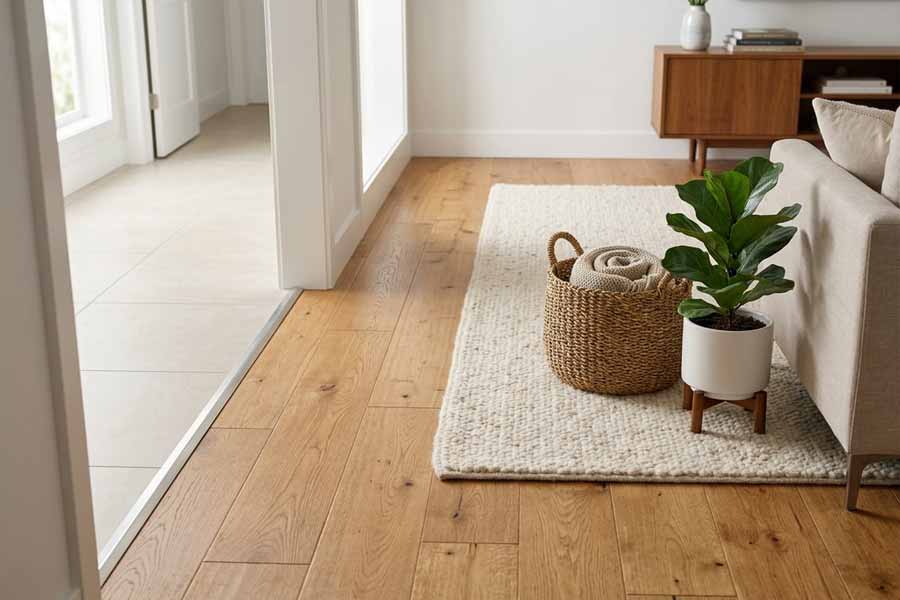
Structural Drying San Jose for Carpet and Wood Floors
Clean, quickly extracted carpet may dry within two to three days, though your padding can remain wet underneath.
Contaminated padding usually can’t stay in your home, especially if delamination or odor prevents salvage.
These floors contain several moisture-sensitive layers, so swelling can begin before obvious surface changes appear.
Trapped water may move beneath many of your planks, which means drying commonly takes several days or longer.
Some products can’t be restored after water reaches their cores, so removal may expose your wet underlayment.
That step can shorten structural drying San Jose projects and prevents hidden moisture from lingering in your home’s structure.
Solid hardwood can release moisture slowly, so five to ten-plus days is a reasonable planning range for your floors.
Specialty floor mats may pull moisture through board seams while dehumidifiers manage the released vapor.
Tile, Concrete, and Covered Slabs
Tile itself doesn’t absorb much water, but grout, mortar, underlayment, and concrete can.
A covered slab may need a week or longer since limited access creates the main delay.
Why Daily Measurements and a Drying Goal Matter
Drying Goals and Daily Moisture Readings
A drying goal is a measurable endpoint for your project, and it usually reflects comparable, unaffected materials in your home.
Technicians may call those readings the dry standard, and your goal should match each material being monitored.
Each visit should compare current readings with prior readings, along with relative humidity and temperature that also matter to your outcome.
Declining moisture shows progress, while flat readings signal a problem.
Equipment may need repositioning after a stalled day, and more access may be necessary in your situation.
Hidden wet material may need removal, so your water mitigation timeline San Jose plan should change with evidence.
Air movers can make your surfaces feel dry quickly, but that sensation isn’t verification.
Dehumidifiers may still collect substantial water from your air since deep materials often lag behind exposed surfaces.
Removing equipment early can cause rebound moisture, and humidity rises after trapped moisture reaches the air in your home.
Final readings should meet your drying goal, and conditions should remain stable before reconstruction starts.
Dehumidification San Jose: What the Equipment Actually Does
Air movers increase evaporation across your wet surfaces, while dehumidifiers capture water vapor from your air.
Neither tool replaces extraction, since removing liquid water first saves significant drying time.
Equipment quantity should match your affected volume, and the loss class also influences initial capacity.
Too little equipment slows your progress, and poor placement creates dead zones around your walls and contents.
Closed doors aren’t always helpful because your drying chamber needs planned airflow paths.
Containment may isolate your unaffected rooms while technicians balance pressure
Leave a comment