
Your home goes through seasons that don’t always call for a permanent fence.
Maybe you’re adding a sunroom, putting in a pool, or waiting on a new privacy fence that’s still weeks out.
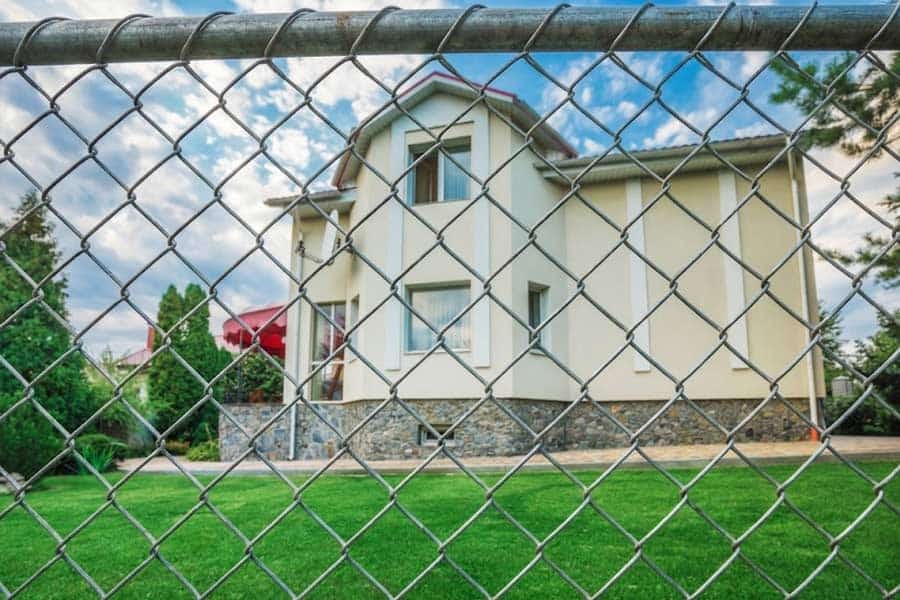
I’ve found that temporary fencing gives you a flexible fix that a permanent fence just can’t match for short-term projects at home.
Panels sit on weighted stands, so they go up, move, and come down without digging a single post hole in your yard.
That means no torn-up lawn and no damaged flower beds once the project wraps up.
Here are six common home situations where effective solutions can keep your family safe and your curb appeal intact.
1. Home Renovations and Additions
A kitchen gut, a new garage, or a room addition turns part of your property into a work zone overnight.
Dumpsters, lumber piles, and open foundations aren’t something you want your kids or the neighbor’s dog wandering into.
A simple run of fence panels around the work area gives everyone a clear “stay out” line without you having to keep an eye on it all day.
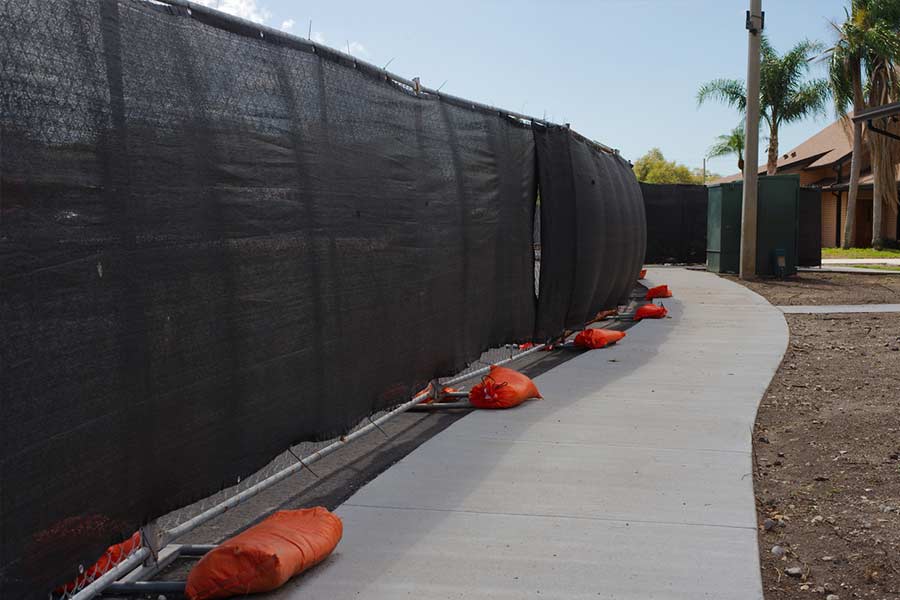
I like adding a green or black privacy screen to the panels so the mess stays hidden from the street.
Your house still looks cared for from the curb, even with a project in full swing.
Before you set anything up, check with your HOA, since some have rules about how long temporary structures can stay in the front yard.
2. Backyard Parties, Graduations, and Weddings
Hosting a big gathering at home means guests wander everywhere, including places you’d rather they didn’t.
A few temporary panels can block off your pool, a steep slope, or a garden bed you’ve spent all spring planting.
You can also use them to create a tidy path from the driveway to the backyard so guests don’t cut across your side yard.
If you’re expecting a crowd, fencing off part of the yard gives your grass a break and keeps a healthy lawn from turning into a muddy mess.
I’d drape panels with string lights, greenery garland, or fabric so they blend right into your party decor.
Once the last guest leaves, the panels come down and your yard looks just like it did before.
3. Water, Fire, and Mold Restoration at Home
After a burst pipe or a small kitchen fire, your home can feel turned upside down while crews work.
Teams like OKC Restorations often need clear, contained areas to remove damaged drywall, flooring, and insulation without spreading dust or mold spores.
Temporary barriers help seal off the affected rooms so your family can keep living in the rest of the house.
Outside, a few panels around the dumpster and drying equipment keep your driveway and front walk safe for visitors.
This also gives your insurance adjuster a clear picture of exactly where the damage is.
As the work moves from room to room, the panels can move right along with it.
4. Pool Installation and Big Landscaping Projects
An in-ground pool dig leaves a deep hole in your backyard for weeks before the water ever goes in.
Many towns require a barrier around a pool site during construction, so it’s worth calling your local permit office first.
Temporary fencing can cover you until your permanent pool fence and self-closing gate are installed.
The same idea works for a new patio, retaining wall, or fresh sod.
New sod usually needs a few weeks of light foot traffic to root well, and I’ve found a short fence line keeps kids and pets off it far better than a polite reminder.
Your new landscaping gets the head start it needs to look full and lush.
5. A New Puppy or Waiting on Your Permanent Fence
Custom wood, vinyl, and iron fences can take weeks or even months to install once you place your order.
If you just brought home a puppy, you probably don’t want to wait that long for a safe place to let it run.
A temporary fence with privacy screening gives you an instant enclosed yard and a little breathing room from the neighbors.
It’s also a smart way to test your layout before you commit to a permanent fence line.
You can walk the space, see how the gate placement feels, and tweak things before the posts go in for good.
I’d add sandbags to the stands on windy days, since a privacy screen catches wind a lot like a sail.
6. Quick Protection After Storm Damage
High winds, hail, and tornadoes can leave your home exposed in just a few minutes.
A temporary fence goes up within hours to secure broken windows, damaged roofs, and fallen trees around your property.
It keeps curious neighbors and kids away from loose shingles, downed limbs, and unstable sections of your home.
Your roofer and contractors also get a safe space to work without people wandering through.
Snap a few photos of the fenced area for your insurance file, since it shows you took quick steps to prevent more damage.
Once repairs are done, the fence comes down and you can focus on getting your curb appeal back.
Picking the Right Temporary Fence for Your Home
From renovations and parties to restoration work, new pools, puppies, and storm cleanup, there are containment solutions to make a lot of home projects easier.
You get quick protection without the cost or wait of a permanent installation, and your yard stays in good shape.
Take a look at the projects you have planned this year and think about where a few panels could keep your home safe and looking its best.

Leave a comment