
Few home upgrades affect daily comfort as much as the system that keeps your rooms warm and your showers hot.
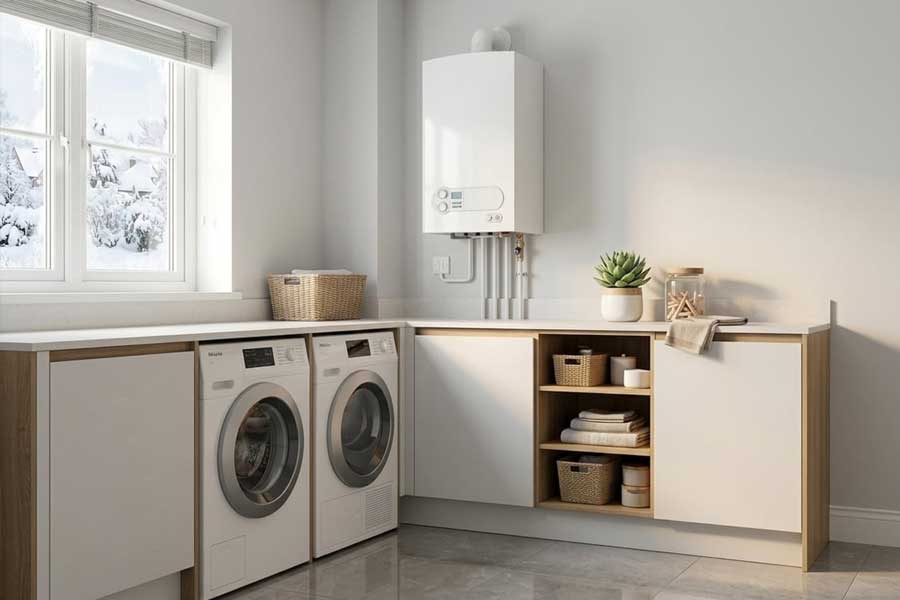
Boilers are still one of the most popular ways to heat a home, and I think it’s easy to see why once you understand what a modern system can do.
Why Boilers Are Still a Favorite for Home Heating
Boilers have heated homes for generations, and that long history has given manufacturers decades to refine their designs.
Today’s models are smaller, quieter, and far more efficient than the clunky units many of us remember from childhood.
Engineers know them well, replacement parts are easy to find, and many homes already have the pipes and radiators in place.
That makes a boiler upgrade far less disruptive than switching to an entirely new heating system.
If you’ve just finished decorating a room, avoiding torn-up floors and patched walls is a big part of the appeal.
I also love that boiler heat feels gentle and even, without the dry, dusty blasts that can come from forced-air vents.
Choosing the Right Type of Boiler for Your Home
Boilers come in three main types, and each suits a different kind of household.
Combi boilers heat water on demand straight from your main water line, so you don’t need a separate water heater or storage tank.
They’re ideal for apartments and small to medium homes, and I love that they free up a utility closet you can turn into extra storage, a linen closet, or even a compact laundry nook.
System boilers work with a hot water storage tank, which makes them a better fit for homes with more than one bathroom, where several faucets may run at once.
That matters most when you’re hosting, since nobody wants a guest stepping into a lukewarm shower on a holiday morning.
Regular boilers, sometimes called conventional or heat-only boilers, suit older homes with existing tanks and traditional piping.
Look for a high AFUE rating and the ENERGY STAR label, which make it easier for you to compare efficiency before you buy.
Warranty Length and What It Covers
A new boiler is one of the bigger investments you’ll make in your home, so warranty coverage matters.
Many leading manufacturers now offer warranties of 5 to 10 years on selected models, as long as an approved installer fits the boiler and registers it promptly.
That kind of coverage gives you real peace of mind, especially through the colder months, when a breakdown is most inconvenient.
I’ve learned that a cold house can turn a cozy evening by the fire or a family holiday dinner into a scramble for blankets and space heaters.
I’d always recommend confirming the exact terms with your installer, since warranty length can vary by model and may depend on yearly servicing or a maintenance plan.
Keep your paperwork and service records together in one folder, so you can find them quickly if you ever need to make a claim.
Smart Controls and Compatibility
Most modern boilers work with smart heating controls, either the manufacturer’s own system or popular third-party thermostats.
Smart controls let you set heating schedules, adjust the temperature from your phone, and track your energy use over time.
You can warm the house before you get home, turn the heating down when you’re away, and heat individual rooms with smart radiator valves.
I like setting the guest room to warm up a few hours before company arrives, so it feels ready and welcoming the moment they walk in.
I’ve found that homeowners who switch to smart controls are often surprised by how much more comfortable and consistent their home feels.
Many smart thermostats also look sleek on the wall, which is a welcome change from the beige plastic dials you’ll find in so many older homes.
A well-heated home you can manage from your phone is one of those quiet upgrades that genuinely improves how your space feels to live in.
Running Costs and Efficiency
Modern condensing boilers can turn more than 90 percent of the gas they use into heat for your home.
If you’re replacing an older non-condensing model, that jump in efficiency can make a noticeable difference in your energy bills.
Heating specialists like Smart Gas Solutions can help you compare boiler types, brands, and sizes, so you can choose a system that suits your property and the way your household lives.
Premium brands sometimes cost more upfront than budget options, but better reliability and fewer repairs can balance that out over the years.
When you compare quotes, look at the total cost of ownership rather than just the purchase and installation price.
Yearly servicing, bleeding your radiators, and keeping the system pressure in the right range all help your boiler run efficiently for longer.
I think lower bills have a sneaky decor perk too, since you can put that savings toward the throw pillows, rugs, or paint you’ve been eyeing.
How Your Heating Affects Comfort and Style
A good heating system shapes how your home feels just as much as paint colors, textiles, or lighting.
Even, steady warmth makes your rooms feel cozier and more inviting, and it helps prevent the damp and condensation that can damage paintwork, plaster, and soft furnishings.
I’ve noticed people naturally linger longer in a warm room, so comfortable heat quietly makes your home a place where friends and family want to gather.
A boiler replacement is also a great time to think about your radiators.
Column radiators, vertical designs, and painted finishes can turn a purely practical fixture into a feature that suits your decor.
Today’s compact boilers can tuck neatly into a kitchen cabinet or utility closet, and many are quiet enough that you’ll barely notice them running.
Choosing the Right Size Boiler for Your Home
Picking the right boiler comes down to understanding the heating and hot water demands of your home.
A correctly sized boiler runs more efficiently and will last longer than one that’s too large or too small for the job.
A qualified heating contractor will assess the number of radiators, the size of your home, how many bathrooms you have, and your household’s hot water use before making a recommendation.
Getting this assessment right at the start is one of the best investments you can make when you’re replacing your boiler.
I think it’s one of those decisions that’s easy to rush, but taking the time to get it right means years of reliable, cost-effective warmth throughout your home.
Leave a comment