
A fresh coat of paint can change a room completely, but it can’t fix what’s happening underneath it.
The same is true for new wallpaper, furniture, lighting, or the decor you’ve carefully chosen.
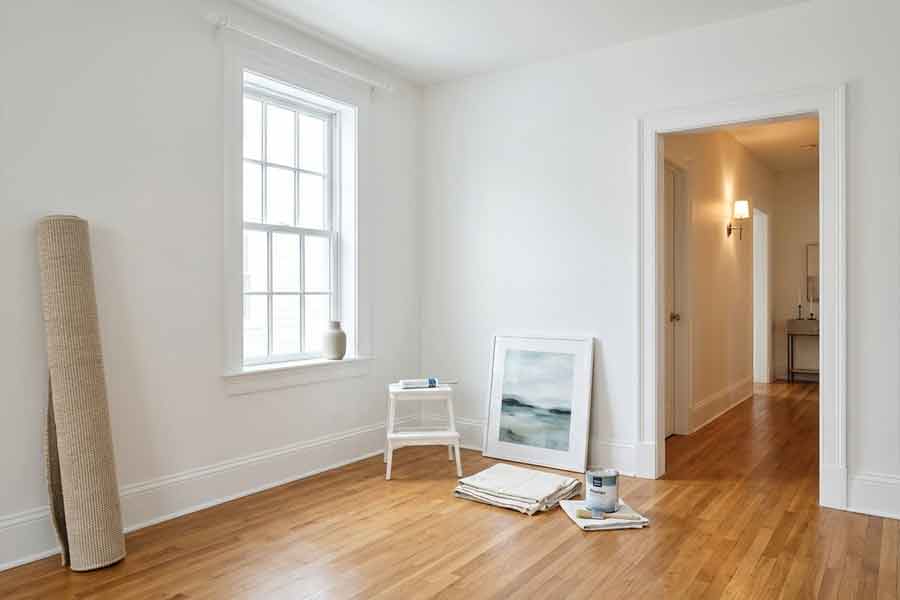
If a wall has a moisture problem or the trim is separating, decorating first may simply mean doing some of the work twice.
You’re not alone in weighing that tradeoff, and homeowners seem more aware of it than ever.
According to Angi’s 2025 State of Home Spending Pulse, 71% of surveyed homeowners said they were prioritizing preventive maintenance to avoid more expensive problems later.
Before you start the fun part of your room makeover, a quick maintenance check can protect both the work and the money going into it.
Fix Moisture Problems Before Reaching for Paint
Water stains deserve a closer look before they disappear beneath your primer.
Look closely at discoloration around ceilings, windows, cabinets, sinks, and baseboards.
Bubbling paint, swollen trim, or material that feels unusually soft can also tell you moisture has reached an area where it doesn’t belong.
The source isn’t always obvious.
A mark near a window could relate to the opening itself, while damage beneath a sink may point toward plumbing.
Find and correct the cause before you repair the finish.
This is also a good time to inspect nearby gaps and openings. If you find recurring pest activity while moving furniture or examining walls, a professional service such as Round The Clock Pest Services can help assess an established problem.
Once the underlying issue is handled, your cosmetic repairs have a much better chance of staying that way.
I’ve come to think of this as protecting the feeling of a room, not just the paint.
A space you trust is a space you actually relax in, and no color can give you that on its own.
Give Old Caulk and Seals a Closer Look
Caulk is one of those details that almost disappears when it looks good and becomes surprisingly noticeable when it fails.
Cracked, separated, or worn lines around joints can make an otherwise polished room look neglected.
Before painting, inspect the caulk around trim, windows, backsplashes, and other finished transitions where it belongs.
Your bathrooms and kitchens deserve extra attention because moisture is common there.
Replacing worn material where it makes sense gives your finished space cleaner lines.
More importantly, it lets you see whether the problem is simply aging caulk or movement, moisture, or something else you should handle first.
I notice these lines the way I notice a crooked lampshade.
Your eye catches the flaw before your mind names it, and crisp edges are a quiet part of why a room feels calm.
Check Windows and Doors while the Room Is Empty
Decorating often means pulling furniture away from walls and taking down curtains, which gives you a perfect opening to inspect windows and doors.
Open and close each window.
Look at screens, frames, locks, and visible seals.
Check your doors for damaged weatherstripping, loose hardware, or obvious gaps.
Small problems are much easier to spot when furniture and window treatments are temporarily out of the way.
Do this work before you install new curtains or push furniture back against the wall.
It saves time later and keeps your brand-new room from being interrupted by another repair project.
I’d add that windows do more for a room than almost anything you can hang on the walls.
Clean glass and a frame that seals properly give you better light and a quieter room, and that shapes how the whole space feels.
| Small Fix | Why Handle It First? | Benefit to the Finished Space |
| Moisture stain | The source may still be active | Helps protect fresh paint and finishes |
| Cracked caulk | Old material may no longer provide a clean seal | Creates neater transitions |
| Worn weatherstripping | Doors or windows may not close as intended | Improves the finished feel of openings |
| Torn screen | Damage can worsen with continued use | Makes windows look better maintained |
| Loose trim | Movement can affect nearby finishes | Provides a cleaner edge for painting |
| Visible utility gap | The opening may need proper finishing | Creates a more polished appearance |
Repair Trim Before Choosing the Final Paint Finish
Baseboards, molding, and door casings frame your room in much the same way a picture frame defines artwork.
When those pieces are chipped, loose, or separating from the wall, fresh paint tends to highlight the flaws rather than hide them.
Inspect your trim before sanding, priming, or painting.
Look for loose sections, damaged corners, old nail holes, and obvious gaps.
If your baseboards show swelling or staining, find out why before you treat the problem as cosmetic.
Doing this first also gives you cleaner paint lines.
It’s much easier to repair and prep trim before a new rug, sofa, shelving unit, or other decor blocks your access.
I’d say good trim is the most underrated styling tool you have.
It’s the thing that makes a room read as finished, the same way a well-made bed pulls a whole bedroom together.
Move Furniture and Inspect the Forgotten Areas
One of the best parts of getting ready to decorate is that everything has to move.
Use that disruption to inspect the areas that rarely see daylight.
Look behind large furniture, beneath sinks, around appliances, inside utility closets, and along pantry walls.
Check for damaged paint, wall cracks, stains, loose materials, or other changes that have been hidden from view.
This is also a smart moment to clean areas that will soon be hard to reach again.
Dust along your baseboards, clear out forgotten items, and decide whether your furniture sits in a way that makes routine cleaning harder than it needs to be.
The goal isn’t simply a cleaner room for decorating day.
It’s understanding the condition of your space before you cover it again.
I’ve found that a layout you can actually clean is a layout you’ll keep loving.
Beautiful rooms stay beautiful when caring for them feels easy instead of like a chore you keep putting off.
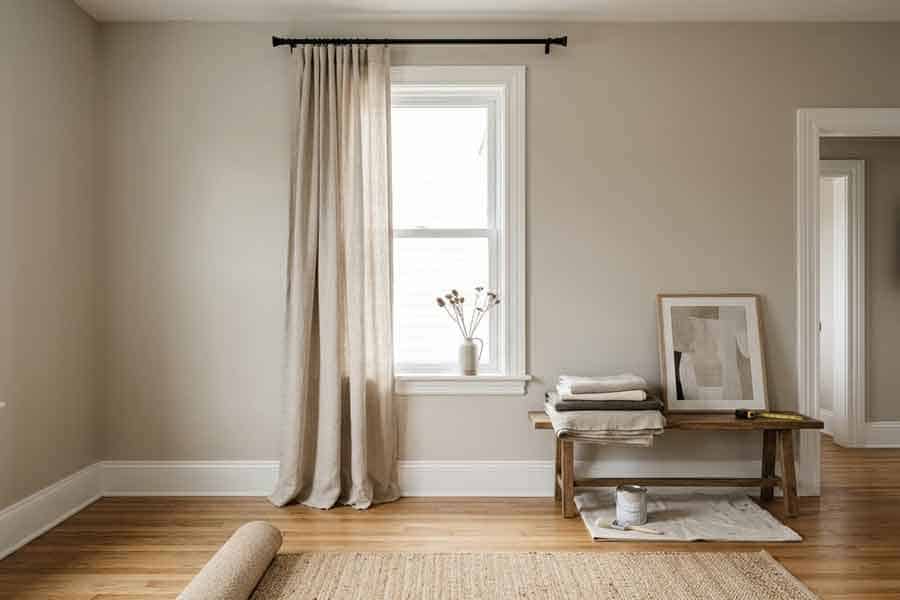
Check Floors Before the New Furniture Arrives
Floors tend to get attention during a makeover because they take up so much visual space.
Before you buy a rug or arrange new furniture, look for maintenance issues that could get harder to reach afterward.
Check your flooring edges near walls and the transitions between rooms.
Look for loose material, damaged sections, or signs of swelling.
Examine your baseboards at the same time because floor-level moisture or repeated impacts often show up there first.
A large rug can hide an imperfect floor beautifully, but it can also hide a problem that still needs your attention.
Make that distinction before you decorate around it.
I think floors deserve the care because you feel them before you see them.
Solid, level footing underfoot is part of why a room reads as comfortable, long before you notice the rug on top of it.
Do One Functional Walk-Through
Once your repairs are finished but before the decorating begins, walk through the room one more time.
This time, ignore color and style.
Open doors and windows.
Test your cabinet hardware.
Run nearby faucets and look underneath for unexpected moisture.
Check vent covers and make sure nothing you’ve planned for the room will block normal access to them.
Notice whether your outlets and switches have damaged covers that need replacing.
Think about where your furniture will sit and whether the important maintenance areas will stay reachable.
A beautiful room should still be practical to live in and easy to care for.
I’d call this the step that separates a styled room from a welcoming one.
Hospitality is partly about ease, and guests feel it when everything in your home simply works the way it should.
Start Decorating with a Better Foundation
Handling maintenance before decorating doesn’t mean turning every room refresh into a major renovation.
Most homes will always have a list of projects waiting for another weekend.
The point is to spot the small issues that could get in the way of the work you’re about to do.
Fix the stain before you paint over it.
Check the window before you hang new curtains.
Repair loose trim before you set furniture against it.
Decor is the part everyone notices, but the less glamorous work underneath helps your finished room stay attractive and functional.
Taking care of those details first gives your paint, furniture, and decorative upgrades a much better foundation.
I’ve never regretted the boring hour spent before the fun one.
That’s the part that lets you enjoy the room you made instead of noticing what still needs fixing.
Leave a comment