
Walk through almost any established Toronto neighborhood, Roncesvalles, The Beaches, Leslieville, East York, and you’re surrounded by homes with real history.
Century old semis, wartime bungalows, post-war red brick.
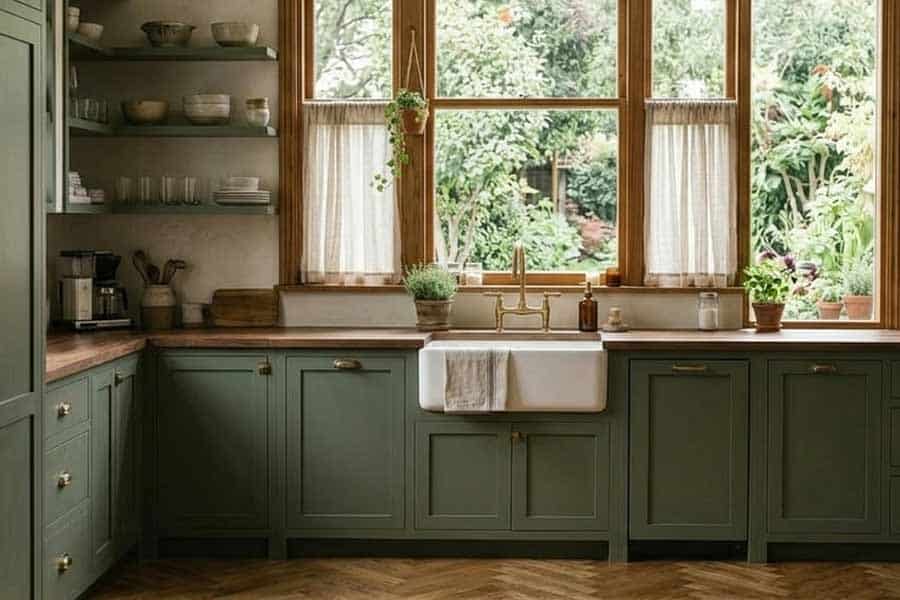
They’re well built, full of character, and in many cases still running on the original plumbing.
That’s not necessarily a problem.
But it does mean that drain maintenance in these homes works differently than it does in a new build.
The pipes are older, the materials are different, and the buildup happens faster than most homeowners expect.
I’ll walk you through what’s really going on beneath your beautifully kept floors, and why the systems you never see deserve just as much attention as the ones you do.
What’s Actually Inside Your Old Pipes
Homes built before the 1980s in Toronto were typically plumbed with cast iron or clay pipes, materials that were standard at the time and are genuinely durable.
But they have one significant drawback compared to modern PVC: the interior surface is rougher, which means debris, grease, and mineral deposits cling to the walls of the pipe more easily.
Over decades, that buildup accumulates.
What starts as a slight narrowing of the pipe gradually becomes a significant restriction, and eventually, a blockage.
Your drain doesn’t fail all at once.
It slows down, then slows down more, then stops entirely, a little like how a home slowly loses its charm when small maintenance details get overlooked year after year.
Toronto’s water is also relatively hard, which accelerates mineral buildup.
Calcium and magnesium deposits coat the inside of your pipes over time, compounding whatever organic material is already there.
The Signs You Might Be Missing
The most obvious sign of a drain problem is a drain that doesn’t drain.
But by the time you hit that stage, the buildup has usually been building for months, sometimes years.
Earlier signs are easier to miss:
A drain that used to be fast and is now just slightly slower.
A gurgling sound after water goes down.
A faint smell that appears occasionally and then disappears.
Water pooling briefly in your shower before it drains.
These aren’t emergencies, but they’re not nothing either, they’re your drain telling you something is changing inside the pipe, much the same way a faint water stain on a ceiling tells you something is happening behind a wall you can’t see.
In older homes, I’d take these signals seriously.
The gap between “slow drain” and “blocked drain” tends to be shorter when the pipe is already carrying decades of residue.
How Often Should You Actually Clean Your Drains?
For newer homes with PVC plumbing and moderate use, a professional drain cleaning every two to three years is generally reasonable.
For older Toronto homes, especially those with cast iron pipes, heavy kitchen use, or a history of slow drains, every one to two years is a more realistic interval.
This isn’t about being overly cautious.
It’s about the reality of what’s inside your pipes.
A drain that gets cleaned regularly stays cleaner between cleanings, the same way a well loved home stays easier to maintain when small things are addressed before they become bigger projects.
A drain that only gets attention when it fails completely is a much bigger job to restore.
What Professional Drain Cleaning Actually Does
A professional drain cleaning goes further than anything you can do with a plunger or a store bought drain cleaner.
Mechanical snaking physically breaks up or removes blockages.
Hydro jetting, where appropriate for the pipe, clears the walls of the pipe, not just the center.
Critically, a professional can also tell you what is actually causing the buildup.
Grease accumulation in your kitchen drain is a different problem from root intrusion in a basement line, and the right approach depends on what’s actually there.
A camera inspection before cleaning makes it possible to see exactly what you’re dealing with, which is really no different from knowing what’s behind a wall before you commit to a renovation or a fresh coat of paint.
For homeowners looking into drain cleaning, the right company will assess the pipe before deciding on a method, not just apply the same approach to every job.
Chemical Drain Cleaners: A Note
They’re tempting because they’re cheap and immediate.
But chemical drain cleaners are particularly hard on older pipes, the same caustic compounds that dissolve organic material also accelerate corrosion in cast iron and degrade older pipe joints over time.
For a one off minor clog in a newer home, occasional use probably isn’t catastrophic.
But as a regular maintenance strategy in an older Toronto home, they do more harm than good, not unlike using a harsh cleaner on a beautiful hardwood floor because it’s fast, only to find it dulls the finish over time.
Mechanical cleaning is gentler on your pipes and more effective at removing the full range of buildup.
A Practical Approach for Your Toronto Home

If your home was built before 1980, the most useful thing you can do is get a baseline inspection, especially if you’ve never had your drains professionally cleaned since moving in.
A camera inspection will show you what’s actually in your pipes, and from there you can make an informed decision about timing and method.
From that point, regular cleaning on a schedule that matches your home’s actual plumbing keeps things manageable.
You catch small problems before they become expensive ones, and you avoid the kind of water damage that can quietly undo years of careful decorating, warped baseboards, stained subfloors, or a ruined rug you chose specifically to bring the room together.
Working with a licensed plumber who knows older homes can help you figure out what maintenance schedule actually makes sense for your pipes, which is more useful than any generic advice.
Old Pipes, Managed Well
There’s nothing wrong with century old plumbing.
Plenty of it is still performing exactly as it should.
But it does require a different kind of attention than modern PVC, more regular maintenance, more awareness of early warning signs, and a bit more care about what goes down the drain.
The homes in Toronto’s older neighborhoods were built to last, with the same solid bones that make them worth restoring, styling, and living in for decades to come.
With the right maintenance, your plumbing can quietly support the home you’ve worked so hard to make beautiful, instead of becoming the hidden problem that undoes it.
Leave a comment