
You like working with your hands. Maybe you’re the person everyone calls when a shelf needs fixing.
Or when a room needs some real work. You enjoy building and repairing.
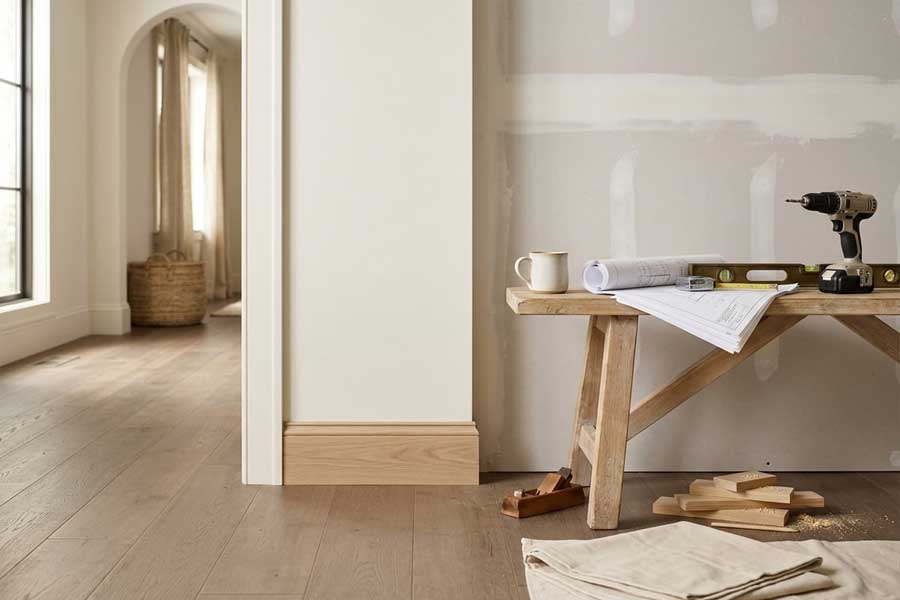
And after enough weekend projects, you may have thought, “Could I actually take this further?”
Going deeper into construction takes more than owning tools and having a free Saturday.
The work asks you to keep learning.
To respect safety rules. To take care of your body for the long haul.
You’ll also need to adjust how you think about the work.
I’ve found the homeowners who tackle the best renovations aren’t the ones with the biggest toolbox, but the ones who slowed down long enough to understand why a house is built the way it is.
Ready to turn your home-project hobby into something more serious?
Here are eight things I’d want you to know first.
1. You’ll Start at the Bottom
If you’re used to handling small projects at home, your first real remodel may humble you.
You might find yourself doing basic tasks while shadowing a pro crew.
That’s normal.
Those early jobs help you understand the pace and safety rules of construction work.
Treat those first months like training.
Ask why a task’s done a certain way.
Watch how teams handle problems.
Take notes when you learn something new.
The boring jobs can teach you how to work efficiently.
That basic work builds a solid foundation.
It also changes how you see a finished room, because you start noticing that the trim sits flush and the tile lines meet at the corner, which is exactly why the space feels calm to everyone standing in it.
2. Tools Are an Investment
Your toolbox might handle weekend repairs just fine.
But a bigger project calls for more than your run-of-the-mill garage tools. You’ll eventually need to upgrade your equipment.
You need ones that can handle daily use.
Start with tools your actual work requires.
Ask experienced people which brands hold up well.
Keep your tools clean. Store them properly, too.
Replace worn equipment before it becomes a safety problem.
Good tools can make tough jobs easier.
They also help you work with confidence.
Over time, your collection becomes part of how you work.
And the better your tools cut, the cleaner your reveals and miters look, which is the quiet difference between a room that reads custom and one that reads almost finished.
3. You’ll Read More than Just Blueprints
Construction work involves a lot of reading.
You need to check a plan before picking up a tool.
Or confirm a measurement.
So get comfortable with job documents early.
Say you’re designing a kitchen for a remodel. You’ll need the blueprints to understand the layout.
Building codes affect electrical and plumbing work.
So you need to read up on those requirements, too.
Manufacturer instructions dictate how certain products get installed.
Permit documents are also a must.
Practice reading these materials carefully.
You’ll make better decisions when the paperwork’s familiar.
Those same drawings tell you where a window can go, how much daylight your room will get, and whether your beautiful design will actually work in real life.
4. Specializing Can Pay Off
There are many specialties under construction work.
You might find you have a knack for electrical work.
Or fall in love with carpentry.
Finding a niche helps you build deeper expertise.
It also opens the door to more advanced work.
Note, though, that different trades have different licensing requirements.
It also varies by state.
In Arizona, certain contractor classifications require a trade exam.
Electrical classifications are among them.
If that’s your goal, invest in Arizona electrical contractor exam preparation to help you study the material. Check your state’s requirements early.
That way, you can plan your next moves.
Lighting is a good example of why this matters, since the placement of a sconce or the depth of a recessed can shapes the mood of a room long after the drywall goes up.
5. Reputation Goes Far
Construction is a small world.
People remember the worker who does high-quality work and treats others well.
They also remember who cuts corners.
Or disappears when a problem comes up.
Your reputation forms as soon as you start working.
Improve your reputation by doing dependable work. Communicate clearly, too.
Tell a supervisor when you spot a problem.
Keep everyone updated when plans change.
Clean up after your work.
These habits earn trust from people who may recommend you for the next job.
Your name can become one of your best assets.
A tidy site matters more than you’d think, because the people living in that house are watching a space they love get torn apart and need to believe it’s coming back better.
6. Budgets and Negotiation Skills Help
Technical skills get a project done.
But money skills help you finish it.
This becomes especially important once you’re managing subs and materials on your own remodel.
You may need to understand why plumbing rates changed after opening a wall. The extra cost can feel like a surprise.
Instead of pushing back right away, ask why the repair needs more work.
Learn how to estimate jobs.
Practice discussing pricing clearly.
Strong communication can protect your budget.
All while keeping your working relationships healthy.
I’d also build a cushion for finishes, since the stone, hardware, and paint are the parts you’ll actually see and touch every day.
7. There’s So Much Room to Grow
You might start with a single room. Maybe a bathroom.
But construction gives you several directions to explore as your skills grow.
You could move into a skilled trade. Perhaps take on running your own crew.
Eventually, you could step into managing a full addition.
Want to get there one day?
Start building leadership skills in construction early. Learn to communicate with crews.
Take ownership when something goes wrong.
Help newer workers get comfortable on the job.
Those habits can prepare you for bigger projects.
They also let you stop settling for whatever fits and start shaping rooms around how you actually want to live in them.
Where a Weekend Habit Can Take You
A construction skill set can start with loving the work. But then you’ve got to keep going.
Keep sharpening your skills. That’ll help a lot as you take on more.
Most of all, give yourself room to be new at this. Experience comes with time.
And every project can teach you something useful!
Stick with it, and I think you’ll find that your passion for home projects turns into rooms your family and guests genuinely love being in.
Leave a comment