
Most people buy a large sofa, push it against the longest wall, point it toward a television, and consider their living room finished.
While this layout works well for movie nights, it often leaves the rest of the room feeling empty and underused.
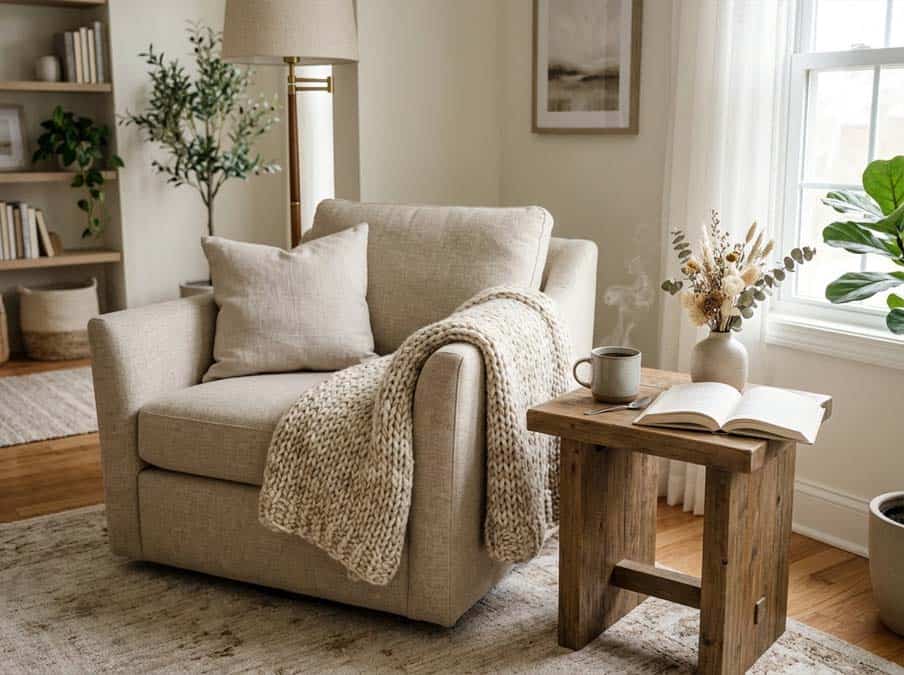
When a room is designed around a single focal point, it misses out on the chance to support everyday activities like drinking a morning coffee, chatting with a friend, or settling in with a good book.
By moving beyond just the sofa and setting up smaller, purposeful zones, you can change how your entire home looks, feels, and functions.
You don’t need an enormous house to do this.
Even an apartment living room or an awkward corner in a primary bedroom can house a comfortable reading spot or a small conversation area.
The trick lies in rethinking your floor plan and paying attention to the unused square footage hiding in plain sight.
Rethinking Your Floor Plan
Before buying new furniture or dragging heavy pieces across the floor, take a few minutes to look at your current layout.
Often, the corners of a living room end up acting as storage for exercise equipment, stacks of mail, or abandoned houseplants.
These ignored spots are prime real estate for a secondary seating area, and honestly, transforming them is one of the most satisfying home improvements you can make.
Start by walking through your space and noticing the natural traffic paths.
You want to identify areas that are out of the main walkway but still feel connected to the rest of the room.
A wide hallway, the space under a large window, or the angled area near a fireplace are all great candidates for a new zone.
You should also take note of where the natural light falls during different parts of the day.
A spot that gets soft morning sunlight is perfect for a weekend coffee setup, while a corner that catches the afternoon sun might be the best place for a dedicated reading area.
Once you spot a potential zone, measure the floor space carefully.
You need enough room for a seat, a small surface, and adequate clearance so people can walk past without bumping their knees.
A good rule of thumb is to leave at least eighteen to twenty-four inches of walkway around a new seating arrangement.
If your chosen spot is too tight, try pulling your main sofa forward a few inches.
Floating furniture away from the walls often opens up surprisingly large pockets of space in the back of a room.
Building the Perfect Reading Spot
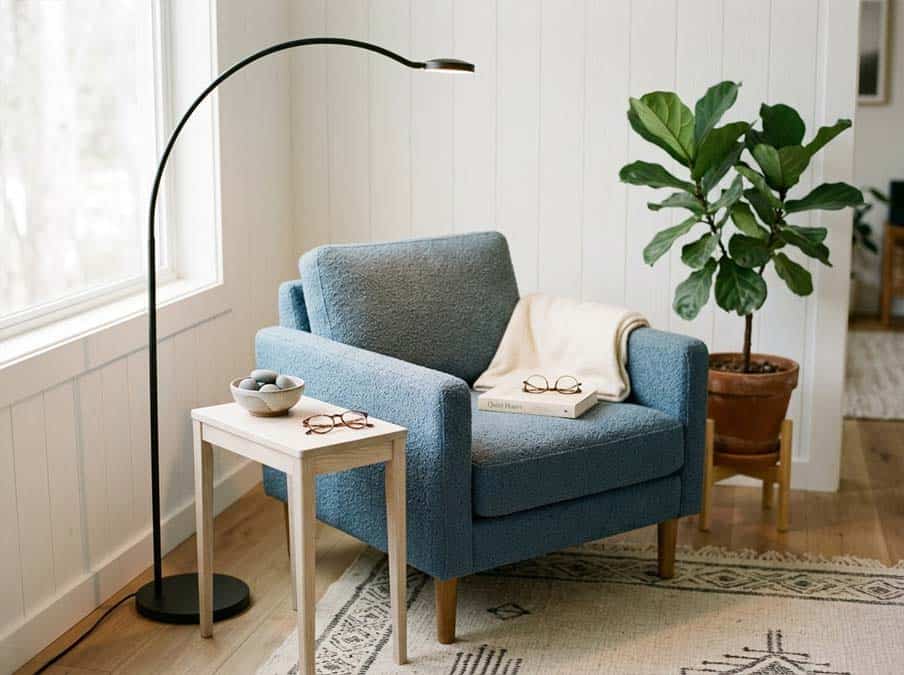
A reading nook doesn’t need to be complicated.
At its core, it requires three simple things: a comfortable seat, proper lighting, and a place to rest a drink or a book.
Selecting the right components is what makes the space feel intentional and inviting rather than like a waiting room.
The seating choice is the most important part of this setup.
You want a chair that supports your back but is soft enough to relax in for an hour or two.
Upholstered armchairs with a slight recline work beautifully for reading.
If you’re browsing for the right piece, you can easily find a wide variety of styles and fabrics online to match your current room layout: https://www.thebrick.com/collections/furniture-living-room-accent-chairs.
Look for durable fabrics like performance velvet or a sturdy cotton blend if you use the chair daily.
Next, think about surface area.
A small side table is essential, and it should sit relatively flush with the arm of your chair so you don’t have to reach uncomfortably high or low to pick up your coffee mug.
Materials like wood or metal can add a nice contrast to a fabric-heavy chair.
Finally, lighting will determine whether you actually use this spot after the sun goes down.
A tall floor lamp that arches over the chair provides excellent task lighting without taking up valuable table space.
If floor space is extremely tight, consider mounting a plug-in wall sconce right above the chair.
This keeps the footprint small while still giving you plenty of light to read by.
Setting Up a Conversation Area
While a reading nook is usually a solitary space, a conversation zone is all about connection.
This type of layout encourages eye contact and makes it easy for two or more people to sit and talk comfortably.
You can set up a conversation area in a large living room, an open-concept dining space, or even a spacious home office.
The easiest way to build a conversation layout is to arrange seating so it faces inward.
Two comfortable chairs placed opposite each other, or angled slightly toward a shared center point, naturally draw people in.
If you have a bit more space, you can pair a loveseat with a single chair.
The goal is to keep the seating close enough that people don’t have to raise their voices to hear each other.
A distance of four to six feet between seats is generally ideal for a relaxed chat.
To make the setup feel complete, anchor the chairs with a shared focal point.
A round coffee table or a large upholstered ottoman works well here.
An ottoman offers the added benefit of serving as extra seating when you have a larger group of guests over.
You can simply place a large decorative tray on top of the ottoman to hold drinks or snacks during a normal afternoon, then remove the tray when you need another place for someone to sit.
Don’t forget to think about the acoustics of your conversation area.
Hardwood floors and bare walls can make voices echo, which takes away from the intimate feel of a small seating zone.
Adding soft textiles like a throw blanket, some textured pillows, or a set of heavy curtains nearby will help absorb sound and make the space feel much cozier.
Using Visual Boundaries to Separate Spaces
One of the biggest challenges when adding new zones to a room is making sure the space doesn’t look cluttered.
If you just drop two chairs into the corner of your living room, it might look like a furniture showroom.
You have to give the new zone a visual boundary so the eye understands it’s a separate, intentional space.
The most effective tool for defining a zone is an area rug.
A small rug placed under your reading chair and side table instantly creates an invisible room within a room.
For a conversation setup, a slightly larger rug that fits under the front legs of all the chairs will tie the pieces together.
When selecting a rug for a secondary zone, you don’t need it to match your main living room rug exactly.
Instead, pick a rug that shares a color or a texture with the rest of the room.
This keeps the design cohesive without feeling repetitive, and I think it’s one of those small decisions that makes a room look genuinely well put together.
Paint and wall treatments can also define a space.
You might paint the wall right behind your reading chair a slightly darker shade than the rest of the room.
Alternatively, hanging a large piece of art or grouping a few floating shelves directly above the new seating area creates a distinct focal point.
This draws attention away from the main sofa and signals that this specific corner has its own purpose.
Lighting also plays a huge role in drawing boundaries.
While ceiling lights wash the whole room in a flat brightness, lamps create pools of light that naturally draw people in.
By turning off the overhead lights and switching on a table lamp between your two conversation chairs, you instantly create a warm, focused atmosphere that feels entirely separate from the rest of the house.
Practical Tips for Making Your Setup Flow
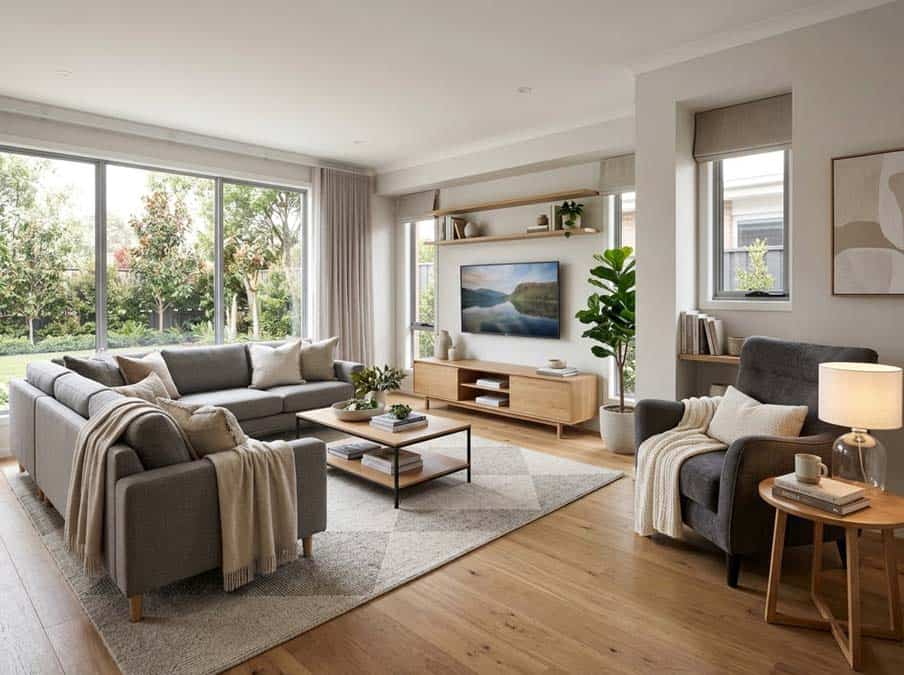
Adding new zones to your home is a great way to get more use out of your floor plan, but you’ll want to balance aesthetics with everyday function.
Always prioritize the flow of traffic.
It’s incredibly frustrating to navigate a room when you constantly have to turn sideways to squeeze past a side table or an armchair.
Before finalizing your new setup, do a trial run.
Place your chairs and tables in the desired spots and leave them there for a few days.
Walk through the room carrying a laundry basket, or notice how easily you can vacuum around the new furniture.
If the layout feels tight or uncomfortable, don’t be afraid to make adjustments.
Sometimes, angling a chair just a few degrees or swapping a square table for a round one is all it takes to fix a traffic bottleneck.
Pay attention to the scale of your furniture.
If your main living room sofa is low and sleek, pairing it with heavy, overstuffed armchairs in the corner will look disjointed.
Try to choose seating for your new zones that shares a similar visual weight to the rest of your furniture.
A space looks much more balanced when the proportions of the pieces make sense together.
Finally, keep the accessories simple.
A reading nook or a conversation area is meant to be functional.
If your side table is covered in decorative objects, you’ll have nowhere to put your drink.
Stick to one or two useful items, like a coaster and a small reading lamp, and let the comfort of the space be the main attraction.
FAQ About Creating Room Zones
How Much Space Do I Need for a Reading Nook?
You only need a space roughly three feet wide by three feet deep to create a basic reading nook.
This provides enough room for an average-sized armchair and a small floor lamp.
If you want to add a side table or a footstool, you’ll need to plan for a four-by-four-foot area to keep things from feeling too cramped.
Can I Put a Conversation Area in a Dining Room?
Yes, adding soft seating to a dining room is a great way to make the space useful outside of meal times.
If you have an empty corner or a bay window, placing two small chairs and a table there creates a perfect spot for morning coffee or after-dinner drinks.
Do Area Rugs in the Same Room Need to Match?
Area rugs in the same room don’t need to be identical, but they should share a common element.
You can mix patterns as long as they feature similar color palettes.
Pairing a solid rug with a patterned rug is an easy way to define separate zones while keeping the room looking unified.
What Kind of Lighting Is Best for Secondary Seating Areas?
Task lighting is usually the best choice for small seating zones.
Use floor lamps that arch directly over reading chairs, or place shaded table lamps between seating arrangements.
This helps create a focused pool of light that makes the area feel warm and distinct from the main room.
How Do I Stop My Living Room from Looking Like a Furniture Store?
Avoid buying all your furniture from a single matching set.
Mixing different materials, such as combining a leather sofa with fabric chairs and a wooden side table, makes the room look gathered over time.
Giving each zone a clear purpose and keeping traffic paths open will also make the layout feel natural.

Leave a comment