
Most people don’t think too much about the water coming out of their fridge until something tastes a bit off, or the ice cubes start looking strangely cloudy.
That’s usually the moment you realize the small filter tucked inside the refrigerator does a lot more than it seems.
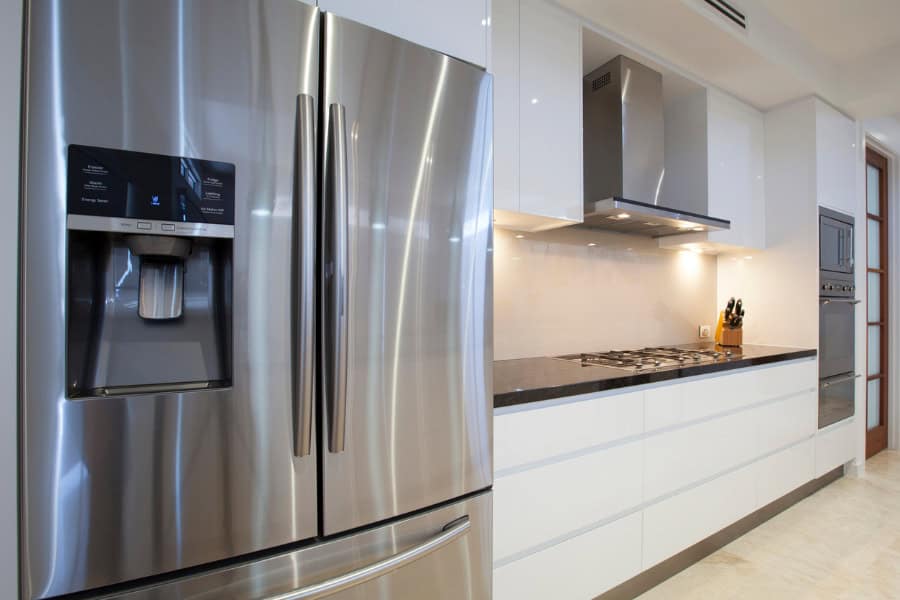
A proper refrigerator water filter matters for more than taste.
It helps keep your water clean, reduces unwanted smells and even supports the performance of the appliance itself.
It’s also why so many shoppers look for dependable replacement refrigerator water filters, like the 4396508 filter model, specifically for Whirlpool fridges.
Replacement isn’t about buying whatever fits; it’s about getting a filter that actually does its job.
This guide explains what refrigerator filters really do, why replacements matter and how to choose one you can trust.
What a Refrigerator Water Filter Actually Does and Why It Matters
A fridge filter may look simple, but inside it, a few layers of filtration are working quietly every time you grab a glass of water.
Most models use a combination of activated carbon and mechanical filtration.
The carbon traps impurities through adsorption, basically pulling contaminants toward the carbon surface while the mechanical layer screens out sediment and tiny particles that shouldn’t be floating around in your glass.
These filters typically help reduce:
- chlorine
- sediment and sand
- some heavy metals
- unpleasant taste and odor
- particulates from your plumbing
Clean water isn’t only nicer to drink. It keeps your ice from turning cloudy or tasting metallic and it helps the dispenser run smoothly instead of coughing out slow, uneven streams.
When your fridge has a clean filter, the whole system feels fresher and more reliable.
OEM vs Generic/Aftermarket Filters: Pros & Cons
Shoppers often end up comparing OEM filters with aftermarket ones, especially when prices vary a lot. Generic or aftermarket simply means the filter isn’t made by the refrigerator brand. OEM means it’s produced or approved by the original manufacturer.
OEM Filters
Pros:
- Designed to fit perfectly
- Reliable sealing
- Usually certified to NSF/ANSI standards
- Consistent contaminant reduction
Cons:
- Often more expensive
- Limited selection
Generic/Aftermarket Filters
Pros:
- More affordable
- Some high-quality brands offer NSF-certified options
- Widely available
Cons:
- Quality varies a lot
- Some may not seal tightly
- Not all generics remove the same level of contaminants
- Certification claims can sometimes be unclear
A good aftermarket filter can work perfectly fine if it comes from a reputable brand with verified testing. The key is choosing wisely instead of grabbing the cheapest pack available.
People often ask me, “How do I know which water filter fits my refrigerator?”
The truth is that it’s far easier than it seems once you know where to look.
1. Check the Refrigerator Model Number
There’s usually a label inside the fridge along the wall, behind a drawer, or near the door seal.
That number helps identify the exact filter your model requires.
2. Check Your Current Filter’s Part Number
Most filters have a number printed right on the cartridge. It might be something like:
- 4396508
- 4396510
- Tier1
These numbers guide you toward the correct replacement.
When in doubt, I always say match the part number, not just the shape.
3. Use Online Compatibility Tools
Retailers often provide cross-reference charts so you don’t have to guess.
A filter can be compatible with several Whirlpool refrigerator series, for example.
4. Installation Basics
I’ve found that replacing a fridge filter usually doesn’t require tools.
Most follow a twist-in or push-in mechanism.
You simply pop the old one out, click the new one in, run a few minutes of water to flush it, and reset the filter indicator if your fridge has one.
Simple steps, but they make sure the system works the way it should.
Is It Really Necessary to Replace Your Refrigerator Filter and When?
Some households stretch their filter longer than they should because the water still looks fine.
But I can tell you, contaminants don’t always show themselves in appearance.
Over time, a filter becomes clogged as it absorbs more particles. This affects everything from taste to water flow.
Why Replacement Matters
- Restores clean taste and odor
- Keeps chlorine and sediments under control
- Prevents clogging and low water pressure
- Protects the fridge’s water and ice system
- Ensures clearer, cleaner ice cubes
The usual guideline is to replace the filter every 6 months or around 200 gallons of water, whichever comes first.
I like to point out that you need to keep in mind that heavy use, hard water, or a big family might mean replacing it sooner.
Signs It’s Time to Replace
- Water starts tasting flat or metallic
- Ice smells bad or melts strangely
- Water flow slows down
- The dispenser becomes noisy
- Cloudy or inconsistent ice cubes
If any of those show up, it’s likely your filter has already reached its limit.

Maintenance Tips & Best Practices
Once you get your replacement filter sorted, a few habits help the system run smoothly:
- Flush the filter for a few minutes after installation to clear air and carbon residue
- Reset your filter indicator so you don’t forget replacement dates
- Keep one spare filter on hand to avoid last-minute rushes
- Replace earlier if the water source in your area has heavy sediment
- Run the dispenser regularly to keep water fresh
I’ve found these small steps make a big difference across the lifespan of the fridge.
Simple Steps, Clean Water
A refrigerator water filter serves two essential purposes.
It improves drinking water taste while safeguarding your fridge system and maintaining water system operation and ice and water purity.
The system operates properly when you select either an OEM filter or an equivalent aftermarket filter.
I’ve learned that the combination of correct part number selection and regular filter replacement and basic maintenance works together to deliver better water taste and extended appliance lifespan.
Before your filter replacement approach, verify compatibility and select a trustworthy brand while performing the replacement at the right time.
The effort to maintain clean water delivery is minimal, yet it provides significant value.
FAQs
Q1. Can I use a generic filter in my Whirlpool?
A. Yes, but I suggest choosing one with proper certification and a proven track record. Not all generics seal or filter equally.
Q2. How do I know which filter fits my refrigerator?
A. Check your refrigerator model number or the part number printed on your current filter. Match the part number to avoid confusion.
Q3. What happens if I don’t replace the filter?
A. Taste and smell decline, flow becomes slower, and contaminants build up. It can strain your fridge’s water and ice system over time.
Q4. Is OEM always better than generic?
A. OEM is more consistent, but I’ve seen high-quality aftermarket filters work just as well when they’re fully certified and match your fridge model.
Leave a comment