
Moving to a new home can feel like a daunting task, a complex symphony with countless moving parts.
The thought of disassembling, packing, and transporting an entire household or office can overwhelm even the most organized person.
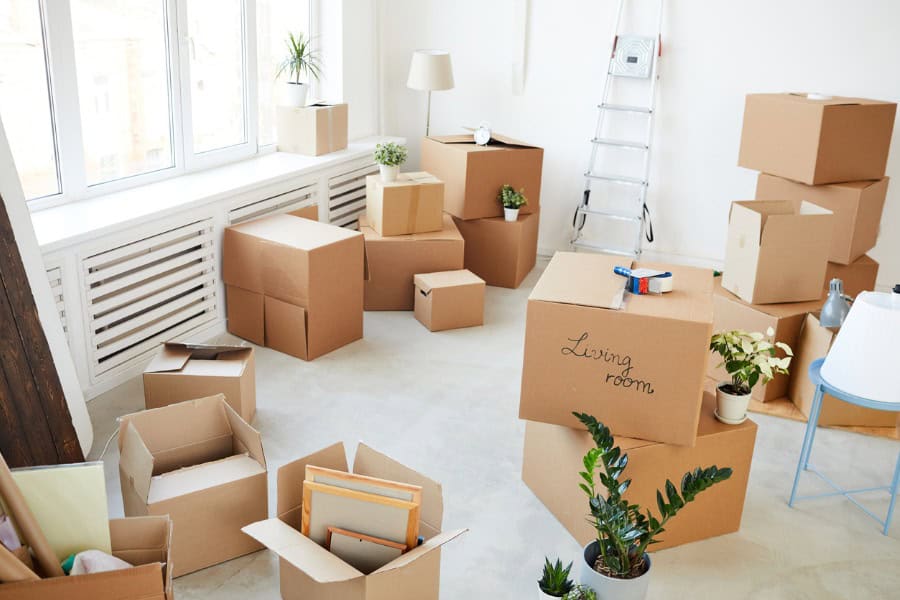
This is especially true for long-distance moves, where the expertise of cross-state movers is invaluable.
Studies show that moving is one of life’s most stressful events.
Much of that stress comes from the fear of the unknown and inadequate preparation.
I know it can feel like too much, but anticipating the needs of your moving team and preparing your space can make everything smoother.
With the right steps, a daunting task can become a remarkably seamless experience.
This guide will walk you through the essential steps before your movers arrive.
It will help you protect your belongings, save time, and create a smooth transition.
What to Expect and How to Prepare
Many people think moving day is solely the responsibility of the hired professionals.
While movers handle the heavy lifting, effective pre-moving preparation is what truly optimizes the process.
Preparation is more than putting items in boxes.
It means systematically organizing, decluttering, and readying your home for the physical relocation.
An efficient move depends on that early diligence.
I’ve seen how much easier everything becomes when you take those steps in advance.
What exactly does thorough preparation look like?
It’s about being proactive, reducing surprises, and giving your movers the best chance to work efficiently.
An organized home can reduce moving time by up to 20 percent.
By understanding what is expected of you, you empower your movers to perform at their best.
Key Steps for Preparing Your Home
The success of your moving day begins long before the truck arrives.
A methodical approach helps ensure nothing is overlooked and allows movers to work without delays.
Declutter and Donate Before the Move
One of the most impactful steps you can take is to declutter. Over half of people who move admit they brought items they later discarded.
Go through each room and decide what you no longer need, use, or want.
Separate items into categories: donate, sell, recycle, or discard.
This reduces the volume of items to move and may even save you money.
It also means you are not paying to transport unwanted possessions.
Organize Important Documents and Valuables
Create a dedicated essentials box or bag that stays with you. Never send it on the moving truck.
This should contain documents like birth certificates, passports, and financial records.
It should also hold medications, jewelry, and sentimental items you want to personally transport.
You will want immediate access to these items upon arrival.
Keep them secured and easy to reach during your personal journey.
Disassemble Furniture and Appliances
Movers are skilled at handling large items, but disassembling certain pieces in advance saves time.
Beds, large shelving units, and some tables often need to be broken down for safe transport.
Confirm with your moving company which items they prefer to disassemble.
Clearly label all parts and place hardware in small bags taped to the furniture.
This proactive step clears pathways and speeds up the loading process.
Create a Safe and Clear Environment for Movers
A safe and accessible environment is crucial for your movers.
Their main goal is to load your belongings efficiently while protecting both items and people.
Create clear pathways from every room to the exit.
Remove tripping hazards such as rugs, cords, or small decor items.
Protect floors in high-traffic areas with temporary coverings or old blankets.
If you live in an apartment, reserve elevators and confirm clearance with building management.
The clearer the path, the faster and safer the work.
The Role of Packing in a Smooth Moving Day
Packing is an art. A well-planned strategy makes all the difference.
The way your belongings are packed directly affects their safety.
It also impacts the efficiency of loading and unloading. Start packing non-essential items weeks ahead of time.
Use sturdy boxes and avoid overloading them. Heavy items like books go in smaller boxes.
Label every box with its contents and the room it belongs in. This helps movers and makes unpacking easier for you.
Fragile items need cushioning and clear “FRAGILE” labels.
I always ask myself, does saving a few dollars on cheap boxes really outweigh the risk of broken heirlooms?
Communicate Effectively with Your Moving Team
Clear communication with your movers is a cornerstone of success. Before moving day, confirm their arrival time and give them a reliable way to reach you.
If certain items need special care or access points are tricky, let them know in advance. Being clear now prevents issues later.
On moving day, be present and ready to answer questions.
A quick walkthrough with the crew chief ensures everyone is on the same page.
Remember, your movers are there to help you. Your communication directly supports their ability to do excellent work.
The Payoff: Why Preparation Works Best with Professionals
When preparation meets professional expertise, relocation becomes seamless.
Their skill in handling heavy, delicate, or complex items combines with your planning to reduce stress.
Your organization increases their efficiency and protects your belongings.
It allows movers to focus on getting everything from point A to point B safely and on time.
In the end, a little planning goes a long way. By taking these steps, you are not just preparing for movers.
You are investing in a faster, safer, and less stressful moving day for yourself and your family.
Don’t leave your belongings to chance. Get ready, and get moving.
Leave a comment