
The spaces we live and work in influence us more than we often realize. A cluttered desk, a sagging chair, or a room filled with mismatched pieces can silently drain your energy and focus.
On the other hand, a thoughtfully designed space can lift your mood and sharpen your motivation.
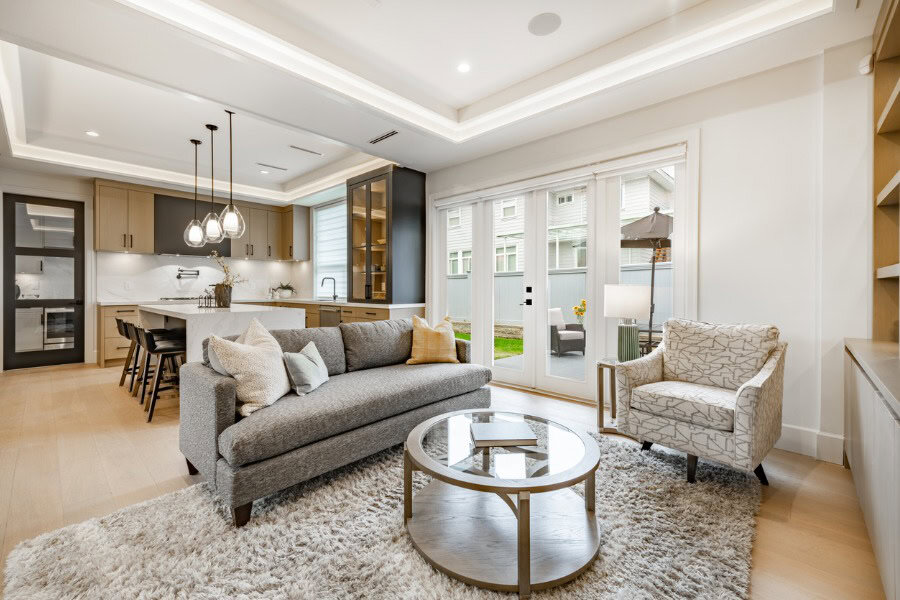
When you walk into a room that feels fresh and aligned with your needs, you notice the difference right away.
Changing your furniture doesn’t just change how a room looks—it changes how you feel and perform. I’ve experienced this firsthand after swapping out just one worn-out chair.
This article explores how small shifts in your furniture choices and placement, paired with decluttering, can transform your environment and, in turn, your life.
The Psychology of Space and Motivation
Your environment impacts your mental state. This principle is central to environmental psychology, a field that studies how surroundings shape behavior.
Bright, organized spaces tend to increase productivity, while cramped or chaotic spaces often lead to stress and procrastination.
Furniture plays a surprisingly direct role in this. A desk that encourages good posture supports focus.
A chair that reduces strain allows you to work longer without discomfort. Even the sight of a tidy, well-arranged room can signal to your brain that it’s time to be productive.
I’ve noticed that even small changes like moving my desk near a window completely shift how I approach my day.
Decluttering: The First Step to Transformation
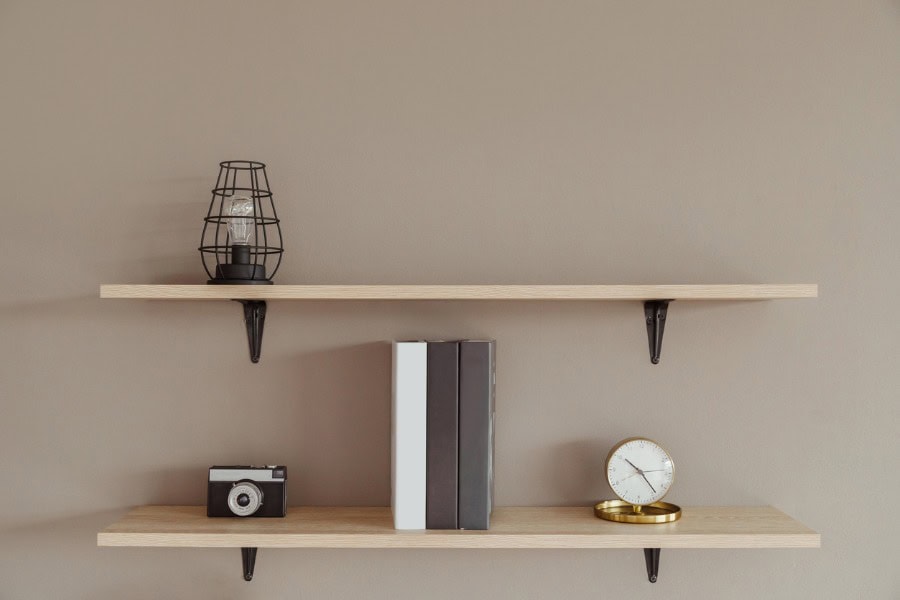
Before you add new furniture, it’s essential to clear out what no longer serves you. Clutter creates visual noise. It steals attention, reduces efficiency, and subtly increases stress levels.
Research has shown that cluttered environments lead to mental fatigue and even discourage goal-setting.
Decluttering is not about stripping your life down to bare walls. It’s about keeping what adds value. Start small. Clear a shelf. Sort through old files.
Donate or recycle items that have been collecting dust. If you’re planning a larger overhaul, like removing bulky furniture or downsizing entire rooms, it can even help to get a moving quote so you’re prepared to handle the bigger pieces without stress.
Practical strategies help:
- One in, one out—for every new item you bring in, remove one you no longer need.
- Storage solutions—bins, shelves, and baskets keep valuable items organized.
- Set time limits—spend 15 minutes a day tackling one spot at a time.
Decluttering feels uncomfortable at first, but the benefits are immediate—less distraction, more focus, and a sense of calm that makes space for motivation to thrive.
Choosing the Right Furniture for Motivation
Once clutter is out of the way, the real transformation begins. Choosing furniture isn’t only about style; it’s about purpose.
Functional furniture supports your daily activities. For example, an ergonomic chair encourages proper posture during long work hours, while a standing desk reduces the strain of sitting all day.
Decorative elements matter too, but they should complement function rather than compete with it.
Color, texture, and material influence mood as well. Warm woods create comfort. Sleek metals signal modern efficiency. Softer fabrics invite relaxation.
Even a simple change like switching to lighter colors can make a room feel more open and energizing. I’ve found that a simple coat of light blue paint or new slipcover can completely refresh how I feel about a space.
The Power of Furniture Placement
Where furniture sits in a room is as important as the furniture itself.
A poorly placed desk may block natural light, while a rearranged sofa could suddenly create a more welcoming living space.
Design principles such as Feng Shui emphasize flow and balance. Even without following traditional rules, you can apply simple adjustments:
- Keep pathways clear.
- Position desks near windows to maximize natural light.
- Avoid overcrowding corners or walls.
The goal is to create a space that feels open, breathable, and easy to move through. That sense of flow encourages both relaxation and productivity.
Creating Purpose-Driven Spaces
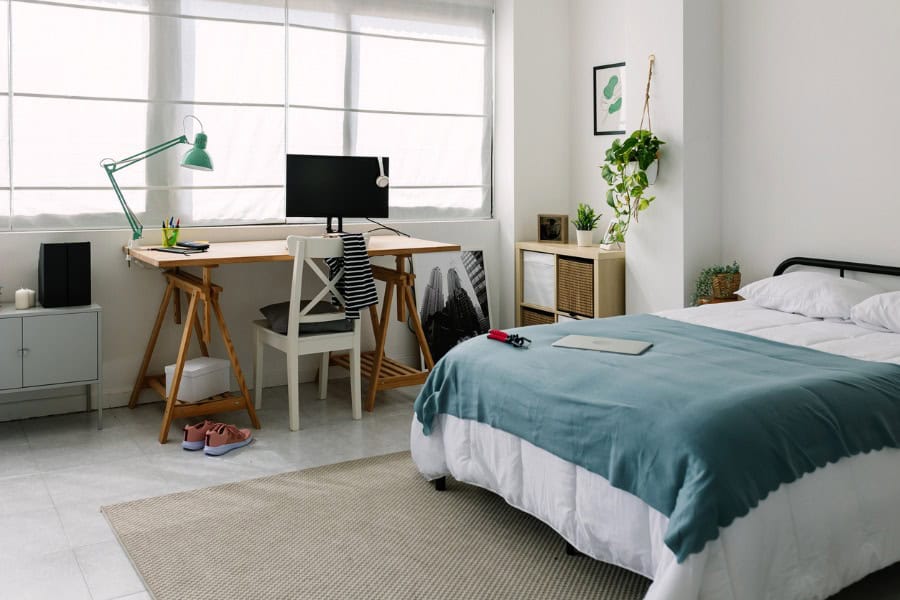
Spaces influence habits. A cozy chair with good lighting invites more reading.
A designated desk reinforces a mindset of focus. A small table by the window can become the perfect spot for reflection or planning.
When arranging furniture, think about the purpose of each area:
- Productivity zone: a desk, a chair, and organized storage.
- Relaxation zone: a comfortable seat, soft lighting, and maybe a plant.
- Social zone: seating arranged for conversation, not television.
By designing with purpose, you create cues that guide your behavior naturally.
Tips for Budget-Friendly Space Transformation
Transforming a space doesn’t require a large budget. A few smart strategies can make a big difference:
- DIY projects: paint old furniture, reupholster a chair, or add new hardware to a dresser.
- Thrift finds: secondhand stores and online marketplaces often have quality pieces at low prices.
- Mix and match: pair existing furniture with one or two new statement pieces for a refreshed look.
Even rearranging existing furniture can breathe new life into a room.
Long-Term Maintenance: Keeping Your Space Motivating
A motivating space isn’t a one-time project. It requires upkeep. Regularly assess what still works and what doesn’t.
Schedule short decluttering sessions every few weeks. Rotate small items like throw pillows or desk accessories—seasonally to keep things fresh.
Most importantly, let your space evolve with your goals. As your needs change, your environment should change too. That flexibility keeps motivation alive.
I remind myself often that the process is ongoing, and that helps me stay consistent with small improvements.
Your furniture and the way it fills your space directly affect your motivation. Clutter drags you down.
Thoughtful choices in furniture and placement can truly transform your space. The process doesn’t have to be overwhelming. Start small, with one chair or one corner, and build from there.
When you transform your space, you set the stage to transform your life. And I believe if I can do it in my own home, you can absolutely make it happen in yours.
Leave a comment