
If your lawn keeps looking tired, patchy, or just vaguely disappointed in you, even though you mow it every week, the reason might be painfully simple: you’re mowing at the wrong height.
Yes, grass has standards!
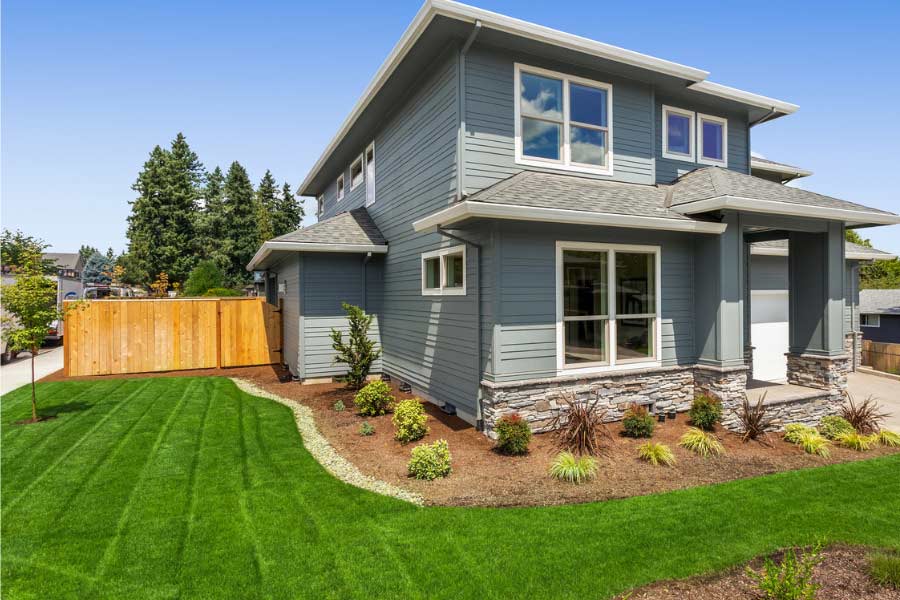
The optimal mowing height affects everything from root strength to how fast weeds show up.
Cut it too low and the lawn goes into survival mode. Leave it too high and suddenly your backyard looks like it’s auditioning for a nature documentary.
In this article, I’ll break down why mowing height isn’t a throwaway detail. It’s one of the biggest factors for a lawn that looks lush, healthy, and polished.
A bit of tech talk, a bit of common sense, no myths, and plenty of practical takeaways.
And hopefully, fewer moments when you look outside and think, “Why does my lawn resemble the world’s saddest welcome mat?”
Why Mowing Height Matters for Curb Appeal and Lawn Health
Grass needs its leaves to make energy. That’s photosynthesis, the same process you learned about in school.
When you scalp it down to nothing, you’re essentially starving the plant.
It gets weak, loses color, and starts thinning out.
This not only affects the lawn’s health but also ruins the appearance of your entire front yard.
Short grass also means exposed soil.
The sun hits it directly, moisture evaporates fast, and roots can’t absorb water quickly enough. Weed seeds love that setup.
Give them sun and warmth at ground level and they’ll sprout everywhere. This creates an uneven, unkempt look that drags down your home’s curb appeal.
Let it grow too tall though, and you get different issues.
Long blades flop over when it rains. Then airflow at the base drops to zero. This creates perfect conditions for fungus.
From a visual standpoint, overgrown grass also makes your property look neglected. This happens even if you’re keeping up with everything else.
The right height sits in the middle.
It keeps roots strong, holds moisture in the soil, and delivers that crisp, manicured appearance. Your home looks well-maintained and inviting.
Different Grasses, Different Ideal Heights
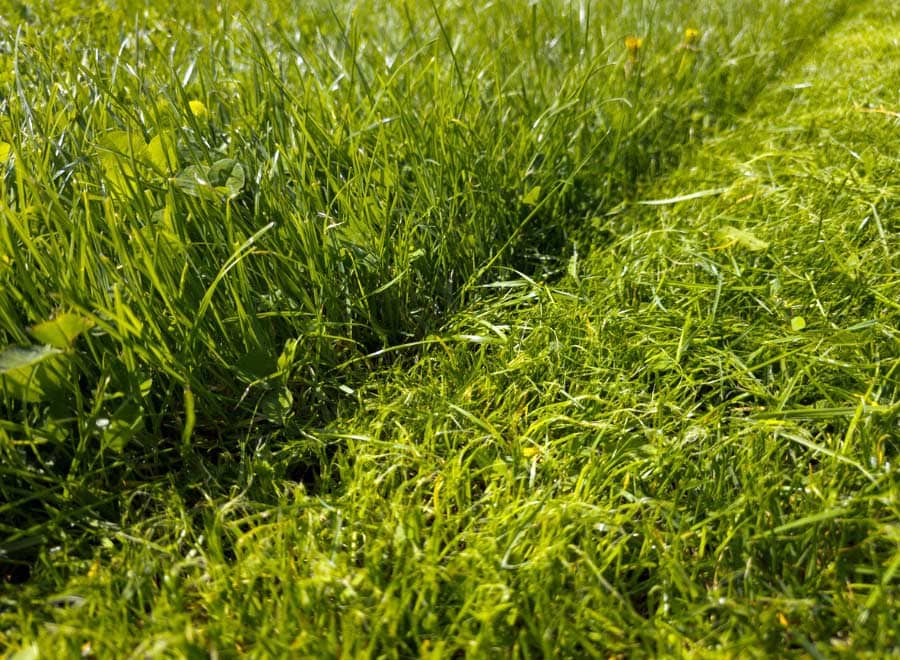
Lawns aren’t a one-size-fits-all project.
The height that keeps a sports field looking sharp won’t necessarily work for a decorative front yard. It also won’t work for a laid-back, meadow-style lawn.
The “right” mowing height always comes back to one thing: the type of grass you’re dealing with.
Kentucky bluegrass stays happiest when you keep it around 5 to 7 centimeters after mowing.
At this height, it forms a tight, resilient turf that handles foot traffic without complaining.
It also maintains that classic, uniform green carpet look that boosts curb appeal.
Fescue prefers a similar range, roughly 6 to 8 centimeters. It’s a great option if you’ve got shade from trees, since it tolerates low light better than most.
Its fine texture also gives your lawn a soft, refined appearance.
Ryegrass grows fast and is a common pick for sports fields.
You can safely cut it a bit shorter, around 4 to 6 centimeters. Don’t go lower unless you’re trying to punish it.
This grass type is known for its vibrant green color. That makes it ideal for high-visibility areas like front lawns.
Warm-season grasses like creeping bentgrass or Bermuda grass are the rebels of the group.
They’re perfectly fine with a low cut of 2 to 4 centimeters. But they’re also higher-maintenance.
They need more watering, more feeding, and aeration on a regular basis.
The payoff is a dense, golf-course-quality finish that looks stunning when maintained properly.
Not sure what’s growing in your yard?
If you planted the lawn yourself, check the seed packaging. If not, ask the previous homeowners or snap a photo and show it to a garden center specialist.
The One-Third Rule
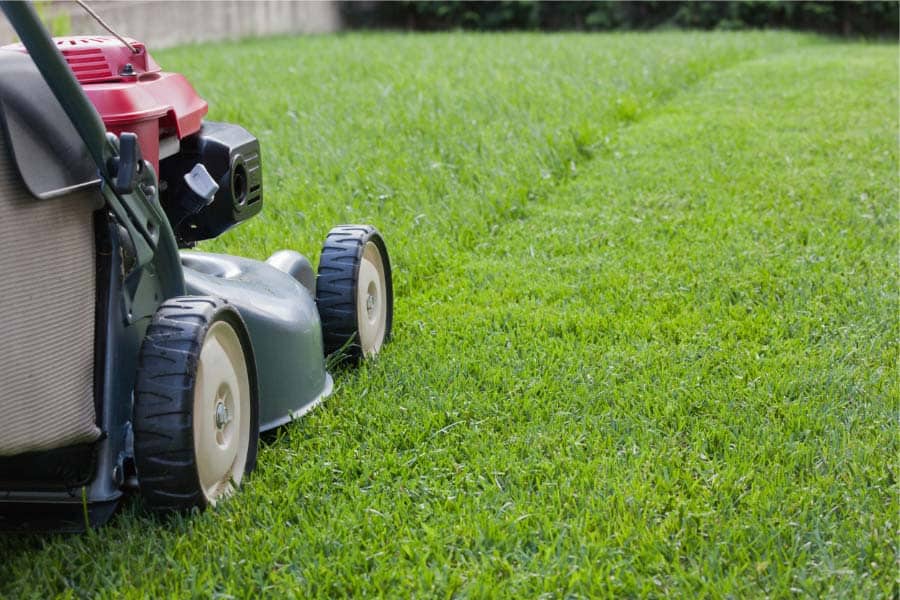
There’s one lawn-care rule that never goes out of style: never cut off more than one-third of the grass height at once.
It sounds simple, but it’s the reason your turf stays healthy rather than stressed-out and patchy.
It’s also the secret to keeping your lawn looking full and lush instead of sparse and beaten-down.
Keeping your lawn mower blades sharp also helps minimize stress. Dull blades rip the grass instead of cutting it cleanly.
A better strategy is frequent, lighter mowing.
If the grass reached 9 centimeters, bring it down to 6. If it stretched to 12, mow it to about 8.
This keeps the turf strong. It also prevents clumps of clippings from sitting on top and creating yellow spots. Those spots ruin your lawn’s otherwise uniform appearance.
The rule becomes especially important in spring, when growth speeds up, and in early fall.
Before the last cut of the season, leave the lawn slightly taller, around 7 to 8 centimeters. This way it can head into winter in better shape and emerge looking fresh in spring.
Adjusting Mowing Height by Season
Your lawn doesn’t grow the same way throughout the year, so the mowing height shouldn’t stay the same either.
Once the heat settles in, cutting the lawn too short usually does more harm than good.
Leaving it slightly taller helps the soil hold moisture and keeps the roots from baking in the sun.
From a visual perspective, taller grass during summer also maintains that rich green color. It won’t fade to brown and straw-like.
By autumn, the lawn’s main job is storing as much energy as it can before winter.
A bit of extra height helps with that too.
Most people do the last mow in October or November. It depends on the region.
The only thing to avoid is leaving the grass too tall. Long blades tend to fold under snow and create a messy, flattened surface in spring. It looks terrible once the thaw hits.
Early spring is the “wake-up” phase.
For the first cut, keeping it around 5 to 6 centimeters is enough. Just tidy things up without shocking it.
This light trim gives your yard an instant refresh. It signals that your property is being cared for. That makes a strong first impression as the weather warms up.
Sharp Blades Make All the Difference
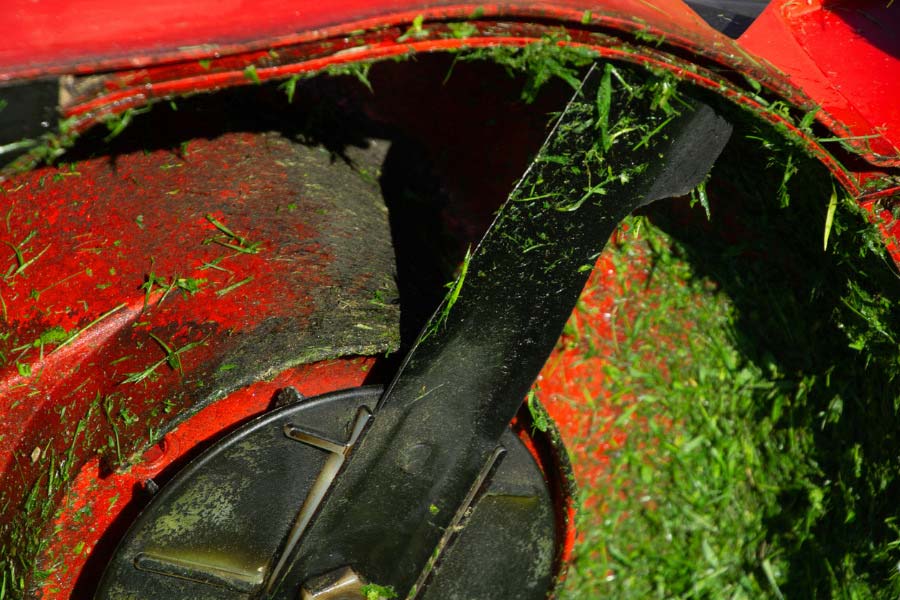
You can follow every mowing-height rule perfectly. But if the blades on your mower are dull, the end result will still look rough.
Dull blades don’t actually cut the grass. They tear it.
And the lawn shows it immediately: brown, frayed tips and an overall “something went wrong here” appearance. No amount of watering or fertilizing can fix it.
Some people skip the sharpening altogether and just replace the blades at the beginning of the season. That works fine if the old ones are already worn down.
If you’re not sure where to get reliable replacements, UDC Parts carries a wide range of components for lawn equipment.
This includes different types of mower blades, so finding the right match for your model is less of a headache.
Sharp blades deliver clean cuts that heal faster. They give your lawn that crisp, professional look that makes your home stand out on the block.
Common Mistakes to Avoid
Even experienced lawn owners slip up sometimes. Here are the mistakes that show up most often:
Mowing wet grass:
It clumps, sticks to the deck, and the cut comes out uneven. The mower labors through it and you get a messy result that looks sloppy and damages the turf. Wait until it dries.
Same pattern every time:
Mow north-to-south every week and the grass will lean that direction. This creates visible stripes and an uneven texture.
Change it up: lengthwise one week, crosswise the next, diagonal after that. This keeps the lawn looking balanced and professionally maintained.
Leaving clumps:
A thin layer of clippings is fine. They decompose and feed the lawn. Piles are not fine.
They block sunlight and kill the grass underneath. This leaves dead spots that ruin your lawn’s smooth, uniform appearance. Rake them if they form.
Mowing at noon:
The grass is already stressed from heat. Adding mowing on top doesn’t help and often results in a dull, faded look.
Go early morning or evening instead for better results and better color retention.
A Better-Looking Lawn Starts with Better Mowing
A beautiful, eye-catching lawn isn’t about mowing more often. It’s about mowing smarter.
The right height, sharp blades, and a bit of seasonal adjustment work far better than any expensive fertilizer.
They work better than that “amazing” gardener you hired on your neighbor’s recommendation.
When you cut the grass the way it likes, it grows thicker, handles stress better, and looks incredible.
It becomes the kind of lawn that makes people slow down as they drive past your house.
Most problems people blame on “bad soil” or “the weather” usually come down to two simple things: mowing too short or using dull blades.
Fix those, and your lawn will stop being dramatic and start behaving like a proper lawn.
One that actually enhances your home’s appearance and makes you proud when guests pull up.