
High-traffic areas are the hardest-working spaces in any home.
Entryways, hallways, living rooms, kitchens, and staircases experience constant foot traffic, furniture movement, and daily wear.
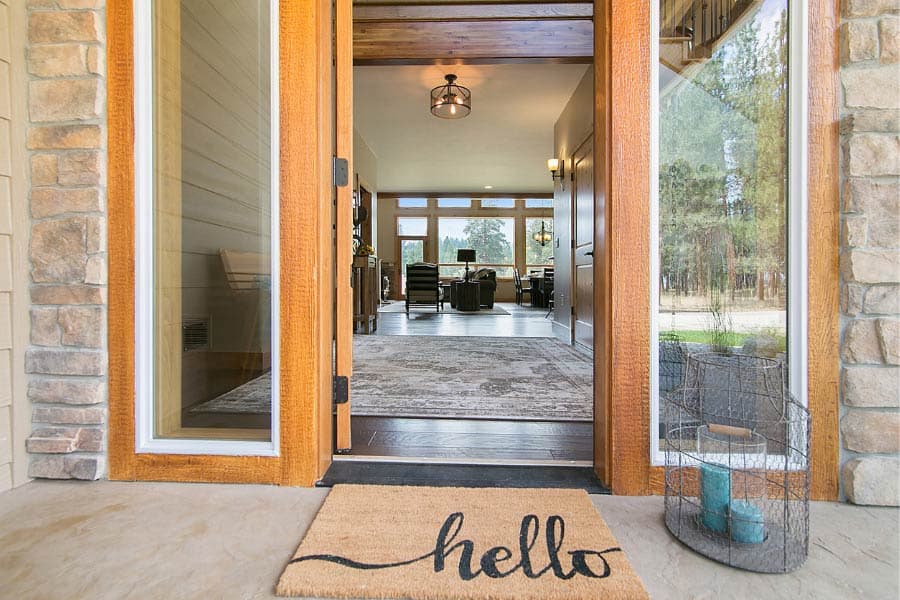
Over time, these spaces can show scuffs, scratches, and general deterioration, especially if your décor and materials weren’t chosen with durability in mind.
But here’s the good news:
Reducing wear and tear in these areas doesn’t mean sacrificing style.
With thoughtful décor choices and a few strategic DIY upgrades, you can protect your spaces while keeping them visually appealing.
From rugs and runners to wall protection, finishes, and furniture placement, smart design decisions can dramatically extend the life of your high-use areas.
According to professionals who deal with these concerns daily, long-term maintenance issues often stem from avoidable design decisions in high-traffic areas.
Thoughtful material choices (such as durable finishes, protective décor elements, and intentional layouts) can significantly reduce ongoing maintenance needs while preserving your home’s visual appeal.
Rugs and Runners: Your First Line of Defense
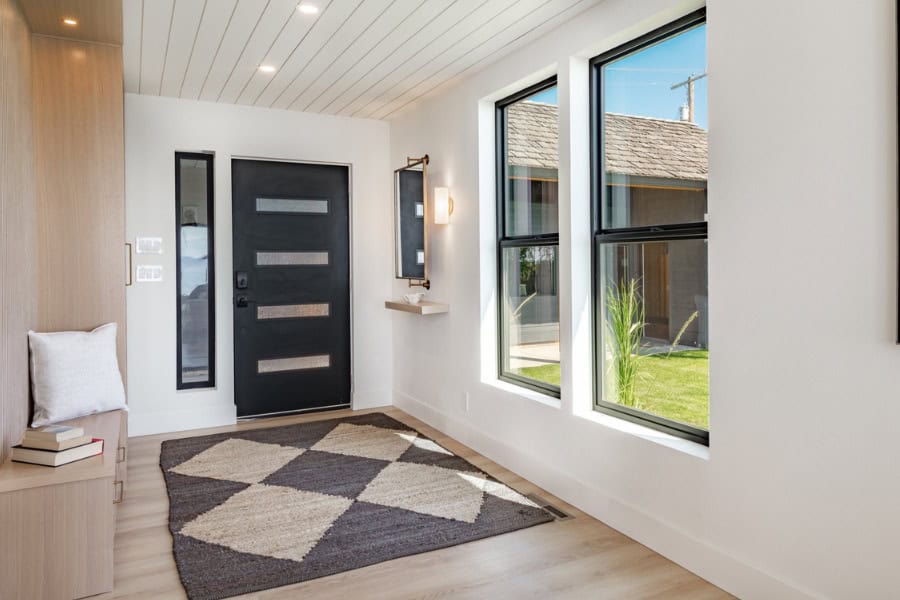
Entryway Rugs
The entryway is the most important place to start when you’re addressing wear and tear.
A durable rug placed just inside the door captures dirt, grit, and moisture before it spreads throughout your home.
Look for:
- Low-pile or flatweave rugs
- Washable or easy-clean materials
- Dark or patterned designs that conceal stains
Using a non-slip rug pad underneath prevents shifting and curling, which can lead to uneven wear or tripping hazards.
Hallway and Stair Runners
Hallways and staircases experience some of the most concentrated foot traffic in your home.
Runners help protect your flooring while adding softness and visual continuity.
Best options include:
- Synthetic fibers like nylon or polypropylene
- Tightly woven constructions that resist crushing
- Neutral or patterned designs that hide wear
DIY tip: Secure runners with carpet tape, stair rods, or adhesive strips to prevent movement over time.
Wall Protection That Blends with Your Décor

Durable, Washable Paint Finishes
Walls in high-traffic areas are frequently touched, brushed, or bumped.
Choosing the right paint finish makes a noticeable difference in your long-term upkeep.
I recommend these finishes:
- High-gloss paint in kitchens, bathrooms, and laundry areas
- Satin or semi-gloss for hallways and stairwells
- Scrubbable paints designed for high-use areas
- Mid-tone neutrals that disguise marks better than bright white
These finishes allow you to clean easily without frequent repainting.
Chair Rails and Wainscoting
Decorative wall treatments can serve both aesthetic and functional purposes.
Chair rails and wainscoting protect your walls from furniture impact and repeated contact.
Benefits include:
- Added architectural interest
- Protection in dining rooms and corridors
- Easier spot repairs or repainting
DIY-friendly kits and MDF trim make this upgrade accessible without major renovation work.
Flooring-Friendly Furniture Placement
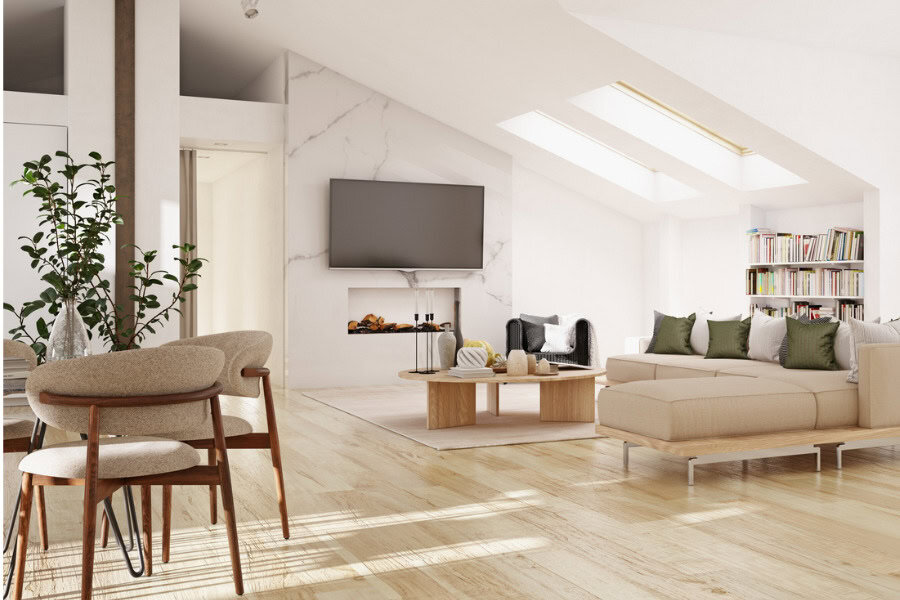
Create Clear Traffic Paths
Poor furniture layouts can funnel foot traffic into narrow lanes, increasing wear in specific spots.
Strategic placement encourages smoother movement and distributes traffic more evenly across your floors.
Design strategies you should use:
- Keep walkways open and intuitive
- Avoid blocking entry points
- Use area rugs to guide circulation
This approach reduces pressure on your flooring and extends its lifespan.
Use Furniture Pads and Glides
Furniture that shifts over time can scratch or dent your floors.
Felt pads and glides are simple additions that provide significant protection.
Best practices:
- Replace pads as they wear down
- Use heavy-duty glides for larger pieces
- Match pad type to your flooring material
These small upgrades prevent long-term surface damage to your floors.
Durable Finishes That Hold Up Over Time
Flooring Sealants and Surface Protection
Your wood floors and other hard surfaces benefit from protective finishes that resist abrasion and moisture.
DIY-friendly options I’ve found work well:
- Water-based polyurethane for easy application
- Satin or matte finishes that hide scratches
- Maintenance coats in high-traffic zones
Protective finishes help preserve your floor’s appearance while minimizing visible wear.
Smart Fabric and Upholstery Choices

Performance Fabrics for Seating
Seating in high-traffic areas should be upholstered with durability in mind.
Look for:
- Performance or stain-resistant fabrics
- Tight weaves that resist pilling
- Removable or washable covers
These materials maintain their look longer and simplify your cleaning routine.
Slipcovers for Flexible Protection
Slipcovers offer an easy way to protect your furniture while allowing design flexibility.
They’re especially useful in family rooms or shared spaces.
Benefits include:
- Easy laundering
- Affordable replacement
- Seasonal décor updates
Replacing a slipcover is far more cost-effective than reupholstering your worn furniture.
Protecting Your Investment Long-Term
High-traffic areas don’t have to look worn down or feel uncomfortable.
With the right combination of protective décor, durable materials, and smart furniture placement, you can maintain both style and function in your busiest spaces.
Start with one room and apply these strategies gradually.
Even small changes like adding rugs, switching to washable paint finishes, or using furniture pads can make a noticeable difference in how your home wears over time.
The goal isn’t to make your home feel untouchable; it’s to create spaces that can handle real life without constantly needing repairs or replacements.
Which high-traffic area in your home needs attention first?