
Owning a home comes with the responsibility of keeping it safe, efficient, and comfortable throughout the year.

A useful Honeywell security code reference guide can help homeowners understand alarm system notifications, user codes, and troubleshooting information, making it easier to maintain a reliable home security setup as part of a complete home maintenance strategy.
By staying proactive and addressing small issues before they become major problems, you can protect both your property and your investment.
Prioritizing Home Security
Home security is one of the most important aspects of maintaining a functional home.
Regularly testing alarm systems, replacing backup batteries, and checking sensors can help make sure your system performs properly when you need it most.
Many homeowners install security systems but rarely review their settings or learn how to interpret alerts and codes.
I think understanding how your security system operates is one of the smartest things you can do as a homeowner.
It allows you to respond quickly to notifications and avoid unnecessary service calls when minor issues come up.
Inspecting Doors and Windows
Doors and windows serve as the first line of defense against both intruders and weather-related damage.
Routine inspections can help you identify worn weatherstripping, loose locks, damaged frames, or gaps that reduce energy efficiency.
Small maintenance tasks like tightening hardware or replacing worn seals can do a lot for your home’s security and comfort.
These simple projects are often inexpensive but can prevent larger repair costs down the road.
It’s also worth noting that well-maintained doors and windows do wonders for your home’s overall look and feel, both inside and out.
Fresh weatherstripping, clean frames, and polished hardware are small details that quietly make a home feel more put together.
Maintaining Essential Safety Devices
Smoke detectors and carbon monoxide detectors should be tested regularly to make sure they stay operational.
Many manufacturers recommend testing devices monthly and replacing batteries at least once a year.
You should also check the age of each device and replace units that have reached the end of their recommended lifespan.
Reliable safety equipment provides early warning during emergencies and plays a key role in protecting everyone in your home.
Monitoring Plumbing Systems
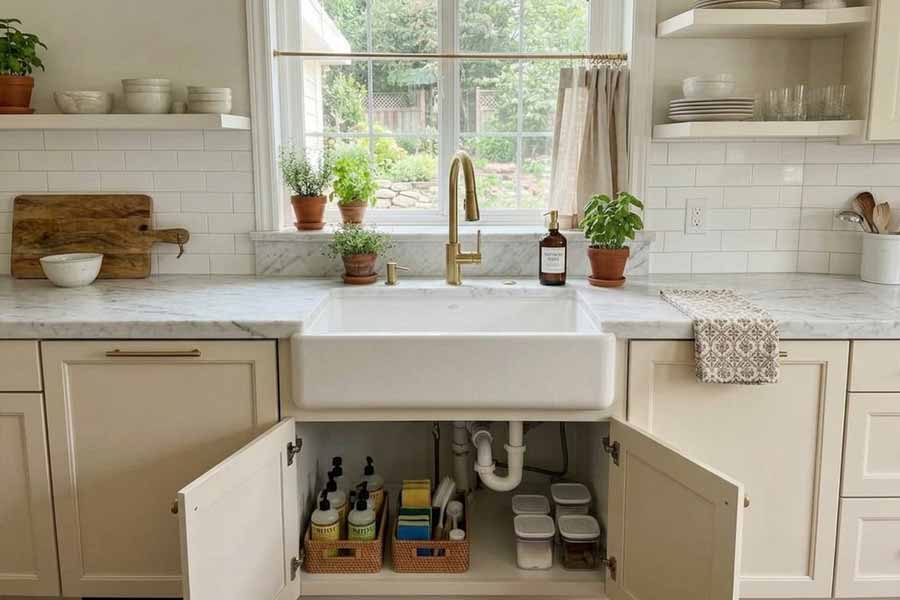
Plumbing issues often begin as small leaks that can go unnoticed for weeks or months.
Regularly inspecting faucets, exposed pipes, water heaters, and under-sink connections can help you catch problems before significant damage occurs.
Water damage is one of the most expensive repair issues homeowners face.
By addressing minor leaks quickly, you can reduce the risk of mold growth, structural damage, and costly restoration projects.
I’ve seen how a simple leak left unchecked can cause real damage to beautiful cabinetry, flooring, and walls, so it’s always worth taking a few minutes to check under the sink and around appliances.
Keeping Electrical Systems in Good Condition
Electrical systems need periodic attention to maintain both safety and functionality.
You should inspect outlets, switches, and visible wiring for signs of wear, discoloration, or unusual odors.
Circuit breakers should also be checked from time to time to make sure they’re functioning properly.
If lights flicker frequently or breakers trip repeatedly, calling a qualified electrician is really the safest way to go.
Caring for Heating and Cooling Equipment
Heating and cooling systems work hard throughout the year and benefit from routine maintenance.
Replacing air filters regularly improves airflow, supports efficiency, and helps keep your indoor air quality in good shape.
Seasonal inspections can identify worn components before they lead to breakdowns during extreme weather.
Preventive maintenance often extends equipment lifespan while keeping your long-term operating costs down.
I’d also add that good airflow and a well-maintained HVAC system quietly contribute to how comfortable and fresh your home feels day to day, which matters just as much as how it looks.
Protecting Outdoor Areas
Exterior maintenance is just as important as indoor upkeep.
Your walkways, driveways, decks, and outdoor lighting should be inspected regularly to identify safety hazards that could lead to accidents.
Landscaping also plays a role in your home’s safety and security.
Trimming overgrown shrubs near windows and entrances improves visibility while reducing potential hiding spots around your property.
Well-kept outdoor spaces also do a lot for your home’s curb appeal, and I’ve always found that a tidy, thoughtfully landscaped exterior sets the tone for everything inside.
A few well-placed plants, clean pathways, and good lighting can make your home feel warm and welcoming before anyone even steps through the door.
Creating a Maintenance Routine that Works for You
One of the most effective ways to stay on top of home care is by setting up a maintenance schedule that works for your lifestyle.
Dividing tasks into monthly, seasonal, and annual categories helps you manage responsibilities without feeling overwhelmed.
Keeping records of inspections, repairs, and upgrades is also a really good habit to get into.
Detailed documentation gives you a helpful reference for future maintenance decisions and can add real value when it’s time to sell your home.
A safe and functional home doesn’t require constant renovations or expensive upgrades.
It comes down to consistent attention to essential systems, regular inspections, and timely repairs.
By following a practical maintenance routine and staying informed about your home’s key systems, you can create a secure, efficient, and comfortable living space that works beautifully for your family for years to come.
Leave a comment