
Increasing energy prices and changing environmental issues have caused many homeowners to rethink the way their property handles sunshine and retains warmth.
The effect of windows on your overall efficiency is surprisingly large since old glass or improperly insulated frames can allow substantial heat transfer.
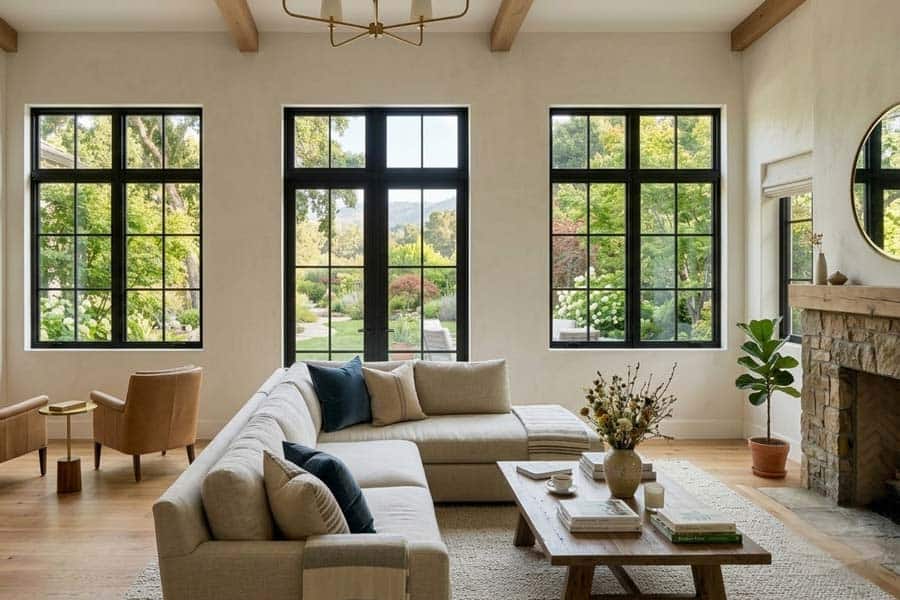
You can enhance the efficiency of an update through careful planning, so your comfort will rise as your utility costs decrease gradually.
One of the most common approaches during renovation works is researching replacement windows, particularly when your existing units show traces of drafts, condensation between panes, or broken seals.
When looking at modern replacements, you’ll often find major improvements in durability, insulation, and noise dampening.
Selecting carefully will ensure that your investment has long-term benefits instead of merely a new appearance.
In this post, I’m going to walk you through the key factors to consider when upgrading your windows for better energy efficiency.
Understanding Why Windows Affect Your Energy Use
Glass surfaces have an impact on how your building responds to external temperatures.
Poor glazing allows cold air to enter and indoor heat to escape during winter.
Summer sunlight can create similar problems in reverse, allowing unwanted heat to accumulate indoors.
Layered glass, inert gas filling, and precisely constructed frames are some of the ways that improved window systems solve these problems.
Improved insulation contributes to stable interior conditions by slowing heat transfer.
As a result, your energy usage gradually decreases as your heating and cooling equipment runs less frequently.
Upgraded units can boost comfort in addition to efficiency.
Improved sealing prevents dust and outside noise, and fewer drafts eliminate cold patches close to outside walls.
After installation, you’ll frequently notice these advantages right away.
Design tip: Once you eliminate those cold spots near windows, you can finally place furniture where you want it. That cozy reading nook or window seat you’ve been dreaming about becomes actually comfortable year-round.
Selecting Styles That Complement Efficiency
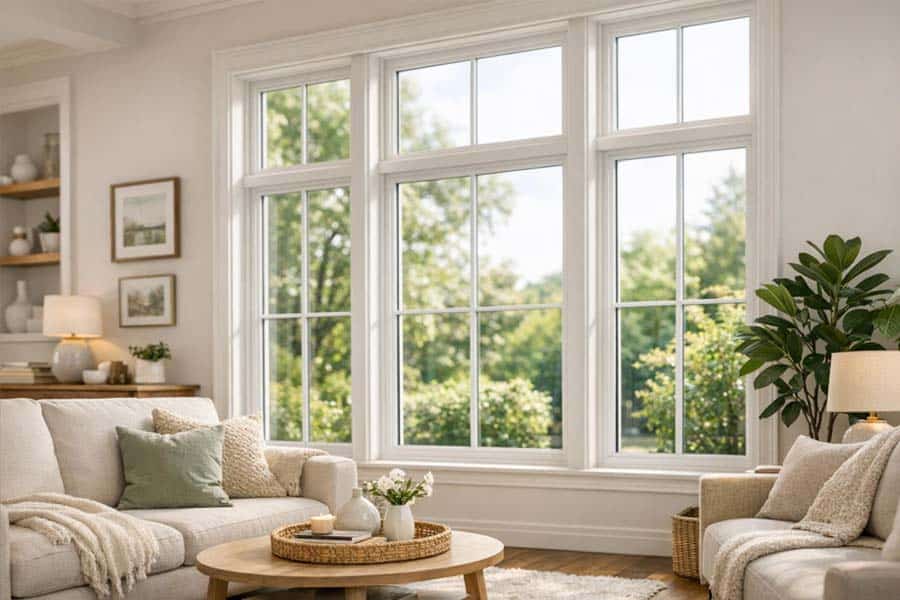
Shape and configuration have an impact that goes beyond visual appeal.
While some types focus on insulation and weather resistance, others offer superior airflow.
For instance, casement designs seal tightly because when closed, the sash presses firmly against the frame.
Sliding units are convenient, but in order to maintain thermal performance, they may need extra sealing technology.
Tilt and turn variants are a popular option in colder climates because they combine robust compression seals with flexible ventilation.
Architectural harmony is still important.
Traditional homes may suit classic dimensions, although contemporary constructions frequently benefit from larger windows and minimal framing.
When you match style and performance, the final product looks suitable and produces real efficiency advantages.
Style note: If you’re going for a modern farmhouse or Scandinavian look, black-framed windows can make a dramatic statement while still delivering excellent energy performance. They create beautiful contrast against white walls and bring an updated feel to traditional spaces.
Choosing Advanced Glazing Options
Double and Triple Pane Construction
A single sheet of glass is rarely used in modern glazing.
Heat transfer is greatly reduced by double-glazing systems, which have two layers divided by a sealed area.
For even more robust insulation, triple-pane options add a third layer.
Sound reduction is further enhanced by additional panes.
A peaceful living environment is created when busy streets or neighborhood activity are less evident indoors.
Bonus for decorators: Better sound insulation means your home office, music room, or meditation space can actually serve its purpose without exterior noise interrupting. It’s one of those upgrades that enhances how you use each room.
Low Emissivity Coatings and Gas Filling
Glass surfaces can be coated with special materials to help reflect heat toward its source.
The interior of your house stays warm throughout winter.
In hotter climates, the same technique deflects sunlight away from inhabited areas.
The space between panes is often filled with argon or krypton gas.
Because these gases conduct heat less easily than regular air, the glazing system’s insulating barrier is strengthened.
Protect your interiors: Low-E coatings also protect your furniture, artwork, and textiles from UV damage. That means your carefully curated vintage rug or that beautiful velvet sofa won’t fade as quickly in sunny rooms.
Considering Frame Materials Carefully
Although glass gets a lot of attention, frame materials have an equally significant impact on efficiency.
Conventional wood has a pleasing appearance and provides natural insulation.
However, to avoid weather damage, it needs to be maintained regularly.
PVC frames require less maintenance and offer reliable thermal performance.
Although aluminum designs seem sleek and contemporary, thermal breaks are necessary to stop heat transfer.
Composite materials provide strength, durability, and robust insulation by combining a variety of elements.
Long-term performance, maintenance requirements, and appearance must all be balanced when you’re choosing a frame.
Since each material is affected differently by temperature changes, your climate should be taken into consideration when making this decision.
Evaluating Professional Installation Services
Good-quality products are ineffective if installed incorrectly.
Even the most sophisticated glazing technology can be compromised by gaps surrounding the frame.
Skilled installers know how to properly apply sealing products and measure holes.
Before starting any work, reputable businesses usually do a site examination.
Technicians assess alignment, moisture protection, and wall construction during that visit.
Careful planning ensures that your new units blend nicely with your building shell.
Verifying credentials offers more assurance.
Qualified contractors frequently provide workmanship warranties and hold industry certifications.
These specifics show that they’re confident in their installation techniques.
Timing Your Upgrade for Maximum Benefit
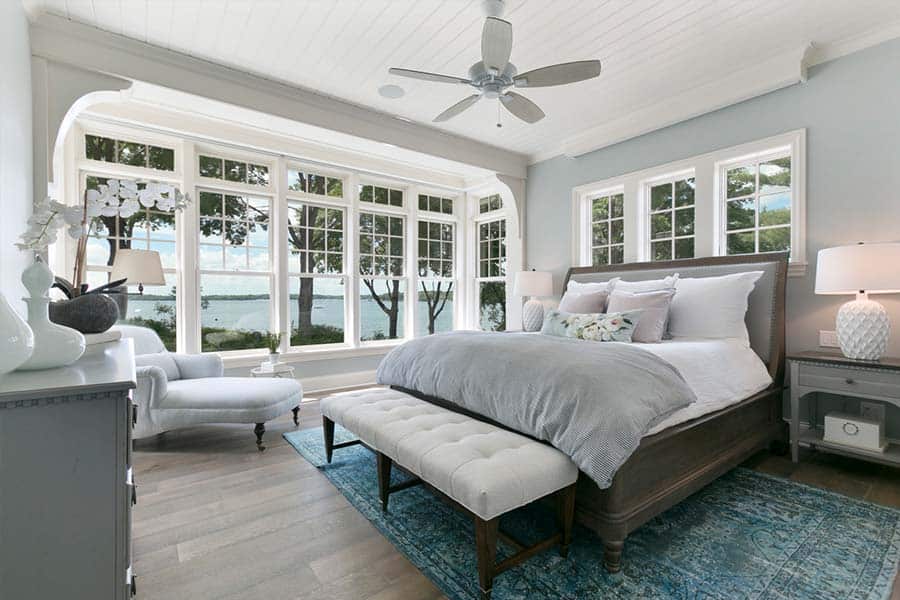
Improvements in energy efficiency are most apparent when they take place before severe weather.
You can get the full benefits right away by replacing inefficient windows before winter or summer.
The practicalities of installation can also be made easier by scheduling improvements during mild seasons.
Mild temperatures minimize disruption within your residence while allowing sealing materials to properly cure.
Scheduling in advance helps you prevent delays that can happen during busy renovation times.
Renovation planning: Consider timing your window replacement with other interior updates.
Fresh windows pair beautifully with new window treatments, and it’s the perfect opportunity to refresh the trim paint or add architectural molding around the frames for extra character.
Looking Beyond Immediate Savings
Energy performance is an important benefit, but there are many other benefits associated with modern window upgrades.
More natural lighting can make your interior spaces better, and improved insulation can increase your property value.
Homeowners often value houses that exhibit thoughtful energy planning.
I’ve found that the upgrade of windows is truly a blend of functionality and comfort.
Design, glazing technology, frame material, and professional installation are strategic decisions that lead to long-term improvements not just in appearance.
With proper planning, you can make a normal renovation an investment that promotes efficiency, comfort, and long-term sustainability.
Leave a comment