
Picture your room. A soft glow of sunlight fills in from the window’s edge.
Macramé wall hangings contrast beautifully with plants in the corner.
Art creates a visual fingerprint of your home.
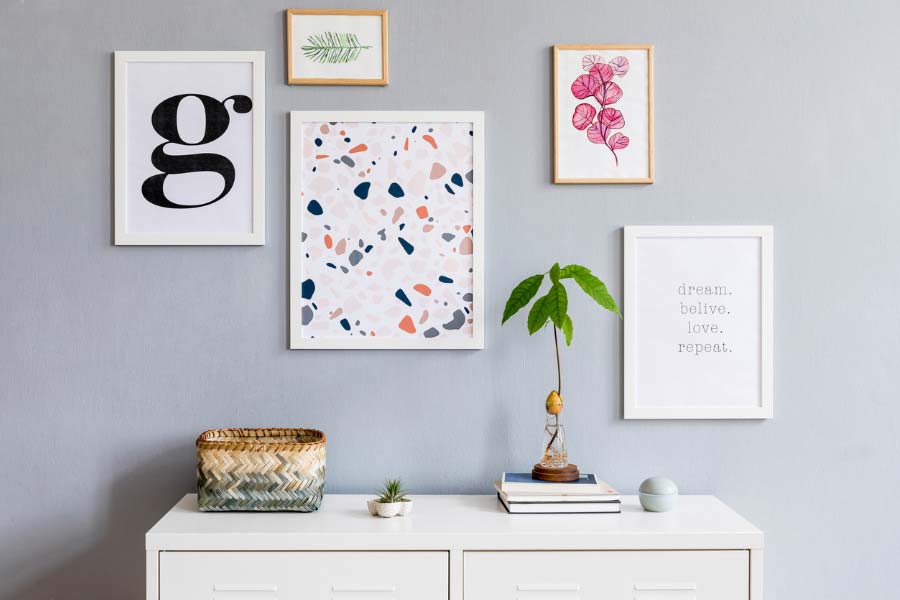
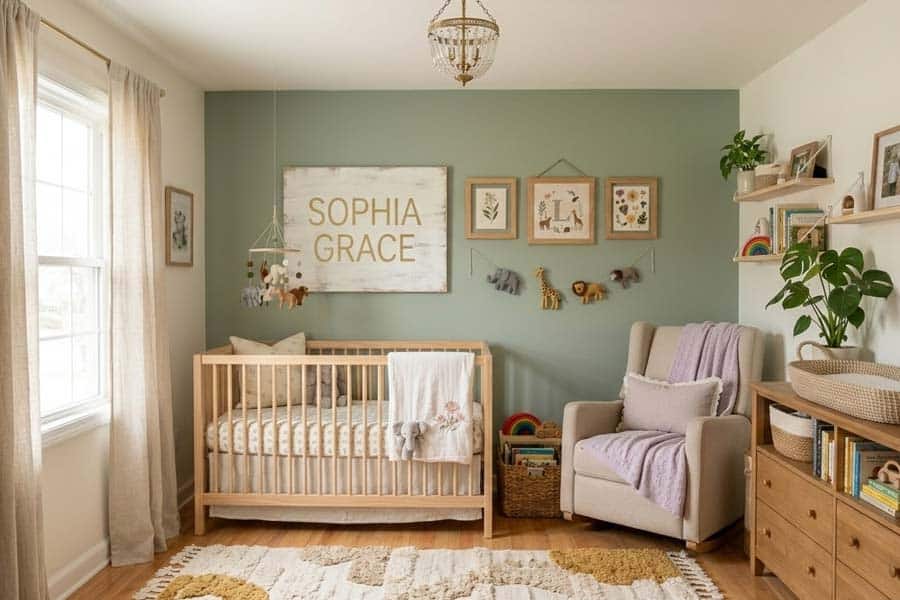
Every decor gives a sense of belonging, such as nursery wall art, which blends comfort and style for your little ones.
Your space can lose its spark without something bold to define it.
Art steps in where comfort ends, giving your walls a voice.
Not every corner needs softness. Some call for color that surprises.
Your personality hides in the details most overlook.
A room breathes easier when it stops trying so hard to please.
Time to let your walls speak. A single piece can shift the whole feel of your room.
Art as the Silent Narrator of Your Space
Art shows your emotions and thoughts in deeply personal ways.
It provides a safe space that can mirror your memories and life experiences.
There’s some kind of healing in artwork that reflects your personal truth.
According to color psychology research, blue tones can reduce stress by up to 10%, while warm colors like terracotta and ochre can increase feelings of comfort and belonging in your home.
Landscape wall art gives you space to exist outside the world of your own, whether in nature or at sea.
Cute art prints and baby-inspired designs for nursery wall art can show your child a galaxy of wonders without going outside their little nook.
When selecting nursery art, experts recommend hanging pieces 36-42 inches from the floor—low enough for your child to see and engage with as they grow.
Remember that each piece represents your feelings and dreams.
When you choose new decor, think about how it can inspire and spark joy in your daily life.
Every piece has a purpose in the same way as artists embed meaning into their work.
Matching Art to Your Room’s Purpose
The key to choosing meaningful wall art is aligning the colors, patterns, shapes, and forms with your desired mood.
First, identify what kind of story you have in mind.
Then, turn that narrative into reality.
Are you the traveler type?
Why not create a beach vacation-inspired gallery?
Or perhaps a collection of canvas and poster designs of flowers, animals, and world maps for your baby’s nursery wall art.
The size, placement, and style of your art prints also matter.
As a general rule, your wall art should take up 60-75% of the available wall space to create visual balance without overwhelming the room.
Small pieces can get lost in a huge room, while wall art pieces at eye level—typically 57-60 inches from the floor—are much more appealing to you and your guests.
Here’s how I transform spaces so they resonate with you the moment you step in.
A. Living Rooms
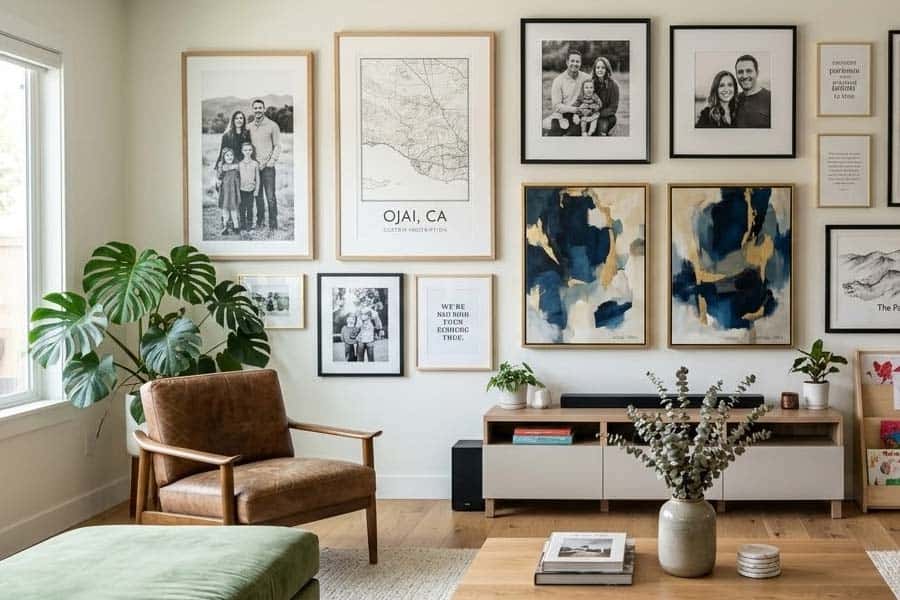
Integrate art into your living space by mixing vintage photographs and contemporary wall art.
You can pull subtle colors from your textiles and objects to create contrast.
This will help blend style and character while maintaining personality in your decor.
Try the “rule of three” when arranging wall art: group pieces in odd numbers for a more dynamic and visually interesting display.
For large living room walls, consider a statement piece that’s at least 40-50 inches wide, or create a gallery wall with 5-7 smaller pieces arranged in a cohesive layout.
B. Bedrooms
Create a personal gallery with wall art linked to a memory as the highlight.
This could be your favorite destination, nature scenes, or floral displays.
For bedrooms, interior designers recommend artwork that’s two-thirds to three-quarters the width of your bed or furniture piece below it.
For nurseries, playful characters invite curiosity for your kids while calm and neutral-toned prints keep your bedroom cozy.
Position artwork 6-12 inches above your headboard or dresser to create proper visual flow without leaving awkward gaps.
C. Kitchens and Dining Areas
Elevate your space where you prepare and consume food.
You can display kitchen and dining wall art that depicts everyday moments.
This could be scenes of family gatherings, a home-cooked meal, or anything that reflects the joy of cooking in your home.
In kitchens, choose artwork with glass or acrylic protection to guard against moisture and grease—or opt for easy-to-clean metal prints that resist kitchen humidity.
Above dining tables, hang art 6-8 inches above the top of a buffet or console, or center larger pieces on the wall at standard eye level.
Where Your Story Begins
Think of a theme, whether you want bohemian, retro, vintage, or anything really!
This will help you start somewhere. And from there, your story will begin.
You can start with a Pinterest-style mood board.
I recommend creating a digital folder or physical board where you collect at least 15-20 images that speak to you—then look for common threads in color, style, or subject matter.
Look for objects that honor your quirks, moments where flaws add character instead of taking away.
These choices open doors to deeper conversations, slowly building bonds through shared stories rather than perfection.
Pro tip: Take photos of your existing furniture and textiles, then use apps like Canva or even Instagram Stories to digitally “test” how different art styles look in your actual space before purchasing.
Something small might catch your eye one day and spark new ideas.
When it does, take that feeling with you as you move ahead.
The Power of Cohesive but Distinct Stories
Want an inviting home?
A unique story translates into a cohesive visual rhythm.
It’s not just about matchy colors or trendy designs.
But it’s more of leaning into your personal style.
Finding the right vibe starts with a quiet thought.
To create visual cohesion, select 3-4 main colors that appear throughout your art collection and repeat them across different rooms—this ties your home together without being too matchy.
Prints pulled from nature tend to calm something deep inside you, whereas shades of warmth can quietly lift how you feel.
Starting fresh might help when matching your space to your tale.
Thoughtful design choices can capture your guests as a writer hooks the reader with a great sense of humor.
For instance, a gallery of landscape wall art featuring where you’ve been is a good conversation starter in your living room.
When creating a travel-themed gallery wall, use consistent frame colors (all black, all natural wood, or all white) to unify different photo sizes and subjects.
Meanwhile, abstract art can create an eclectic personality that is true to you.
Choosing colorful prints from gender-neutral nursery wall art designs can also add whimsy to your room.
Affordable Art and the Freedom to Experiment
Trying new things with how your room looks might stretch what feels familiar.
Different styles mix when you test ideas, letting one idea meet another in surprising ways.
Just because a piece costs less does not make it low value.
Meaning lives inside the lines, shaped by vision, not price tags.
Budget-friendly options include printable art from Etsy (starting at $5-15), thrift store frame makeovers, or even framing fabric swatches or wallpaper samples for unique texture.
You can also rotate seasonal art every 3-6 months to keep your space feeling fresh without major investments—store off-season pieces in acid-free sleeves to protect them.
Consider investing in quality frames for affordable prints—a good frame can elevate even inexpensive art and makes switching out prints easy as your style evolves.
Choosing Art That Feels Personal to You
From wall art down to your furniture pieces and small accessories, choose intentional decor that allows you to freely express yourself.
A story that flows cohesively with thoughtful decor connects to your inner being.
If it doesn’t have character, it won’t resonate well.
Before purchasing any piece, ask yourself three questions: Does this evoke a specific memory or emotion? Will I still love this in five years? Does it complement at least one other element in my room?
Sitting quietly inside you is your way of seeing things differently.
Life shapes what you notice, and how you feel about it matters just as much.
One moment blends into another until something distinct begins to show.
This mix builds a kind of beauty only you could make.
Let Your Walls Tell Your Story
There’s a story behind every artwork.
Every decor reveals layers of yourself.
It’s like framing an important piece of your life into a whole new canvas.
Thinking beyond shape can ground your space.
Art can stand out and stay personal at the same time.
It continues to evolve with time when you choose with intention.
Start with one statement piece or small gallery wall in a high-traffic area, then build your collection room by room as you discover what truly speaks to you.
Maybe your walls speak before you do.
However they talk, quiet prints or bold colors, it’s your voice that matters most.