
No renovation begins without an exciting start, but even minor blunders in planning can result in unpleasant budget shocks, delayed work progress, or design decisions that no longer suit your needs.
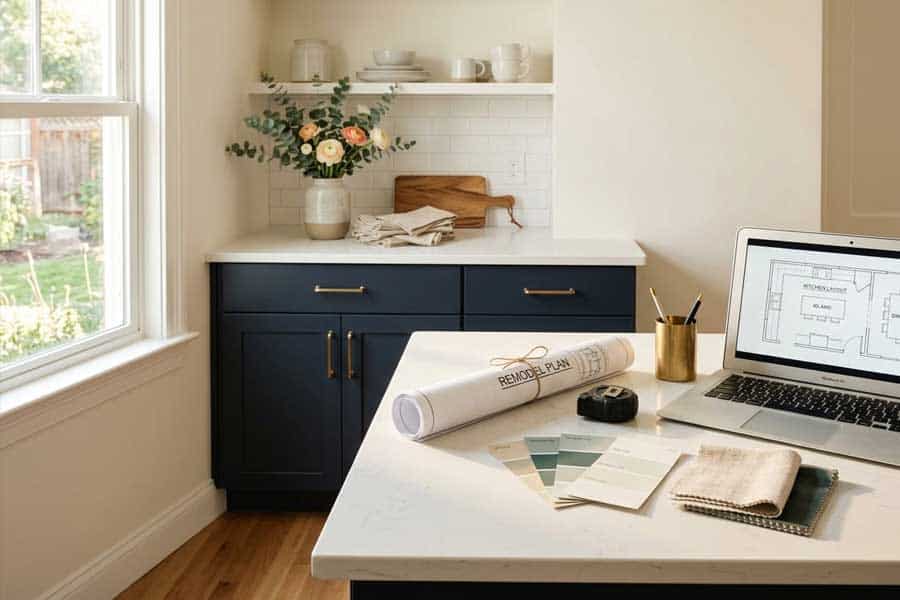
To successfully renovate your house, you’ll want to carefully prepare before starting actual construction work.
Before you start your remodel, taking time to plan each step creates a smoother experience from concept to completion.
I’ve put together the following decisions to help you avoid common setbacks while building a home that better fits your lifestyle.
Define the Purpose of Your Remodel
Every remodeling project should solve some kind of problem, not just improve aesthetics.
You might need additional storage space if your family is expanding, or an outdated kitchen may be causing daily frustration.
Having clear goals will guide each decision you make toward practical solutions that actually work for your home.
Prioritizing certain projects will make communication with professional remodelers easier since everyone understands the goal from the outset.
Helpful ways to clarify your goals
- Write down the three biggest frustrations with your current space.
- Separate essential improvements from optional upgrades.
- Think about how the room should support your daily routines five years from now.
- Consider resale value without sacrificing your personal comfort.
Build a Realistic Remodeling Budget
Your remodeling budget must include more than just visible finish costs.
Labor, permit fees, building materials, demolition, inspections, and surprises from behind the walls all make up your entire remodeling expense.
Having reasonable expectations from the start helps you make decisions without needing to change course during construction.
The National Association of Home Builders (NAHB) reports that a considerable amount of residential construction cost is attributed to materials.
Budget planning tips
- Separate fixed costs from optional upgrades.
- Reserve a contingency fund for unexpected conditions.
- Prioritize investments that improve your daily use.
- Review material choices before construction begins.
Choose the Right Remodeling Contractor Early
Your remodeling contractor is more of a long-term project partner than just a service provider.
Experience, communication, project management, and craftsmanship all affect the end result you’ll live with for years.
Collaborating with an experienced remodeling company will also give you recommendations for designs and construction practices you may never have thought of on your own.
Questions worth asking
- How will project communication take place?
- Who manages subcontractors and scheduling?
- What permits are required?
- How are unexpected project changes handled?
Decide Which Spaces Need the Most Attention
Not all rooms carry equal importance in your home.
Depending on how your house gets used, some rooms will see a bigger impact from improvements than others.
For one family, the kitchen might be the pain point, while for another, it could be the bathroom, the basement, or an extra living area that needs attention.
Ways to establish priorities
- List the rooms you use most frequently.
- Identify areas with poor storage or layout.
- Consider spaces that affect your family’s routines.
- Focus on functionality before cosmetic upgrades.
Select Materials That Balance Style and Durability
The beauty of a surface matters, but its durability deserves just as much of your attention.
Floors, countertops, cabinets, hardware, and paint should suit the overall look of your home while standing up to regular wear and tear.
Selecting surfaces based only on looks could make future maintenance harder than you’d expect.
If you’re aiming for a home that looks and feels beautiful for years to come, this is one of the areas worth slowing down for.
Smart material choices
- Compare maintenance requirements before purchasing.
- Choose finishes appropriate for each room.
- Coordinate colors and textures across connected spaces.
- Invest more in high-use surfaces than decorative accents.
Create a Design That Fits Everyday Life
A beautiful room also needs to be functional, since furniture arrangement, storage, light sources, traffic patterns, and appliance placement all shape how comfortable the final result feels.
Rather than blindly following trends on social media, I’d encourage you to design based on your own needs and wants.
Your home should reflect the way you actually live, not just what looks good in a photo.
Design ideas that improve daily living
- Increase natural light whenever possible.
- Plan storage before selecting finishes.
- Leave comfortable walking space throughout the room.
- Think about your family’s future needs during layout discussions.
Plan for Temporary Living Arrangements
Construction can interfere with your routine activities throughout the entire process.
This might mean you’re unable to use kitchens and bathrooms still under construction, along with certain rooms in your house that are off limits during the work.
Proper planning will help you cut down on stress considerably.
Ways to prepare
- Set up a temporary kitchen if necessary.
- Move valuable belongings away from work areas.
- Create safe spaces for children and pets.
- Discuss the expected construction schedule before work begins.
Understand the Timeline Before Construction Starts
Renovation projects usually move through several distinct steps.
These steps include planning, designing, permitting, material procurement, demolition, construction, inspection, and completion.
Understanding this process will help you maintain realistic expectations, so you won’t feel discouraged if some steps take longer than you anticipated.
Timeline planning strategies
- Confirm major project milestones before work begins.
- Ask about material delivery schedules.
- Understand which decisions require early approval.
- Review progress regularly throughout construction.
Think Beyond Current Design Trends
Home design trends change often, but good remodeling should offer lasting functionality and beauty.
Traditional floor plans, neutral colors, solid construction work, and adaptable spaces tend to leave you more satisfied than highly specific design trends that become outdated fast.
I’d recommend an approach that blends both, timeless bones with just enough personality to feel like yours.
Long-term planning ideas
- Choose classic cabinet styles.
- Use accent colors through décor instead of permanent finishes.
- Invest in durable construction first.
- Create flexible spaces that can adapt over time.
Review Every Detail Before You Start Construction
The final planning stage gives you the chance to confirm drawings, materials, measurements, schedules, permits, and project expectations before demolition begins.

Leave a comment