
That vintage dresser from the flea market looks like a steal, and the pallet wood accent wall seems like the perfect weekend project.
What most crafters overlook, though, is that DIY home decor choices can quietly roll out a welcome mat for unwanted guests.

The materials, placement, and even your storage habits behind popular upcycling projects matter far more than most people realize.
A single overlooked detail can set the stage for a pest infestation that’s far costlier than the original project.
I put this guide together as a checklist to review before your next thrift flip or handmade piece comes through the door.
Thrifted Finds and Raw Materials: The Riskiest Picks
Second-hand furniture ranks among the most common ways pests hitch a ride into a home.
Bed bugs, carpet beetles, and cockroaches all nestle into seams, joints, and fabric folds, waiting for a new environment to colonize.
According to bed bug infestation statistics, these insects remain a persistent problem across households, and thrift stores are frequent starting points.
Upholstered furniture deserves extra scrutiny.
Tufts, zippers, and the underside of cushions are prime hiding spots for bed bugs in particular.
Before any curbside or secondhand find makes it past your front door, a thorough inspection of every fold and crevice can prevent weeks of headaches.
Here’s a quick inspection checklist for your thrifted pieces:
- Check all seams and stitching for tiny dark spots or shed skins
- Examine joints and corners where wood meets fabric
- Flip items over to inspect undersides and hidden surfaces
- Unzip cushion covers and look inside tufted areas
Raw materials used in DIY projects carry their own risks.
Reclaimed wood, untreated fabric, and cardboard are popular crafting staples, but they also attract termites, silverfish, and moths.
According to Advanced Pest Management’s experts, untreated reclaimed materials are among the most common ways homeowners unknowingly introduce pests.
Untreated wood features can even harbor active termite colonies, turning a charming shelf or headboard into a food source that damages surrounding structures.
The good news is you don’t have to give up thrifting or upcycling altogether.
A careful visual inspection, combined with proper cleaning and treatment before bringing materials indoors, goes a long way.
I’d also recommend isolating new finds in a garage or outdoor space for at least 48 hours to watch for signs of activity before placing them in your living areas.
Houseplants, Moisture, and the Bugs They Bring
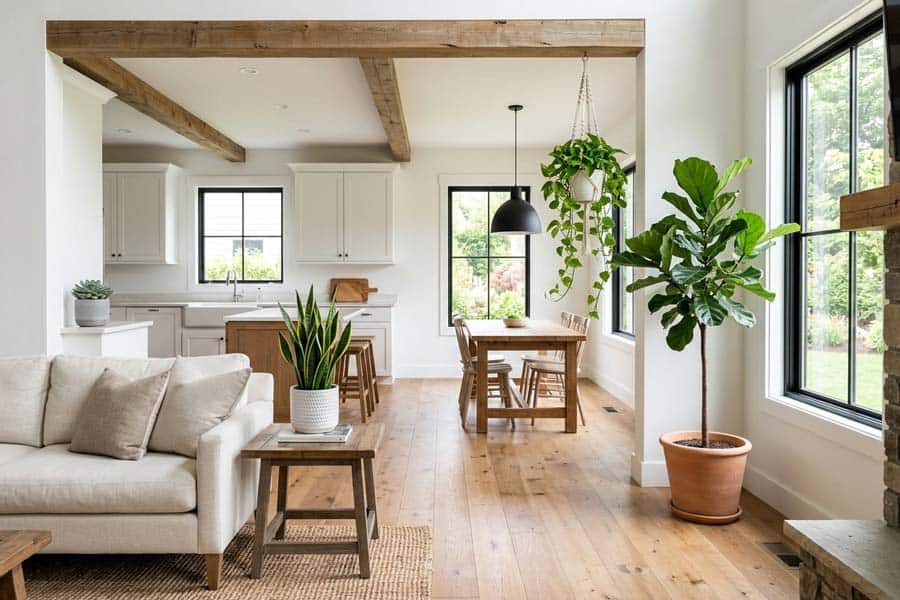
Houseplants have earned a permanent spot in modern home styling, but the watering habits that keep them alive can also feed a pest problem.
Overwatered soil stays damp long enough to become a breeding ground for gnats, especially fungus gnats that thrive in wet organic matter.
The issue extends beyond the pot itself.
Standing water left in saucers and decorative planters sends an open invitation to ants and cockroaches searching for a reliable moisture source.
Even a thin layer of water sitting overnight is enough to draw them in.
Clustering several plants together near walls creates another overlooked risk.
The combined moisture raises humidity in tight spaces, encouraging pest activity along nearby cracks and crevices where insects already travel.
Over time, that cozy plant corner becomes a hotspot.
A few simple adjustments help you keep the greenery without the guests.
Letting your soil dry out between waterings, emptying saucers after each session, and spacing plants away from walls all reduce the moisture that attracts these pests in the first place.
How You Store and Display Decor Matters Too
The way your decor gets tucked away between seasons matters just as much as how it’s made.
Seasonal decorations packed into cardboard boxes create an ideal environment for silverfish, which feed on the paper fibers, and cockroaches, which use the corrugated layers for nesting.
Swapping cardboard for airtight containers cuts off both the food source and the moisture access that pests depend on.
This one change applies to everything from holiday ornaments to fabric garlands, especially when storing natural materials properly for long stretches.
Cluttered craft areas and stacked decorative items pose a separate problem.
Piles of supplies, layered trays, and grouped objects create dark corners that go undisturbed for weeks or months.
Those are exactly the conditions pests seek out for shelter and breeding.
Wall decor and hanging art can also mask entry points along baseboards or where walls meet the ceiling.
A framed piece covering a hairline crack may look great, but it also gives insects a hidden doorway into your living spaces.
Here are some quick swaps worth considering:
- Replace cardboard storage with airtight plastic bins
- Move stacked items out of dark corners or rotate them regularly
- Pull wall art away periodically to check for cracks behind it
Rotating and inspecting your stored items at least once per season helps catch problems early.
A quick check during each swap keeps pest prevention built into your routine rather than treated as an afterthought.
Quick Pest-Proofing Habits for DIY Lovers
Shifting from reactive fixes to proactive habits makes all the difference.
A few consistent steps before, during, and after any project can keep pest prevention baked into your creative process.
Here’s a quick checklist I’d suggest pinning near your workbench:
- Inspect thrifted or salvaged pieces outdoors before carrying them inside, checking seams, joints, and undersides for any signs of pest activity.
- Seal cracks and crevices exposed while installing shelves, rearranging furniture, or mounting new wall decor.
- Store craft supplies and fabric scraps in sealed bins rather than open baskets that give insects easy access.
- Avoid overwatering indoor plants used as decor, since damp soil and standing water invite gnats, ants, and roaches.
- Check behind wall-mounted pieces periodically to catch early signs of pest activity along hidden surfaces.
These small habits apply equally to indoor refreshes and outdoor DIY projects, where exposed materials face even more pest pressure from the surrounding environment.
Create Freely, Just Inspect First
DIY home decor projects are worth every hour of effort, and my goal here isn’t to discourage your creativity.
It’s simply to add one more step to your process.
A quick inspection before materials come indoors and proper sealed storage after a project wraps up are all it takes.
Building those two habits into your routine keeps your handmade pieces looking their best, free from the pest problems that could have been avoided from the start.