
You’ve just replaced your old drafty windows with modern energy-efficient ones, only to notice a light fog forming on the glass the next morning.
Does it ring a bell? Seeing condensation on new windows makes it easy to feel disappointed or even worried that something went wrong with the installation.
But in most cases, this is perfectly normal!
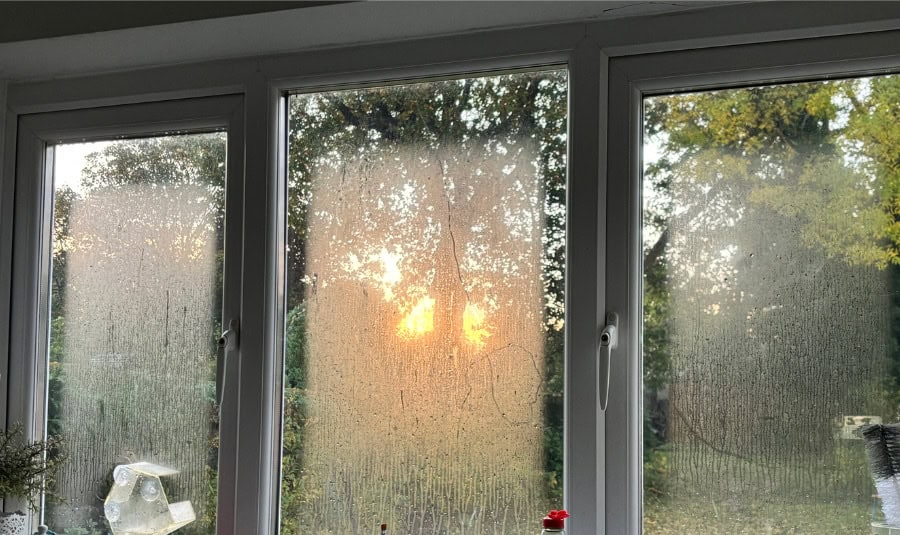
When I first learned this, it surprised me too.
According to recent studies, homes with new, energy-efficient windows often experience a 20–30% increase in indoor humidity retention during the first weeks after window replacement (single-pane to triple-pane).
That’s because modern windows seal so effectively that the moisture once escaping through leaks and gaps now stays inside.
When warm, moist indoor air meets a cold glass surface, it condenses into tiny water droplets, the same way your mirror fogs after a shower.
So before you call your installer, it’s worth understanding why this happens, what’s normal, and how to control humidity to keep your windows clear and comfortable all year long.
Why Condensation Happens Even on Newly Installed Windows
When you see fog on brand-new windows, your first instinct might be to assume a defect. But in reality, the opposite is usually true.
Modern energy-efficient windows are built so airtight that very little air or moisture escapes, creating the perfect environment for temporary condensation.
When warm indoor air hits the cooler glass surface, water vapor condenses and turns into visible droplets.
The more humid your home, the more likely you are to see it—especially during colder seasons, when interior humidity levels naturally rise.
New windows with low-emissivity (Low-E) coatings and multiple glass panes hold heat better, meaning the outer glass stays cold while the inner layer retains warmth.
This temperature difference can make fog appear more noticeable, even though your windows are performing exactly as designed.
In most cases, the fog fades as your home’s humidity stabilizes, especially if the windows were installed recently after construction or renovation.
When Condensation Isn’t Normal (and How to Fix It)
While a little mist on your new windows is harmless, some types of condensation can point to a deeper problem.
Knowing the difference helps protect your investment and keep your home comfortable. And it becomes a concern when:
- Moisture appears between the glass panes. This means the seal inside the insulated glass unit (IGU) has failed, allowing air and humidity to enter.
- No amount of wiping or ventilation will remove it.
- Fog lingers for days at a time. Persistent condensation may signal extremely high indoor humidity or poor air circulation.
- You notice water pooling on the sill or frame. This can lead to mold, rot, and damage to trim or drywall.
- Moisture forms even in mild temperatures. This could suggest improper window installation or a ventilation issue.
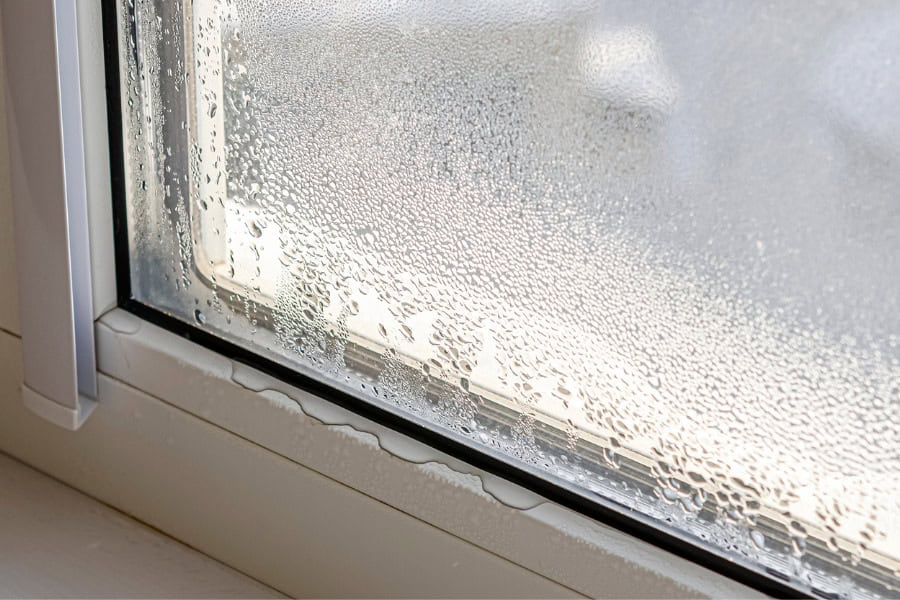
How to Fix?
Depending on the cause, you can take several effective steps:
- Improve ventilation. Run exhaust fans when you cook or shower, and keep interior doors open to let moisture escape.
- Use a dehumidifier. Especially during the first weeks after installation or in the winter months when windows stay closed, it helps to maintain proper ventilation.
- Check and clear weep holes. These small drainage openings at the bottom of window frames allow trapped water to escape.
- Open blinds and curtains during the day. This promotes airflow and prevents cold air from being trapped near the glass.
- Inspect window seals. If fog appears between panes, contact your installer since this issue is likely covered under warranty.
- Maintain a steady indoor temperature. Sudden temperature drops increase the risk of this forming overnight.
In most cases, condensation fades as your home’s humidity levels balance out.
If the moisture keeps returning or gets worse, I’d recommend calling a professional to inspect your windows and make sure they’re performing properly.
Does Warranty Cover Window Condensation?
Not always. Most window manufacturers and installers classify interior or exterior condensation as a result of indoor humidity rather than a product defect, meaning it’s not covered by warranty.
However, moisture between the panes usually indicates a failed seal, which should be included under a reliable warranty.
When you review your window warranty, pay attention to:
Seal failure coverage:
Look for protection of at least 20 years for insulated glass units (IGUs).
Labor and parts inclusion:
A good warranty should cover both replacement materials and installation work, preferably for the same period (20–25 years).
Transferability:
If you sell your home, transferable warranties add long-term value.
Exclusions:
Check fine print for limits on humidity-related issues or misuse.
A dependable warranty shows confidence in a company’s product and gives you peace of mind if condensation turns out to be more than a passing fog.
Moisture condensing on new windows can be confusing, but it’s rarely a sign of poor quality or faulty installation.
In most cases, it just means your new windows are doing their job. Sealing your home tightly and preventing heat loss.
As the indoor environment stabilizes, your moisture levels will balance out too.
The key is to keep humidity in check and watch for signs that go beyond light fogging, like water between panes or prolonged dampness.
If that happens, it’s worth contacting a professional to inspect your windows and make sure they’re performing as efficiently as possible.
With good humidity control and a bit of regular maintenance, you’ll keep your new energy-efficient windows clear, bright, and comfortable for years to come.