
There’s nothing more frustrating than finishing a beautiful kitchen or bathroom renovation only to discover a problem hiding behind the walls.
I’ve seen it happen more times than I’d like, and it almost always comes down to the same thing: the cosmetic work went in before the fundamentals were sorted out.
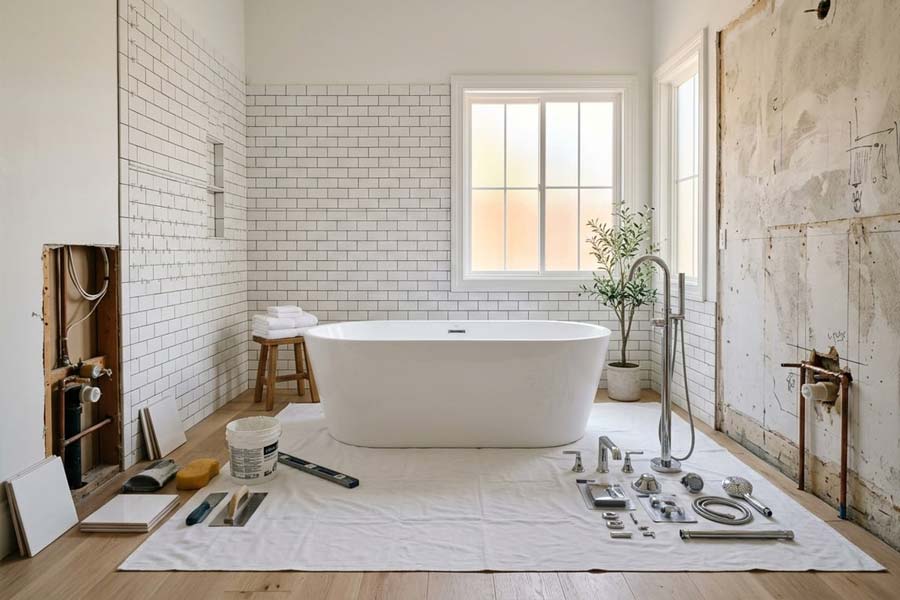
If you’re planning to update your home, whether that’s a full kitchen refresh, a dreamy bathroom overhaul, or just getting everything feeling clean and current, there’s a short list of practical things worth checking before the fun part begins.
Plumbing is at the top of that list.
It’s not glamorous, but getting it right first is what makes your finished space actually last.
Why Plumbing Deserves Attention Before Anything Else
According to the U.S. Environmental Protection Agency, household leaks can waste nearly 10,000 gallons of water each year.
That’s a significant amount of damage quietly working its way through your walls, floors, and cabinetry while you’re busy picking out tile and paint colors.
A dripping faucet or slow drain can seem harmless at first, yet small plumbing issues have a way of growing into bigger concerns.
New cabinetry installed over a slow leak won’t stay beautiful for long.
Fresh tilework laid over pipes with mineral buildup is just a future repair job waiting to happen.
Getting the plumbing sorted before your renovation begins means your new finishes go in over a system that’s genuinely ready for them.
Many homeowners try basic solutions before calling a plumbing repair service for deeper concerns, and that’s a perfectly reasonable place to start.
Here’s what to look at before your renovation gets underway.
Check Your Faucets First
A Dripping Faucet Is More Than an Annoyance
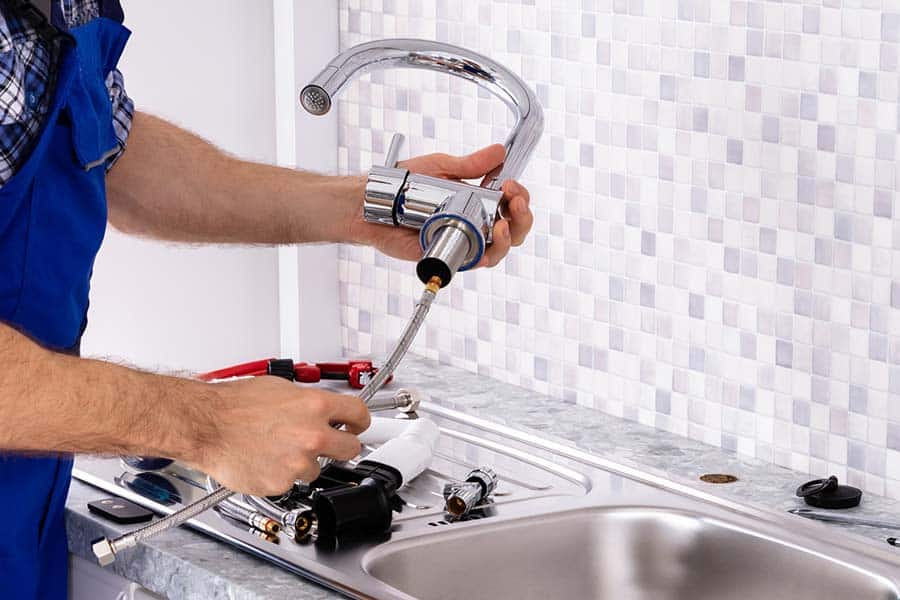
A dripping faucet usually points to worn washers or loose parts inside the fixture.
These small components control water flow, and even slight wear can lead to constant dripping.
Checking these parts helps you understand what you’re dealing with before the renovation begins.
Shutting off the water supply is the first step before making any repairs.
Replacing washers or tightening connections usually resolves the problem quickly.
Use the Renovation as a Reason to Upgrade
If your faucets are already dripping, a renovation is the perfect moment to replace them entirely.
A new faucet that suits your updated kitchen or bathroom solves the leak and adds a finished, intentional look at the same time.
I’d encourage you to think of faucet selection as part of your overall design plan rather than an afterthought.
The right hardware can pull an entire room together in a way that feels intentional and cohesive.
Clear Your Drains Before the Work Begins
Slow Drains Signal a Bigger Problem
Hair, soap residue, and small particles usually collect near the drain opening over time.
Removing this buildup manually can improve water flow almost immediately.
A simple cleaning step prevents deeper clogs from forming behind your new finishes.
A mixture of warm water and mild cleaning solutions helps break down residue inside the pipe.
Avoid harsh chemicals, as they may damage pipes over time.
Upgrade Your Drain Hardware While You’re at It
If you’re renovating a bathroom, it’s worth upgrading your drain covers and stoppers while everything is accessible.
It’s a small detail, but the right hardware ties your whole bathroom design together in a way that feels finished and considered.
I’ve found that these small choices are often what separate a renovation that looks pulled together from one that feels slightly incomplete.
Address Low Water Pressure Before New Fixtures Go In
Find Out What’s Causing It
Low water pressure can result from clogged aerators or partially closed valves.
Inspecting these areas helps identify simple causes that are easy to fix.
Cleaning the aerator restores normal flow and costs you almost nothing.
Consider Replacing Older Fixtures Entirely
Mineral deposits inside pipes can reduce water pressure gradually over time.
If you’re updating your kitchen or bathroom anyway, this is a good moment to replace older fixtures that may have years of buildup inside them.
New fixtures not only perform better, they make the whole space feel more polished and intentional.
Maintaining clean, updated fixtures supports steady water flow throughout your home and keeps everything looking as good as it performs.
Deal with Minor Leaks Before They Become Major Ones
Small Leaks Are Easy to Overlook and Expensive to Ignore
Small leaks occur at joints where pipes connect, and tightening these connections can stop water from escaping.
This quick fix helps protect the surrounding areas from water damage before your renovation begins.
Using pipe tape or sealant provides a short-term solution for minor leaks until a more permanent repair is possible.
Acting quickly reduces the risk of water damage and keeps the issue under control.
Catch Leaks Before Your New Finishes Go In
I’d say this is the most important step of all.
A leak discovered after new cabinetry, fresh tilework, or a newly painted wall is in place is both costly and deeply frustrating.
Checking for leaks before the cosmetic work begins is one of the smartest things you can do for your renovation budget and your sanity.
Know When to Call a Professional
Some Issues Go Deeper Than a DIY Fix
Some plumbing issues appear minor but may hide deeper problems.
When leaks return or pressure issues persist, professional inspection becomes necessary.
Experts can identify the root cause and prevent repeated trouble.
If you’re planning a full kitchen or bathroom renovation, I’d strongly recommend bringing in a licensed plumber before the cosmetic work begins.
What You Get from Expert Help
Professionals bring experience and tools that help resolve issues efficiently.
A plumbing repair service ensures repairs are handled correctly and safely.
Their approach supports long-term reliability and reduces the chance of recurring problems.
Getting the plumbing right first means your new finishes, whether that’s fresh cabinetry, new countertops, or beautifully tiled walls, go in over a system that’s genuinely ready for them.
The Unglamorous Work That Makes a Beautiful Home Last
Your renovation vision deserves a foundation that supports it.
The paint colors, the fixtures, the carefully chosen accessories and finishing touches, all of it looks and stays better when the systems underneath are solid.
Dripping faucets, slow drains, and minor leaks can all lead to larger concerns when left unchecked, and none of them are the kind of surprise you want after your new kitchen or bathroom is finished.
Taking simple steps early helps maintain steady water flow, protects your new finishes, and means your renovation stays looking beautiful long after the last coat of paint has dried.
When quick fixes aren’t enough, a trusted plumber gives you the confidence to move forward knowing everything underneath is ready.
With the right groundwork in place, your finished space gets to be exactly what you imagined it would be.

Leave a comment