
What does a livable home look like?
Installed flooring, dried paint, finished renovations?
In reality, it all depends on the home’s comfort: through furniture, lighting, appliances, fittings, textiles, and the small details a person uses every day.
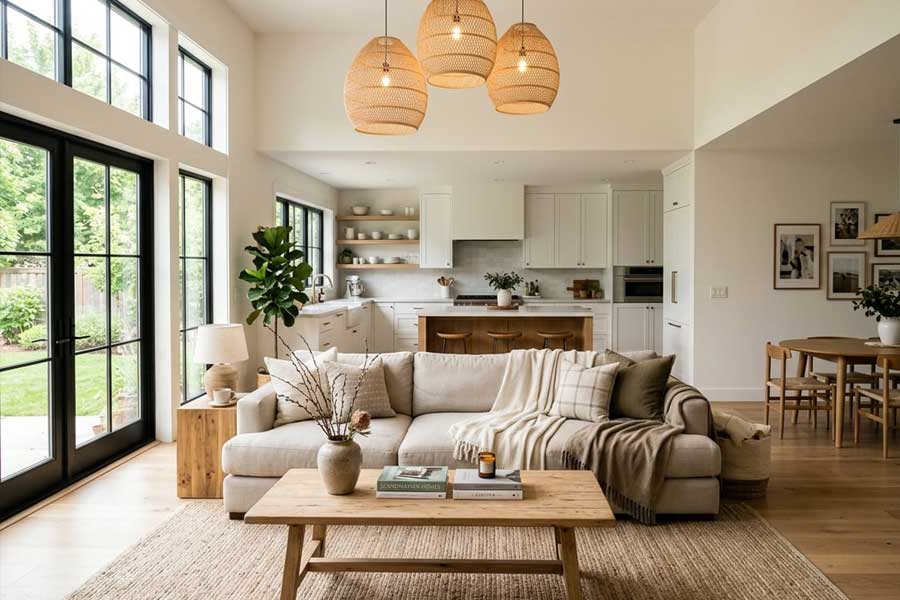
These choices are visually pleasing and show how functional your space really is: is there enough light by the bed, does the sofa fit your lifestyle, do the appliances work with your kitchen flow, and so much more.
But how do you consider all these details when you’re trying to bring a space together?
FF&E work helps connect beautiful interior design concepts with practicality.
It covers budget, dimensions, delivery times, installation, contractor work, and ongoing maintenance.
This process stretches from the initial shopping list all the way to the final quality check.
How do you organize all of this if you’re a professional?
Understanding the Core Components of Residential FF&E
What do these experts work with most often?
Unlike many designers whose tasks are limited to a narrower focus, this field covers several key components of the home.
These are represented by the letters in the title:
- Furniture. Furniture is a key element of the interior, capable of capturing attention or creating accents. This depends on the client: some choose the furniture themselves and want you to build the project around that style, while others simply guide you by budget and general aesthetic preferences. I find that when clients are hands-on with furniture choices, the end result feels more personal and lived-in.
- Fixtures. These are elements that won’t be easy to change later. Designers work with lamps, built-in cabinets, plumbing fixtures, mirrors, cornices, and other finishing touches that stay in place. Getting these right from the start makes a real difference in how polished the final space looks and feels.
- Equipment. This is essentially everyday life: kitchen appliances, bathroom fixtures, the ventilation system, and much more. The client sees a visually pleasing space, while the designer gets right to the root of the matter: how to bring the concept to life in a way that aligns with the home’s technical requirements. This is especially true for the kitchen and bathroom, where appliance placement depends entirely on the location of outlets and plumbing.
These elements work together in the final result.
Experienced designers know how to place furniture, home gadgets, and appliances to create a cozy and smart space.
In the end, you’ll have a system where everything works in harmony, and your home feels as good as it looks.
Essential Steps for Developing a Realistic Project Budget
You wouldn’t start your budget planning by buying an expensive vintage sofa, would you?
This process begins even before the first purchase, especially if you’re working with a client.
Budgeting is a necessary step, and while every designer approaches it a little differently, most follow the same core steps:
- Dividing the budget by room. This step immediately clears up potential clutter in your reports. It’s also easier to see which rooms need the most investment and where you might be able to save.
- Priority purchases. All the client’s wishes and your plans can be roughly divided into two categories: “can’t live without this” and “this can wait.” Still, details are important and can make the final look more polished. You’re working on a home where people will actually live, not just a pretty picture. No matter how much potential you see in a project, I think it’s worth keeping that in mind.
- Price isn’t the only consideration. You ordered a dishwasher for $200 under budget. But what about delivery? Installation and connection? These can feel like small details when you’re working with higher-end clients, but even they’ll notice a budget skew if you didn’t account for additional services.
- Leave room for revisions. How do you know if there will be revisions? If you’re leading the project, there will be. Delivery dates shift, specifications don’t always match, and contractor costs sometimes run higher than planned. I’ve learned it’s always better to budget with that “what if” in mind.
Balance your budget and your deadlines.
No one can do things quickly, well, and cheaply all at the same time, and that’s just honest professional advice.
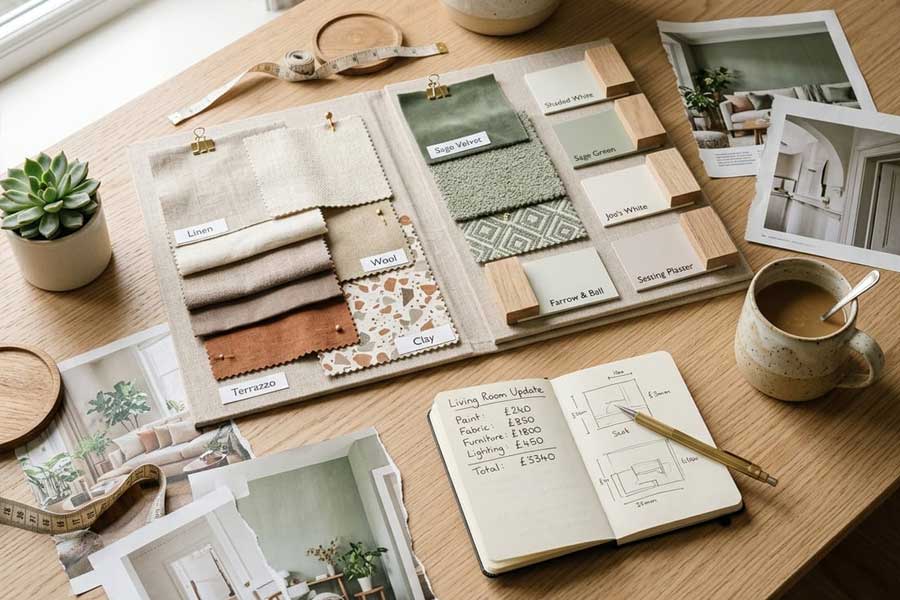
Navigating the Technical Details of Furniture and Equipment Selection
Any designer working with physical products knows that all specs need to be double-checked.
Mismatched colors are certainly frustrating, but if expensive furniture or appliances don’t fit the specifications, that’s a real problem.
Always consider dimensions, weight, material, mounting type, connection requirements, delivery conditions, and care instructions.
Getting these details right is what separates a space that looks good in photos from one that actually functions beautifully day to day.
Coordinating with Contractors and Interior Design Professionals
Most often, you’ll be managing the people who carry out the tasks you approve.
Communication between everyone on the team matters a lot: for example, a designer selects a pendant light, but the electrician installs the wrong wire.
In this career guide, you can learn more about this skill and how it applies during job searches and in real projects.
You’ll need to communicate dimensions, specs, layouts, installation requirements, delivery times, and manufacturer instructions clearly to your team.
Their coordinated work is what keeps the whole project running smoothly.
Managing Lead Times and Logistics for Home Installations
Lead time depends on both the suppliers and the client.
If you’re working with standard furniture models, lead times typically run 4 to 8 weeks, while custom orders take even longer.
Ideally, you’ll confirm lead times before the renovation begins so the construction work wraps up right as the furniture and appliances are ready to arrive.
I’ve found that timing this well makes the final install feel seamless and keeps clients excited rather than frustrated.
Quality Checks and Long-Term Care for Your Home Design
Even when the project wraps up, a good designer views the result as a functional space for everyday living first and an aesthetic setting second.
If your client has chosen special materials like leather or mahogany, I’d encourage you to offer guidance on caring for those pieces.
It’s a thoughtful finishing touch that helps the client carry your work forward and keep the home looking its best for years to come.
Those little care tips can also make a big difference in how a space holds up over time, which is something any homeowner who loves their home will genuinely appreciate.

Leave a comment