
It usually starts with something small.
A shingle that looks a little loose. A faint water stain in the corner of your ceiling.

Maybe a tiny drip during a heavy rainstorm that disappears the next day.
Nothing urgent, right?
Most homeowners have been there.
You notice something that might be a roof issue, but life is busy and the problem doesn’t seem serious enough to deal with right away.
So it gets pushed down your to-do list.
Days turn into weeks. Weeks turn into months.
But here’s the thing about roof problems.
They rarely stay small.
What begins as a minor issue can quietly grow into something far more expensive and stressful.
And by the time the damage becomes obvious, the repair bill often comes with a surprise.
So why do so many homeowners regret waiting?
Let’s take a closer look.
Why Small Roof Issues Are Easy to Ignore
Roofs have one big disadvantage when it comes to maintenance.
You rarely see them up close.
Unlike a cracked tile in your kitchen or a broken cabinet door, roof damage sits high above your everyday line of sight.
That means small issues can easily go unnoticed or feel less urgent.
And even when you do notice something, it often seems harmless.
Maybe a shingle blew off during a storm.
Maybe you saw a small patch of discoloration on your ceiling.
It’s easy to think, It’s probably nothing.
Sound familiar?
Another reason homeowners delay roof repairs is simple timing.
People are busy.
Between work, family responsibilities, and everyday tasks, climbing a ladder to inspect your roof doesn’t exactly make the top of your weekend plans list.
There’s also the hope that the issue will simply go away.
Maybe the leak only happened once.
Maybe the stain hasn’t grown.
Maybe the weather has been dry lately.
But small roof problems are rarely temporary.
Most of the time, they’re early warning signs.
The Quiet Damage Happening Behind the Scenes
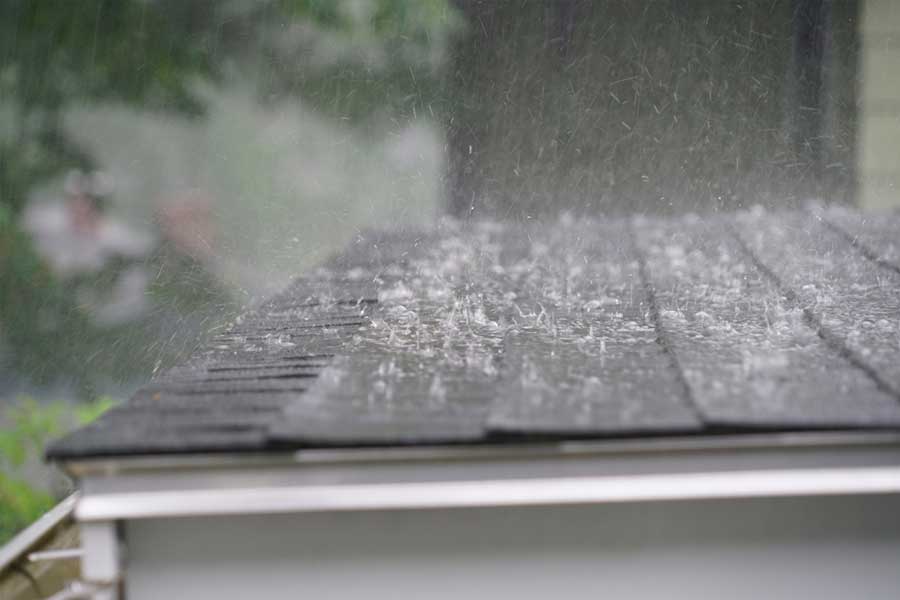
What makes roof problems tricky is how quietly they develop.
A tiny gap in your roofing material can allow water to seep in during rainstorms.
At first, the moisture may only affect a small area.
But over time, that water begins to spread.
Wood framing can start to weaken.
Insulation becomes damp and less effective.
Mold and mildew may begin to grow in hidden corners of your attic.
And the scary part?
You might not notice any of it happening.
Water damage doesn’t always show up right away on the ceiling below.
Sometimes it takes weeks or even months before visible signs appear.
By that point, the damage inside your roof structure may already be significant.
Imagine a slow drip inside your walls every time it rains.
Not enough to flood the room. Just enough to quietly cause problems.
That’s often how roof issues develop.
Slow. Subtle. And surprisingly destructive.
When Waiting Turns a Simple Repair Into a Major Expense
Here’s where things really start to hurt homeowners financially.
When roof problems are caught early, repairs are often straightforward.
Replacing a few damaged shingles or sealing a small leak can usually be handled quickly.
But when the same issue is ignored for months or years, the situation changes.
Water may spread under multiple layers of roofing material.
Structural components could become compromised.
Insulation may need to be replaced.
In some cases, interior ceilings or drywall also suffer damage.
Suddenly, the repair isn’t small anymore.
Instead of fixing one area, contractors may need to address several parts of your roof at once.
And if the deterioration becomes widespread, you sometimes find yourself facing a much larger project like roof replacement, something that might have been avoided with earlier attention.
That’s the frustrating part. The original issue may have been simple.
But the delay turned it into something much bigger.
The Impact on Your Home Comfort and Energy Efficiency
Roof damage doesn’t just affect the structure of your home.
It can also change how your home feels day to day.
Think about how your roof works.
It’s part of a larger system that protects your home from heat, cold, wind, and moisture.
When that system is compromised, the effects can show up in unexpected ways.
For example, damaged roofing materials can allow outside air to enter your attic.
Insulation may lose effectiveness if it becomes damp.
Gaps or leaks can disrupt proper airflow.
What happens next?
Your heating and cooling systems have to work harder to maintain comfortable temperatures.
Rooms may feel drafty in winter or warmer than usual during the summer.
And slowly, your energy bills begin to climb.
Many homeowners don’t immediately connect rising utility costs with roof issues.
But the two can be closely related. A healthy roof helps regulate indoor temperatures.
A damaged one makes that job much harder.
Warning Signs You Should Never Ignore
The good news is that roofs often give warning signs before problems become severe.
The challenge is recognizing them early and taking action.
Here are a few signals that something might need your attention:
Water stains on ceilings or walls
Discoloration, yellowish marks, or bubbling paint can indicate water entering from above.
Missing or damaged shingles
After storms or strong winds, it’s worth taking a quick look at your roof from the ground.
Granules collecting in gutters
Roof shingles naturally shed some granules over time, but large amounts in your gutters may signal aging or damage.
Unusual drafts or uneven indoor temperatures
Changes in airflow or comfort could point to roof ventilation problems.
Musty smells in the attic
Moisture buildup can create conditions where mold or mildew begins to grow.
None of these signs should be ignored.
And here’s an important question to consider.
If a small problem is visible today, what might be happening in the areas you can’t see yet?
Why Early Inspections Save You Time, Money, and Stress

Routine roof inspections may not sound exciting, but they can make a huge difference in preventing major problems.
Professionals know where to look for subtle warning signs that you might miss.
Small cracks, flashing issues, or early material wear can often be spotted long before they turn into costly repairs.
That early detection is valuable.
Instead of reacting to a major leak during a storm, you can plan maintenance at a convenient time.
Instead of dealing with structural damage, you can fix the original issue before it spreads.
It also brings peace of mind.
Knowing that your roof is in good condition removes a lot of uncertainty, especially during heavy rain or storm season.
After all, your roof does an enormous job every day.
It shields your home from weather, protects your belongings, and helps maintain a comfortable living environment.
Giving it a little attention once in a while is simply part of protecting your entire house.
Don’t Let Small Problems Become Big Expenses
It’s easy to delay roof maintenance.
The damage isn’t always obvious.
The issue might seem minor.
And there are always other things competing for your time.
But small roof problems rarely disappear on their own.
They grow slowly, quietly, and often out of sight.
And when they finally become impossible to ignore, the repair is usually more complicated than it needed to be.
So the next time you notice something unusual above your ceiling, it might be worth taking a closer look.
Because sometimes the most expensive home repairs begin with the smallest warning signs.
And catching them early can make all the difference.