
If you’re thinking about adding a steel building to your property, understanding what drives the cost is one of the smartest things you can do before your project begins.
Whether you’re dreaming of a spacious garage, a stunning barndominium, or a versatile outbuilding that adds real value to your land, the planning decisions you make early on will shape your total budget more than anything else.
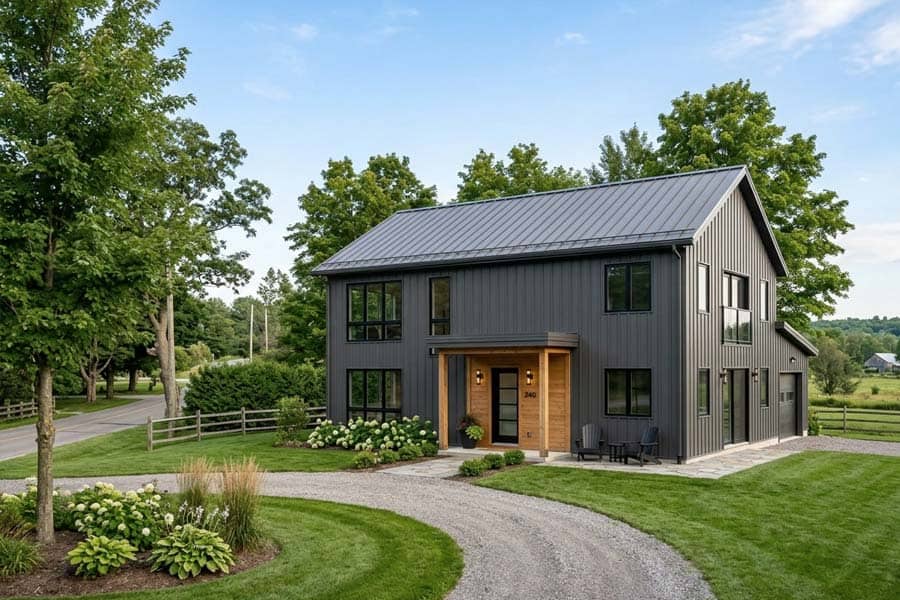
Several specific elements influence the cost of any steel construction, and these factors begin at the design stage and continue throughout the build process.
Taking the time to understand each component helps you plan with confidence and avoid surprises along the way.
Steel frame buildings include materials, labor, engineering, and structural planning.
These buildings follow precise stages, and every step carries a measurable impact on total expense.
Knowing the core cost drivers puts you in a much stronger position when talking to contractors and suppliers.
Size and Design of the Structure
The total building area directly affects overall cost and material use.
Larger structures require more steel sections, which leads to higher shipping and installation costs.
Each square foot adds weight and complexity to the foundation, so it’s worth thinking carefully about how much space you actually need.
The framing system also scales with width, height, and spacing.
Design features create cost differences based on layout and structure.
Simple shapes may involve fewer adjustments, while more complex forms take more time to frame and fit.
The need for multiple load paths, segmented sections, or unique roof lines increases planning time and materials.
Adding steel connections and reinforcements raises the overall workload.
If you’re envisioning something like a barndominium with a living space on one end and a workshop or garage on the other, I’d encourage you to map out your layout early so those design decisions don’t catch you off guard on the budget side.
Steel Type and Performance Characteristics
Steel is available in different grades based on structural load, ductility, and resistance.
Choosing a suitable grade depends on how you plan to use your building and the environment it will sit in.
Some projects require stronger profiles to support equipment, storage, or suspended walkways.
Others may use lighter grades for a single-story garage or hobby space.
Surface treatment affects long-term protection and cost.
Coated or galvanized steel works well in moisture-prone environments, which is something I’d pay close attention to depending on where your property is located.
These finishes change how pieces are cut, handled, and secured.
Corrosion-resistant steel is sometimes the smarter long-term choice, especially in regions with harsh winters or high humidity.
Site Conditions and Environmental Factors
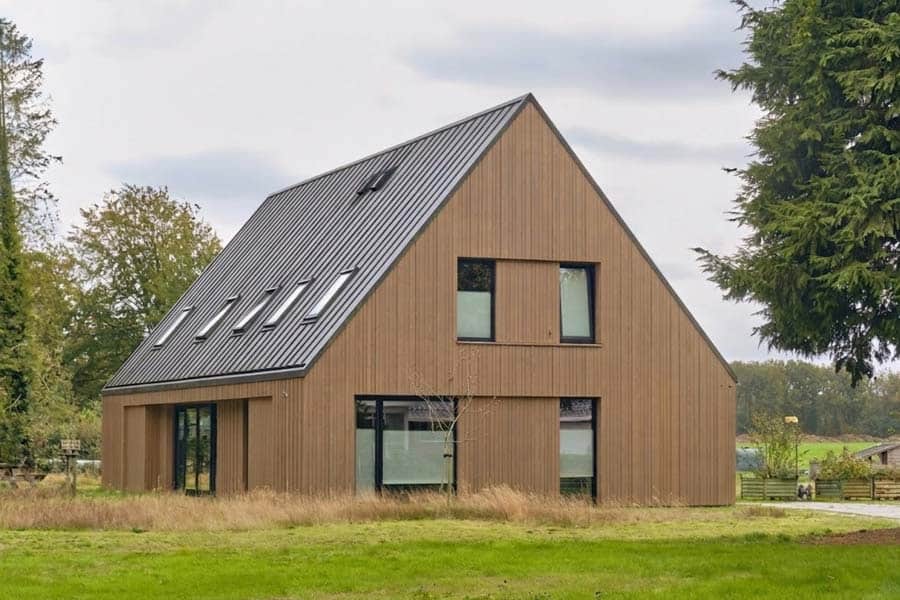
Your site conditions shape preparation tasks and foundation needs more than most homeowners expect.
Stable, dry ground usually requires minimal grading or backfill.
Areas with poor drainage or loose soil may need compacting, moisture control, or soil reinforcement.
The structure depends on a consistent footing to remain level and secure over time.
Your property’s location also affects transport, access, and equipment handling.
Sites with limited road space or tight delivery zones may delay material drop-offs.
Rural properties may need temporary roads or fencing to support equipment.
Each of these conditions changes how crews stage materials and schedule crane lifts, so it’s good to walk your site with a contractor before finalizing your plans.
Labor Availability and Schedule Planning
Local workforce capacity shapes project timelines and contractor pricing.
Skilled trades may be in short supply during peak seasons, so your timing matters.
Hiring multiple teams can offset delays, though rates may be higher.
Labor costs also depend on union requirements or shift work regulations in your area.
Project deadlines influence how resources are used throughout construction.
Compressed schedules may involve longer hours or weekend shifts, which increases expenses for coordination, supervision, and equipment rentals.
I’ve found that homeowners who plan their timelines early and stay flexible tend to get better results and fewer budget surprises.
Early schedule planning helps balance cost and availability across all phases of your build.
Permit Approvals and Code Requirements
Permit requirements influence early-stage planning and budget forecasts, and this is one area where your preparation really pays off.
Municipal rules vary and can require special submissions, soil studies, or utility plans.
Some buildings may need additional reviews for structure type, fire resistance, or accessibility.
Each step adds time and documentation, so building that into your timeline from the start will save you a lot of frustration.
These steps sometimes involve:
- Engineered drawings for framing
- Energy performance summaries
- Fire safety layouts
- Drainage or runoff plans
- Foundation design reports
What You Can Build on Your Property
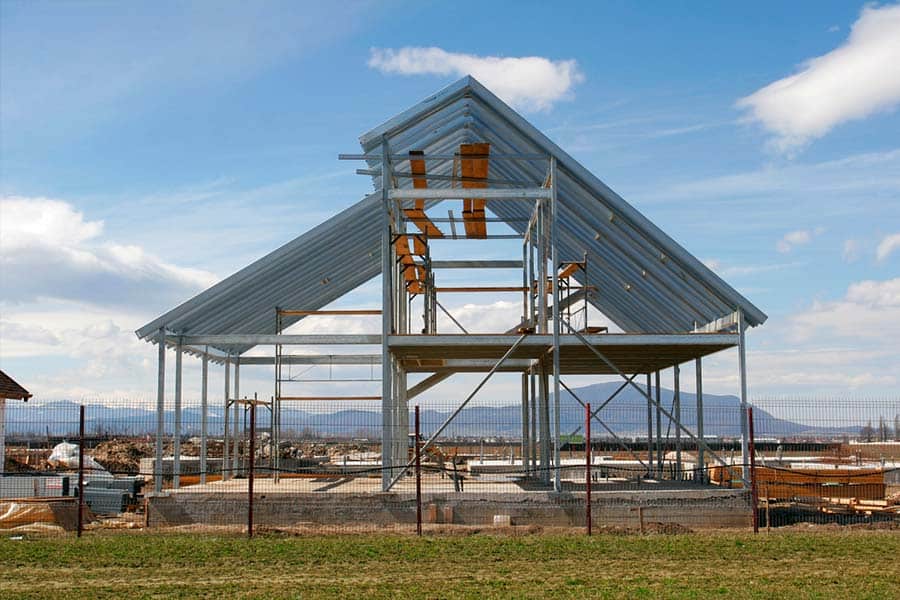
One of the things I find most exciting about residential steel buildings is the sheer range of what’s possible.
A steel garage can be so much more than just a place to park your vehicles.
With the right design, it becomes a fully functional workshop, a home gym, or even an art studio that feels like a real extension of your home.
Barndominiums are another option that more homeowners are discovering, and for good reason.
These hybrid structures combine living quarters with open workshop or storage space, and they can be finished beautifully inside to feel warm, modern, and completely livable.
Think exposed beams, wide open floor plans, and custom finishes that make the space feel as intentional as any traditionally built home.
If you have land and you’ve been wondering how to make the most of it, a steel building could be exactly the kind of investment that adds both function and curb appeal to your property.
Whether it’s a she-shed with serious style, a barn that doubles as an entertaining space, or a clean modern garage that looks great from the road, there’s a steel building configuration that fits your vision.
Why Choosing the Right Steel Partner Makes a Difference
A qualified steel provider helps reduce errors, control costs, and keep your project on schedule.
Their team understands the exact requirements of steel frame construction and offers precise material planning tailored to your build.
They ensure the steel arrives when needed and in the right condition, avoiding delays on site.
Companies offering steel frame buildings for residential use often support you with design coordination, permit details, and layout reviews from the start.
Their input helps align your structural needs with your budget goals.
They also guide technical decisions that affect load capacity, site conditions, and timeline planning.
Working with the right partner from the beginning is one of the best ways to protect your investment and make sure your finished building looks and functions exactly the way you imagined it.
Cost is shaped by structural needs, planning decisions, site logistics, and approval steps, but with the right team behind you, none of it has to feel overwhelming.