
Why Limescale Is a Decor Problem, Not Just a Cleaning Chore
Fresh paint, a carefully chosen faucet finish, the perfect pendant light over the sink.
Then a few months later, chalky white streaks creep across the taps, a dull film clouds the shower glass, and the kettle looks like it has been through a renovation of its own.
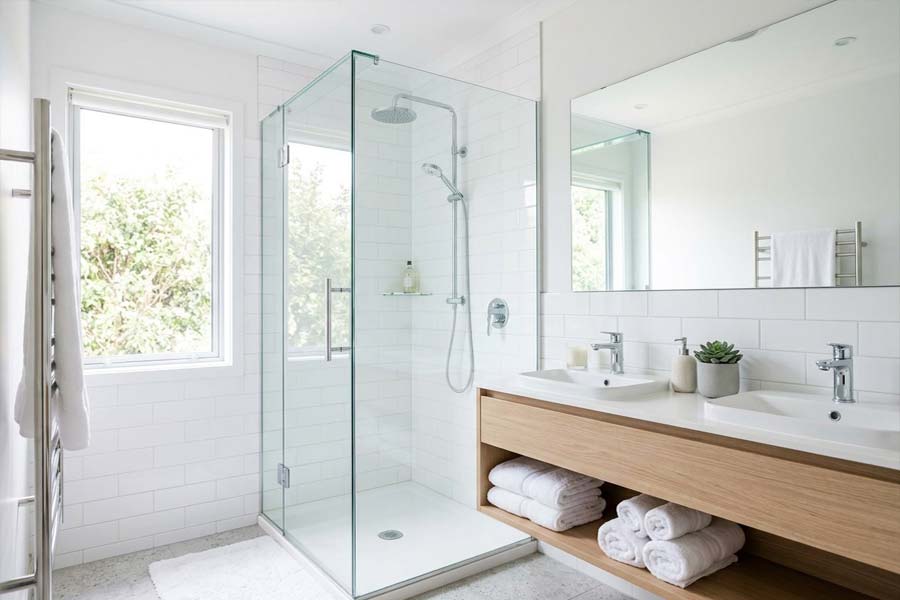
Limescale quietly steals the polished look you worked so hard to create.
Because limescale forms anywhere hard water sits or splashes, it shows up in all the little details that usually complete a room.
Shiny chrome suddenly looks tired, black fixtures take on a grey haze, and patterned tiles lose their crisp definition.
Keeping your spaces stylish for the long term is as much about knowing how to remove limescale as it is about choosing the right hardware or grout color.
How Limescale Affects the Look and Feel of Your Rooms
Limescale is mostly calcium and magnesium left behind when hard water evaporates.
In a bathroom or kitchen, that means it settles on the very features that catch the eye: taps, shower screens, tiles, and sinks.
It does not just look powdery.
Over time it can feel rough to the touch, like a fine sandpaper over smooth surfaces.
On clear glass, limescale appears as milky patches and vertical drip marks that never quite vanish with a quick wipe.
On dark metals, it becomes pale spots and crescents around the base of taps and handles.
If you love the contrast of matte black fixtures against white tile, this chalky buildup can flatten the whole effect and make even a newly renovated bathroom feel neglected.
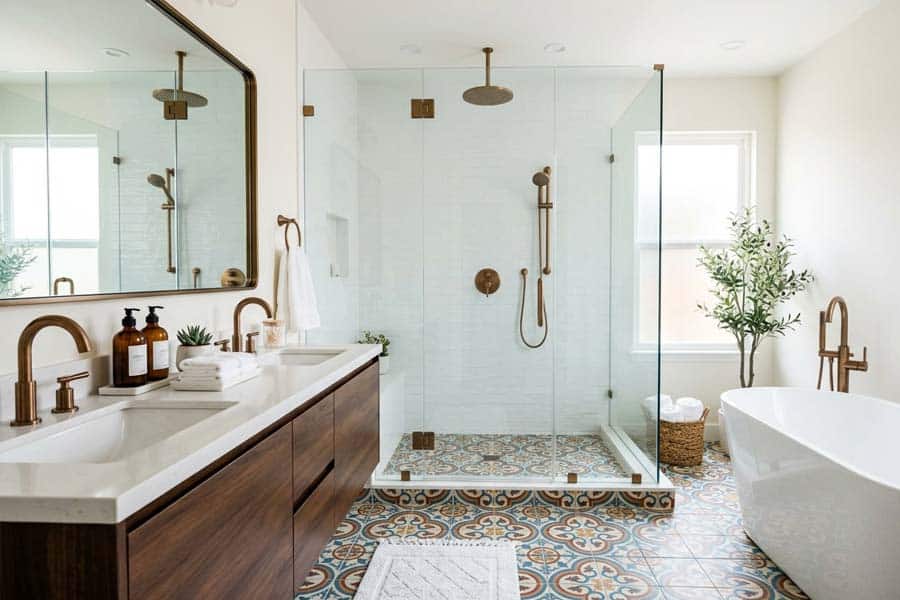
Smart Cleaning Strategies for Design Lovers
Design-focused homeowners often hesitate to use strong products on their finishes, especially when they have invested in statement taps, hand-glazed tiles, or specialty stone.
A smart approach is to pair gentle daily habits with targeted deep cleans so that your decorating choices stay safe while the limescale disappears.
I’d suggest starting by separating areas by material.
Glossy ceramic and basic glass can usually handle more intensive descaling than porous natural stone or unlacquered brass.
Keeping a short list of what is installed where helps you avoid that moment of panic when you are standing in the shower wondering whether the cleaner is safe for your niche tile.
Daily Habits That Quietly Prevent Buildup
Small routines make a surprising difference.
A simple microfiber cloth hanging inside the shower encourages a quick wipe down after the last morning rinse.
That 20-second habit removes most of the water droplets before they dry and leave minerals behind.
Many people also keep a dedicated squeegee nearby, especially if they have a frameless glass screen they want to keep crystal clear.
In the kitchen, build prevention into what you already do.
After washing up, run a dry cloth once around the base of the tap and along the sink edges.
It is the spots where water sits and slowly evaporates that develop the thickest rings and crusts, so removing puddles matters more than polishing.
Weekly Refresh for Taps, Tiles and Glass
A weekly or biweekly routine targets the areas that catch the eye first.
I’d focus on three zones: around the taps, the shower enclosure, and any decorative tile feature that sits within the splash zone.
Apply your chosen limescale remover or mix a mild descaling solution, then let it sit for the recommended dwell time so it can loosen deposits instead of relying on hard scrubbing.
Use non-scratch tools so you protect the finishes you picked so carefully.
Soft bristle brushes are ideal for intricate tap bases and between tile edges, while a white non-abrasive pad works well on sturdy ceramic.
Always test on a small, less visible spot if you are dealing with hand-finished tiles or specialty metallic surfaces so you keep the artistic character intact.
Protecting Different Materials While You Descale
The more curated your interior is, the more mixed materials you are likely to have in one room.
A single bathroom might pair polished chrome taps with honed marble, encaustic floor tiles, and a painted vanity.
Each reacts differently to acidic or harsh cleaners, so matching your method to the material is essential.
On standard ceramic and porcelain, stronger descalers usually perform well as long as they are rinsed thoroughly.
For natural stone, sealed concrete, or cement tiles, always follow manufacturer guidance, as the wrong product can etch or dull the surface.
Many homeowners keep a separate gentle routine for these areas and rely on sealing and good ventilation to reduce how much limescale forms on them in the first place.
Shower Glass and Screens
Clear glass plays a big part in making bathrooms feel larger and more spa-like.
When it is covered in spots, the entire space can look cramped and chaotic.
A good method I’ve found is to pre-rinse the screen with warm water, apply a limescale remover or mild acidic solution evenly from top to bottom, then use a soft sponge to work on stubborn bands where the waterline usually sits.
After rinsing thoroughly, pull a squeegee from top to bottom while the glass is still wet.
Once dry, buff lightly with a microfiber cloth.
This two-step finish makes glass almost disappear again, which lets your tile choices, niche styling, or patterned flooring become the visual focus.
Taps, Shower Heads and Fixtures
Decorative fixtures are often the jewelry of a room, so limescale around them is especially distracting.
On chrome or stainless steel, soaking a cloth in your chosen descaler and wrapping it around the base or spout lets the solution work without splashing surrounding surfaces.
For detachable shower heads, a short soak in a container can clear blocked nozzles and restore water flow.
For statement finishes like matte black, brushed gold, or living brass, follow the maker’s cleaning advice closely.
Many recommend non-acidic cleaners and very soft cloths.
In these cases, prevention and gentle, frequent wipes usually win over occasional aggressive scrubbing that risks wearing away a protective coating.
Design-Friendly Ways to Keep Limescale at Bay
There are a few longer-term adjustments that support both function and aesthetics.
If you live in a very hard water area, fitting a water softening solution or a filter on specific lines, such as for a kettle or a high-end coffee machine, can dramatically reduce internal scale.
That protects not only your appliances but also the taste of your drinks.
Ventilation also matters more than many people realize.
Good airflow in the bathroom shortens the time your surfaces stay wet after showers, which means less opportunity for mineral deposits to form.
An effective fan, an opening window, or even keeping the door open for a while after bathing all contribute to a drier environment and fewer chalky streaks.
Styling and Storage Tricks That Help
Thoughtful styling can support your cleaning routine instead of working against it.
Keep frequently used cleaning cloths and a small spray bottle in an attractive basket or under-sink organizer so a quick wipe becomes part of your everyday rhythm.
If your towels and accessories sit too close to heavy splash zones, moving them slightly can also reduce hidden areas where limescale and moisture collect unnoticed.
Over time, these habits preserve the crisp edges of your subway tile, keep your faucets gleaming, and help your glass look showroom fresh.
Limescale might be a quiet, persistent nuisance, but with a strategy that respects your materials and decor choices, it does not have to dictate how your rooms look and feel.