
Wood furniture that is made by hand, especially custom wood furniture, has a character that is hard to find in mass-produced items.
It feels deeper, more thoughtful, and frequently more personal.
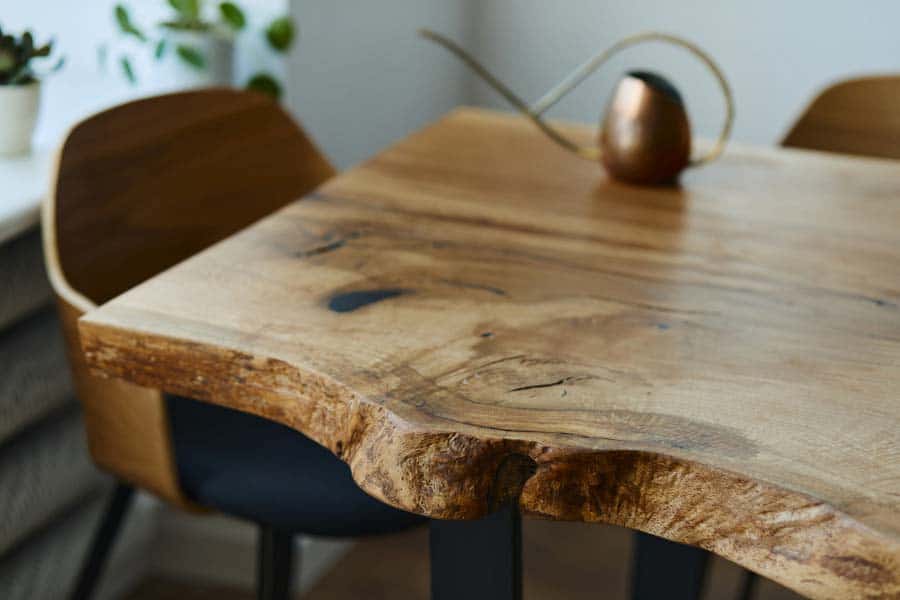
Handmade furniture, such as a dining table for family gatherings or a desk for your home office, reflects the choices, talents, and resources that went into producing it.
But what do you need to know about crafting hand-carved wood furniture?
How can you tell if a piece will survive for decades or just a few years?
Knowing how the process works helps homeowners and designers make informed decisions.
The finish, the choice of raw wood, and every other stage all affect how long the item will last, how it looks, and how well it performs in the long term.
In today’s market, interest in custom-made solutions continues to grow as more people look for pieces that feel unique and thoughtfully made rather than factory-produced.
To appreciate the difference, it’s important to look closely at how handcrafted furniture is actually built.
Selecting the Right Wood
The wood is what makes up the basis of each handmade object.
The quality of the wood utilized makes a big difference in the final product.
Wood Species and Characteristics
Different wood species offer distinct advantages:
- Oak is known for its strength and visible grain patterns.
- Walnut provides rich, dark tones and smooth texture.
- Maple offers durability with a lighter, cleaner look.
- Cherry deepens in color over time, adding character with age.
Each species is diverse in terms of size, hardness, and grain structure.
Artists who know what they’re doing choose wood for furniture based on how it will be utilized.
For example, a dining table that receives a lot of usage could need a hardwood that is particularly resistant to scratch and dent.
Moisture Content and Drying
The level of moisture is one of the key variables that people forget about the most.
The wood needs to be cured sufficiently before construction can commence.
If it hangs on to too much water, the piece can bend, split, or shift after it is fitted together.
Professional workshops watch kiln-dried wood closely and allow it to get acclimated to being inside before they construct with it.
This phase makes sure the structure stays stable throughout time.
Designing the Piece
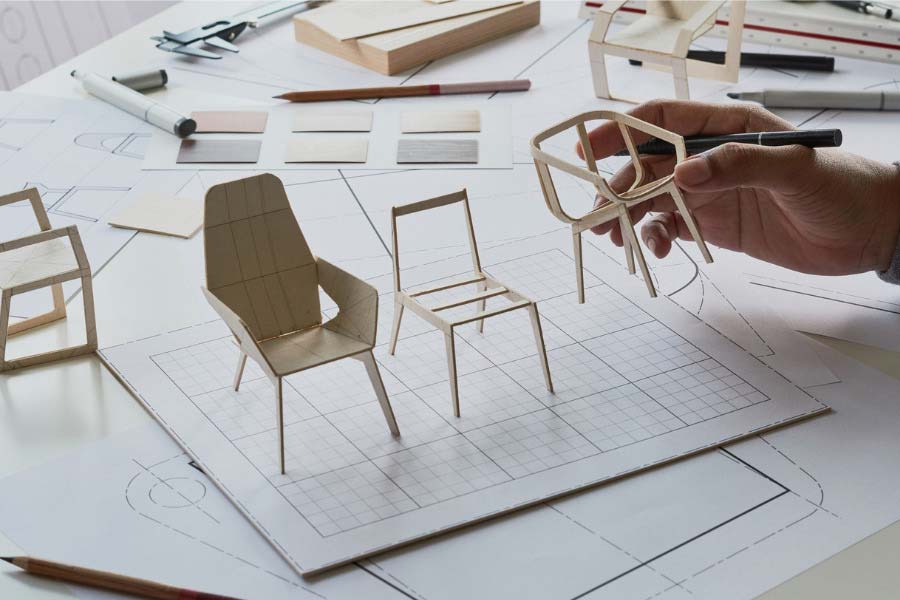
Handcrafted furniture doesn’t begin with cutting wood.
It starts with design.
Measurements and Proportions
Craftsmen consider:
- Room dimensions
- Functional requirements
- Ergonomic comfort
- Visual balance
Accurate measurements ensure the furniture fits naturally within its intended space.
Poor proportions can make even high-quality materials look awkward.
Joinery Planning
The type of joinery used plays a major role in durability.
Traditional joinery methods, such as mortise-and-tenon or dovetail joints, provide stronger connections than simple screws or brackets.
Well-planned joinery distributes weight evenly and reduces stress points, increasing the lifespan of the piece.
Cutting and Shaping the Wood
Once the design is finalized, raw lumber is cut and shaped.
Precision is critical at this stage.
Even minor inconsistencies can affect alignment and stability.
Craftsmen use both modern machinery and hand tools to ensure accuracy while preserving the natural character of the wood.
Edges are carefully shaped, surfaces are leveled, and grain direction is considered to enhance both appearance and structural strength.
Assembly and Structural Integrity
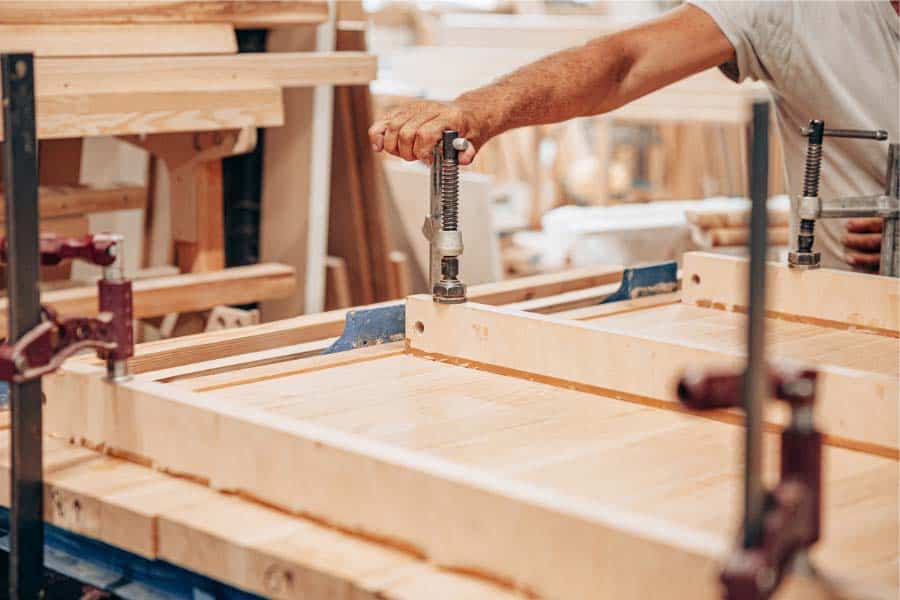
Assembly is where craftsmanship becomes visible.
Strong Joinery Techniques
High-quality handcrafted furniture relies on:
- Mortise-and-tenon joints
- Dovetail joints
- Dowels and reinforced connections
These techniques create durable bonds without relying solely on metal fasteners.
When executed correctly, the joints themselves become a defining aesthetic feature.
Structural Reinforcement
For larger pieces such as dining tables or shelving units, hidden reinforcements may be added to prevent sagging over time.
Cross supports and proper weight distribution ensure stability.
Sanding and Surface Preparation
Before finishing, the wood must be sanded thoroughly.
This step affects both appearance and touch.
Multiple sanding stages remove tool marks, smooth surfaces, and prepare the wood to absorb stain or sealant evenly.
Poor sanding results in uneven finish or rough textures.
Skilled craftsmen understand how grain direction influences sanding techniques.
Rushing this stage often leads to visible imperfections.
Finishing and Protection
The finish determines how the furniture looks and how well it withstands everyday use.
Types of Finishes
Common finishing options include:
- Natural oil finishes
- Polyurethane coatings
- Hard wax oils
- Stains combined with sealants
Each finish affects color depth, surface sheen, and durability.
Oil-based finishes enhance natural grain patterns, while polyurethane offers stronger resistance to moisture and scratches.
Environmental Considerations
Quality workshops also consider environmental factors.
Low-VOC finishes and properly cured coatings ensure indoor air safety and long-term protection.
What Truly Affects the Quality of Handcrafted Wood Furniture
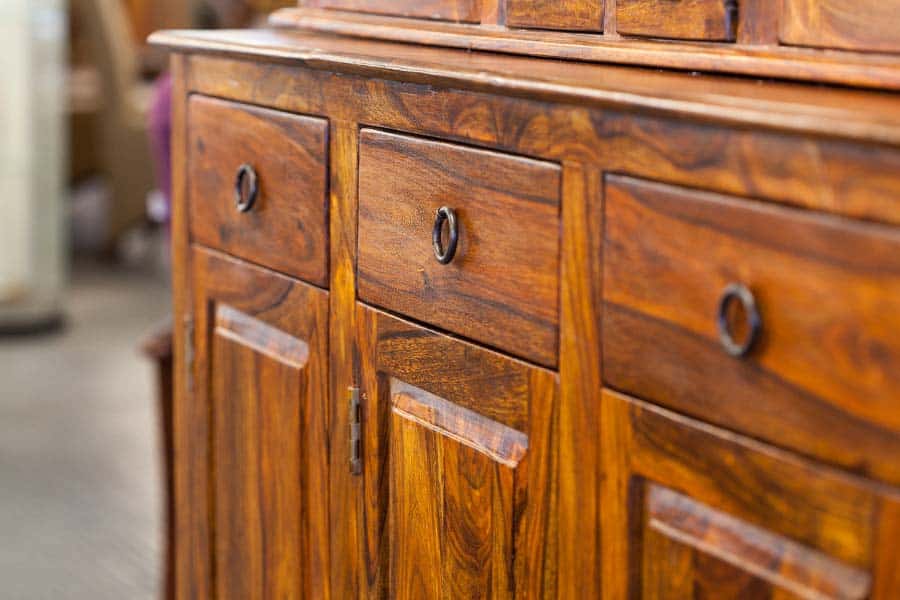
While the process matters, several broader factors ultimately determine overall quality.
Craftsmanship Experience
Years of experience influence precision, problem-solving, and attention to detail.
A seasoned craftsman anticipates how wood will behave and adjusts techniques accordingly.
Material Sourcing
High-quality furniture depends on responsibly sourced lumber with consistent grain and minimal defects.
Inferior wood may look acceptable initially but deteriorates more quickly.
Attention to Detail
Small details (aligned grain patterns, smooth edges, balanced proportions) separate average furniture from exceptional pieces.
Long-Term Durability
Quality furniture should age gracefully.
Properly constructed pieces resist warping, cracking, and joint loosening even with daily use.
Why Handcrafted Furniture Stands Apart
Mass-produced furniture often prioritizes speed and cost efficiency.
In contrast, handcrafted pieces prioritize material integrity, structural strength, and long-term performance.
Handmade furniture reflects human involvement at every stage, from selecting boards to final finishing touches.
This hands-on approach creates subtle variations that give each piece character.
Over time, these details contribute to durability and visual appeal.
A well-crafted table or cabinet becomes part of the home’s identity rather than just another functional object.
Investing in the Right Piece
When choosing handcrafted furniture, consider:
- The type of wood used
- Joinery techniques
- Finish quality
- Workshop reputation
- Customization options
Well-built pieces often serve multiple purposes.
If you’re exploring enhanced designs, check out options such as epoxy bar tables and tops at https://maxiwoods.com/collections/pubbar-height-tables to see how craftsmanship and structure come together in practical applications.
Handcrafted wood furniture is not just about appearance.
It is about thoughtful construction, carefully chosen materials, and the skill applied at every stage.
When those elements align, the result is furniture that not only looks refined but also withstands years of everyday use.