
For decades, I’ve found decorating my home means balancing dreams and doubts.
I tear pages from magazines, build Pinterest boards, and cross my fingers that the new sofa I ordered online doesn’t overwhelm the room.
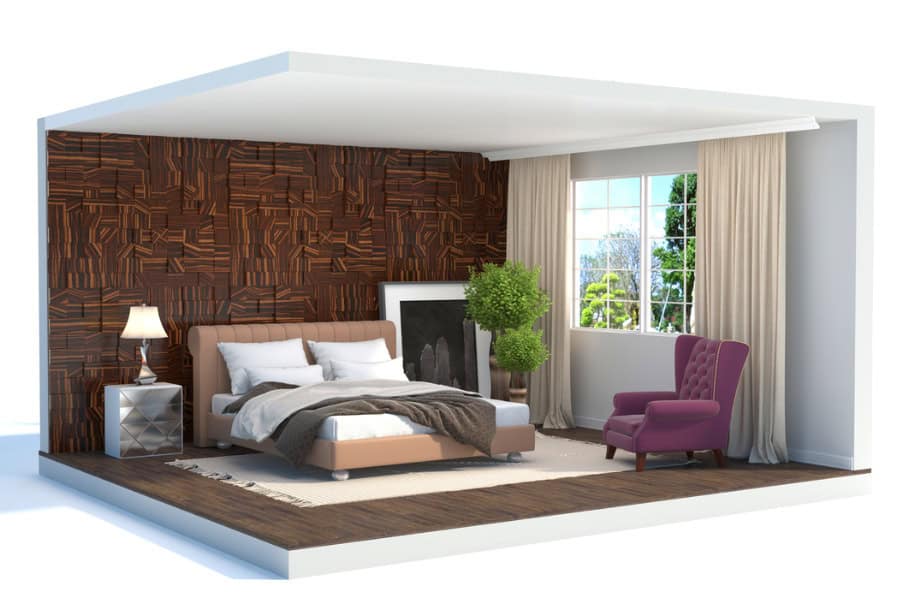
Even seasoned designers admit that translating a client’s vision into reality often involves a bit of guesswork.
That’s starting to change.
Across the design world, from global studios to first-time homeowners, people are turning to digital visualization tools to make decorating more precise, sustainable, and fun.
Seeing Before Buying: The Power of Visualization
Imagine browsing furniture online or imagining a restoration project and not just looking at a photo but rotating the piece, zooming in on its texture, and even dropping it into a digital version of your living room.
I often imagine that experience when I’m deciding on a big purchase or project.
That’s the everyday power of 3D modeling.
These lifelike renderings take away the “hope it fits” anxiety that haunts so many home makeovers.
Designers can now visualize proportion, lighting, and material interaction with near-photographic accuracy.
And as a homeowner, I feel confident investing in items I’ve already seen work in my space.
How Designers Use It to Rethink Homes
Today’s interior professionals rarely rely solely on flat sketches or swatches.
They combine creative intuition with high-fidelity 3D mock-ups that show every cushion, beam, and shadow.
You can preview how natural light shifts throughout the day or how different flooring options affect the mood of your room.
This transparency builds trust.
You don’t have to imagine what the finished project will look like—you can already see it.
That shared visual language reduces confusion, saves time, and leads to more inspired results.
From Mood Boards to Immersive Previews
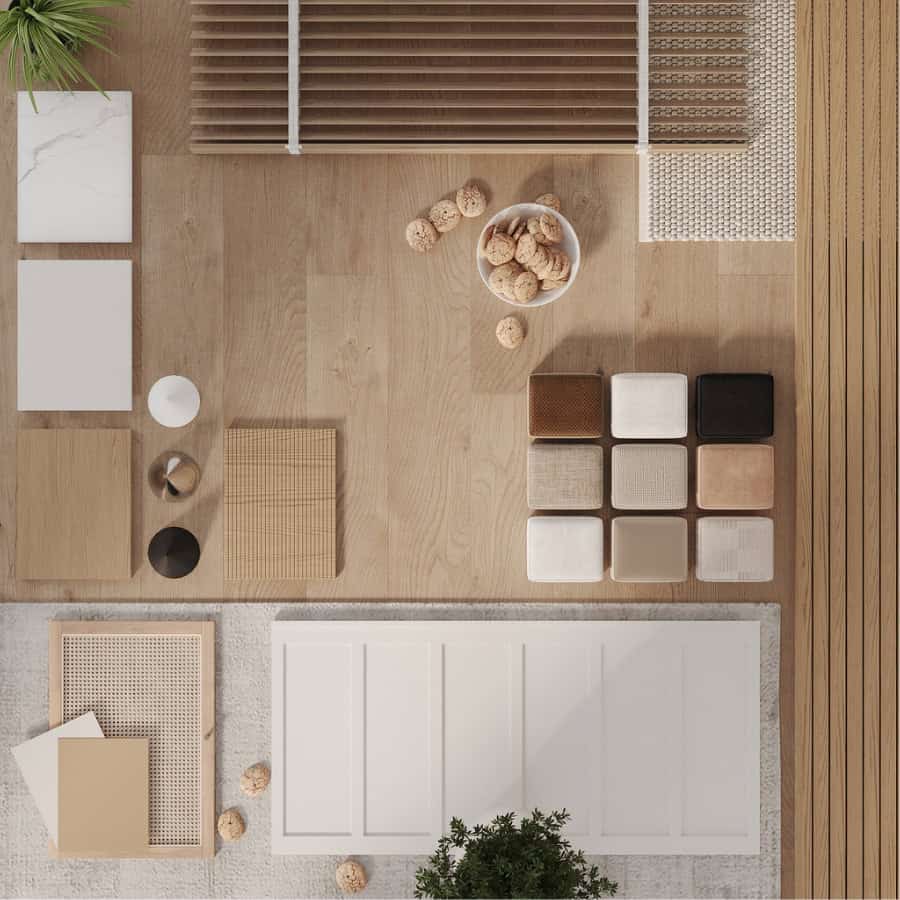
The familiar collage of fabric samples and color cards is evolving into fully realized digital rooms.
Designers now craft interactive 3D mood boards complete with textures, reflections, and scale-accurate furniture.
Want to see whether a brass light fixture clashes with your matte-black hardware?
You can test it instantly.
Wondering if that bold navy wall will darken your space too much?
Adjust the lighting simulation with one click.
What once required a leap of faith now happens with measurable clarity.
A Sustainable, Smarter Approach
Digital design isn’t just about convenience, it’s about responsibility.
Every mis-measured purchase or returned sofa means wasted materials, fuel, and packaging.
By previewing designs virtually, both professionals and homeowners drastically reduce unnecessary production and transport.
It’s one of the quiet revolutions of modern decor, less guesswork means fewer discarded resources.
What used to be trial-and-error decorating is becoming plan-and-perfect decorating.
Collaboration without Chaos
Every renovation has the same story, too many opinions and not enough clarity.
The architect visualizes one thing, the client imagines another, and the contractor interprets both differently.
3D product modeling changes that dynamic.
Everyone involved works within the same visual model, adjusting colors, finishes, and layouts together.
It’s the reason more design teams now rely on professional services to unify vision and execution.
I’ve seen teams move from long email chains to shared 3D rooms and suddenly everything becomes clearer.
The Artistic Side of the Digital Revolution
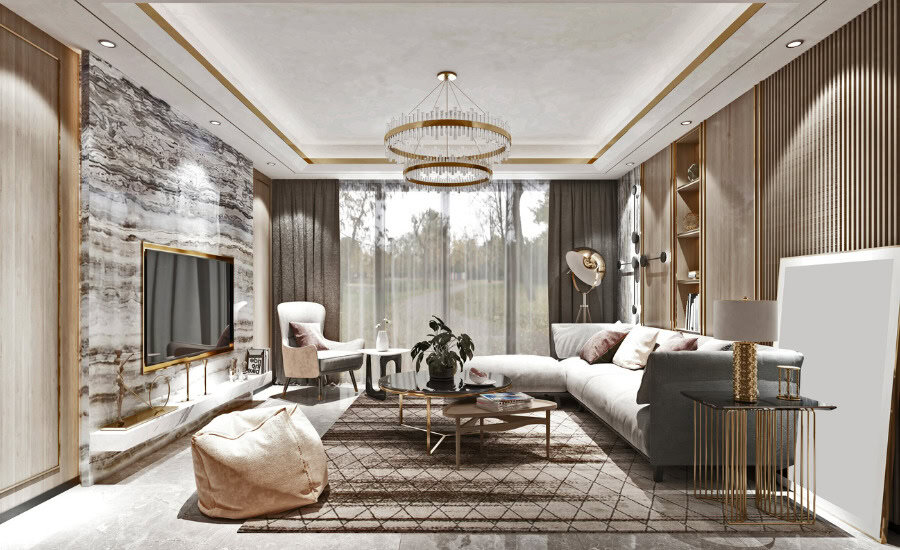
Behind every digital model is a designer’s eye, and that’s what makes this technology so captivating.
Lighting angles, reflections, and textures aren’t auto-generated; they’re carefully composed the same way a photographer frames a shot.
This blend of art and technology has given rise to a new kind of designer, part artist and part technologist, who can bring imagination to life pixel by pixel.
Digital doesn’t mean sterile.
It means expressive, detailed, and fully under your control if you’re the one designing.
Why Homeowners Love It Too
If you’ve ever felt intimidated by design terminology, 3D visualization changes that.
You can walk through a virtual version of your future kitchen, test countertop materials, or swap cabinet colors in real time.
It turns what used to be a nerve-wracking decision into a shared experience.
Families even use it to debate options, letting everyone vote on design choices before renovation starts.
When you can visualize what you’re creating, you take ownership of it.
That connection makes a finished space feel even more personal.
A Glimpse Into the Future of Home Decor
Technology rarely stands still, and design is no exception.
Virtual reality headsets already let you enter your unbuilt home.
Augmented reality phone apps project furniture into real rooms at scale.
AI is even learning to suggest layouts based on your taste and the lighting conditions.
Yet 3D modeling remains the foundation that makes all of this possible.
It’s the bridge between imagination and execution, the blueprint of the modern home.
The line between creativity and construction has never been thinner.
With 3D visualization, your next design project isn’t a gamble; it’s a guided experience.
Whether you’re refreshing a single room or building from the ground up, digital design helps make sure what you dream is what you get.
What About You
Would you plan your next renovation in 3D before touching a single wall, or do you still trust your instincts and sketches?
Either way, one thing’s for certain, digital design has officially earned its place right next to the paintbrush and the measuring tape.