
Wealth applied to home development used to give somewhat predictable results.
The telltale signs of higher ambition were larger rooms, imported stone, elaborate workmanship, and vast acreage.
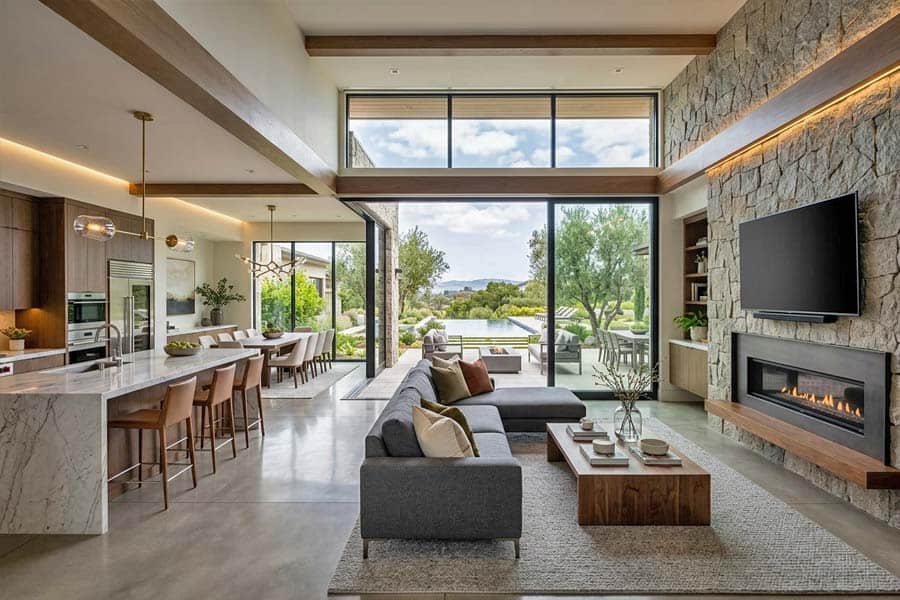
What’s striking is that high-end clients today have fundamentally different demands, and the buildings that result from those discussions don’t resemble anything that wealthy homeowners of the past generation would have considered aspirational.
The Specialists Behind the Shift
The outcome is significantly shaped by hiring a luxury home architect whose firm truly understands this developing dialogue.
Sourcing unusual materials, coordinating expert fabricators, and working with clients whose expectations go beyond traditional contractor experience all require a specific level of professional skill.
What I find particularly telling is that firms at this level view their projects as long-term partnerships rather than transactions that are finished upon handover.
Sustainability as Genuine Ambition
Moving Past Symbolic Gestures
Solar panels positioned for aesthetic rather than performance reasons, along with reclaimed lumber elements added above otherwise unimpressive specs, are examples of tokenism that discerning clients have grown more frustrated with.
At the highest level of residential building, meaningful environmental commitment includes significant rainwater harvesting, ground-source thermal systems, passive home certification, and documented material supply chains from extraction onwards.
This level of thoroughness is more expensive to achieve and much more expensive to validate, which is exactly why it signals sincere intent rather than commercial convenience.
Carbon as a Design Constraint
Clients who would have previously only considered capital cost and specification quality now include whole-life carbon calculations in their project requirements.
When compared to concrete and masonry alternatives, structural timber frames, hempcrete infill panels, and lime-based exterior renders carry significantly lower embodied carbon.
This kind of environmental accounting now happens at the highest budget levels without sacrificing material refinement or spatial ambition.
Wellness Woven Into Structure
Circadian lighting systems, which gradually adjust color temperature throughout the day without any input from you or anyone else in the home, have expanded from boutique healing retreats into private residential builds.
Air quality monitoring linked to responsive ventilation adjusts fresh air delivery in real time based on particulate readings, rather than running on fixed schedules.
Acoustic separation between different activity zones now gets the kind of engineering attention that was once limited to recording facilities and performance venues.
Swimming pools are increasingly housed inside climate-controlled spaces that include chromotherapy lighting, UV sanitation, and humidity control as standard features rather than optional extras.
Gym and spa infrastructure that meets professional operational standards now fits within residential footprints where earlier generations would have used the same space for formal reception rooms that were rarely visited.
The Relationship Between Inside and Outside
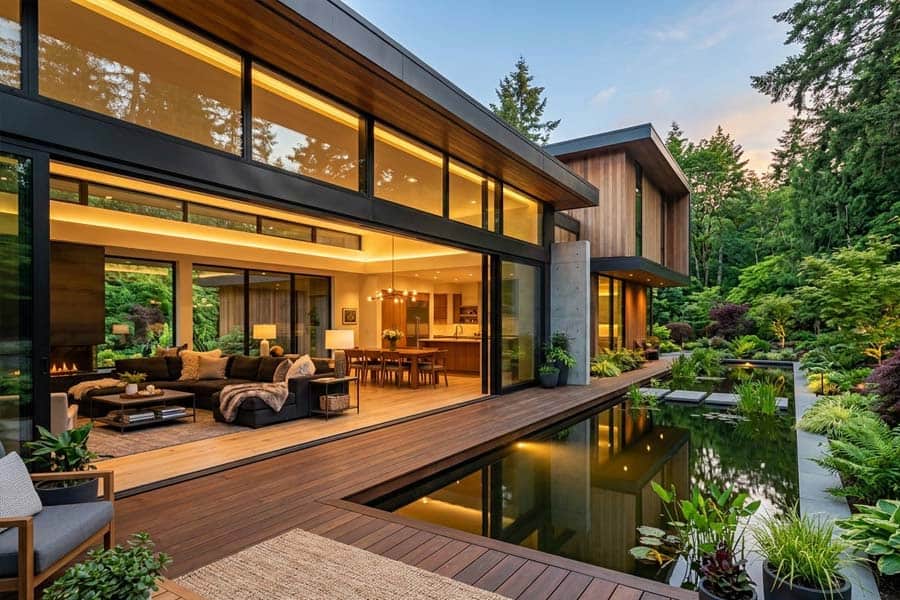
Thresholds That Dissolve Seasonally
In temperate regions, glazed structures that open central living areas to the garden can make outdoor spaces genuinely usable for most of the year.
Radiant ceiling panels, retractable roofing systems, and discreet wind screening extend that window without any obvious mechanical intrusion.
When landscaping is planned alongside the architecture rather than after occupancy, it creates environments where the transition between the cultivated exterior and the built interior feels seamless rather than abrupt.
Water as a Spatial Element
Reflective ponds placed near key facades shift the apparent scale of a building while providing acoustic softness that planted barriers simply can’t match.
Infinity edges aligned with important views effectively extend your visual ownership without requiring additional land, by borrowing the landscape beyond the property boundary.
Internal courtyards with shallow water features help manage the microclimate and offer audible focal points that go well beyond what’s visible from nearby rooms.
Bespoke Fabrication Over Standard Supply
The layer of detail that separates truly exceptional interiors from thoroughly planned conventional ones comes from joinery workshops creating cabinetry tailored to each commission, stone masons cutting material to exact dimensions within a specific design language, and metalwork fabricators producing hardware you won’t find in any catalogue.
Lead times increase accordingly, and honest management of client expectations around the program needs to happen from the very beginning of the appointment.
Technology as Infrastructure Rather Than Feature
There’s a key philosophical distinction between automation technologies that are quietly built in during construction versus those overlaid onto a finished building after the fact.
When mechanical, electrical, and data infrastructure is designed as a coordinated network from the start, technology supports how you actually live rather than demanding attention for its own sake.
The most thoughtful commissions in this space are defined by their quiet operational competence: no obvious gadgets, just consistent performance.
A Standard That Keeps Moving
Luxury residential design has always reflected the concerns of its time, and that hasn’t changed.
What sets today’s most thoughtful commissions apart is the range of what they take seriously: environmental accountability, occupant well-being, technological intelligence, and material integrity are all given equal weight alongside architectural spaciousness.
Buyers at this level are increasingly aware that genuine quality doesn’t announce itself at completion but reveals itself gradually over years of use.
Homes created with that long-term perspective give back to their occupants in ways that specification sheets never quite manage to capture, and I think that’s what makes them worth every bit of the investment.