
Creating a backyard suited for entertaining starts with thoughtful zoning for dining, lounging, and cooking.
Prioritize durable, weather-resistant materials that can handle Canadian seasons. Add ambient lighting, a fire feature for cooler evenings, and plantings that provide privacy.
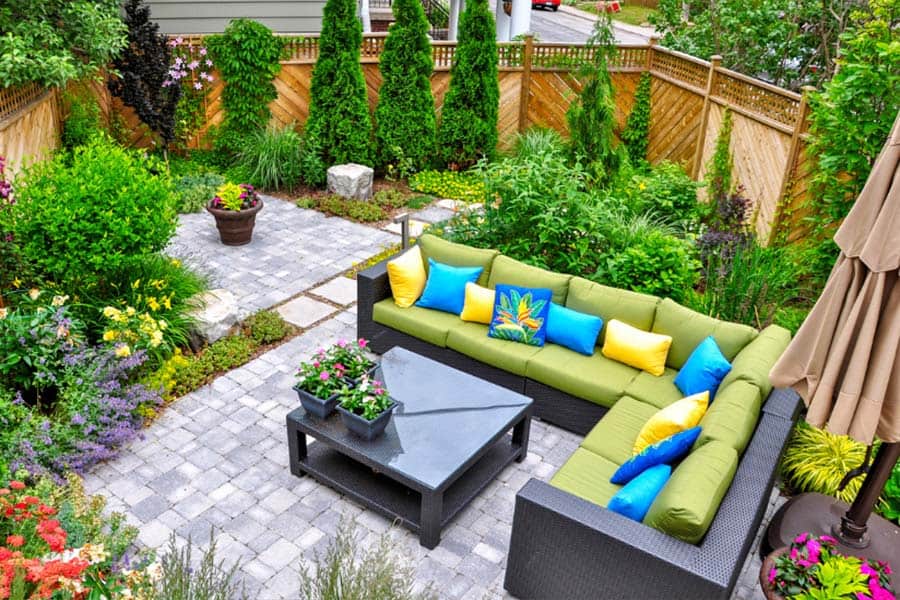
Keep traffic flow intuitive so guests can move easily between spaces. With careful planning, your backyard can become a natural extension of your home for gatherings.
Turning that vision into reality requires more than a grill and patio furniture. It requires planning that balances appearance, function, and Canadian climate realities.
When considering the layout, some homeowners review examples of backyard landscaping by Tazscapes to see how hardscaping and softscaping work together for gatherings both large and small.
This approach helps each element serve a purpose while maintaining visual consistency through the seasons.
Core Principles for a Functional and Inviting Entertainment Space
Strategic Zoning for Seamless Flow
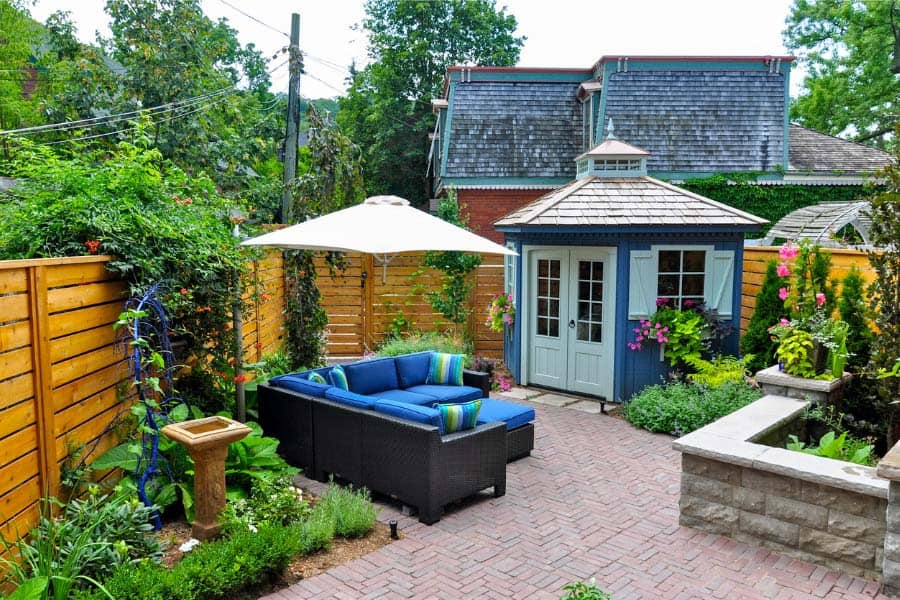
Strong backyard design starts with intentional zoning.
Divide the space into defined areas: a cooking station near the house, a dining zone with stable surfaces, and a lounging area positioned to capture views or evening light.
Keep pathways at least one metre wide so guests can move comfortably between areas.
Clear sightlines between zones help guests stay connected even when spread across the yard. Thoughtful backyard design also prevents bottlenecks during gatherings.
Pro tip: Use changes in flooring materials such as decking, gravel, or pavers to define zones without installing physical barriers.
Material Choices Built for Canadian Seasons
Selecting durable materials is essential.
Frost-resistant pavers, composite decking, and natural stone hold up well through freeze and thaw cycles. When choosing plants, prioritize native varieties that thrive locally with minimal maintenance.
Look for outdoor products rated for at least 50 freeze-thaw cycles to improve longevity.
A quick reference for common materials:
| Material | Best For | Climate Consideration |
| Concrete Pavers | Patios, walkways | Choose sealed options to resist salt damage |
| Composite Decking | Elevated decks, seating | Resists moisture and splintering |
| Natural Stone | Fire pits, accent walls | Holds heat during cool evenings |
| Cedar or Redwood | Privacy screens, planters | Naturally rot resistant but needs periodic sealing |
Slip resistance also matters. Textured or sandblasted surfaces perform better when wet and reduce accident risk.
Planning Your Investment Realistically
Backyard landscaping costs vary depending on property size, materials, labour complexity, and added features such as lighting or irrigation.
A basic patio refresh may start in the mid four-figure range, while larger upgrades with outdoor kitchens or custom stonework cost more.
Industry data shows Canadian homeowners often spend between $8,000 and $25,000 on mid-range upgrades. High-end projects can exceed $50,000.
Set aside 10 to 15 percent of your budget for unexpected expenses. Prioritize essential features such as drainage and a stable patio base before optional upgrades.
Layered Lighting for Ambiance and Safety
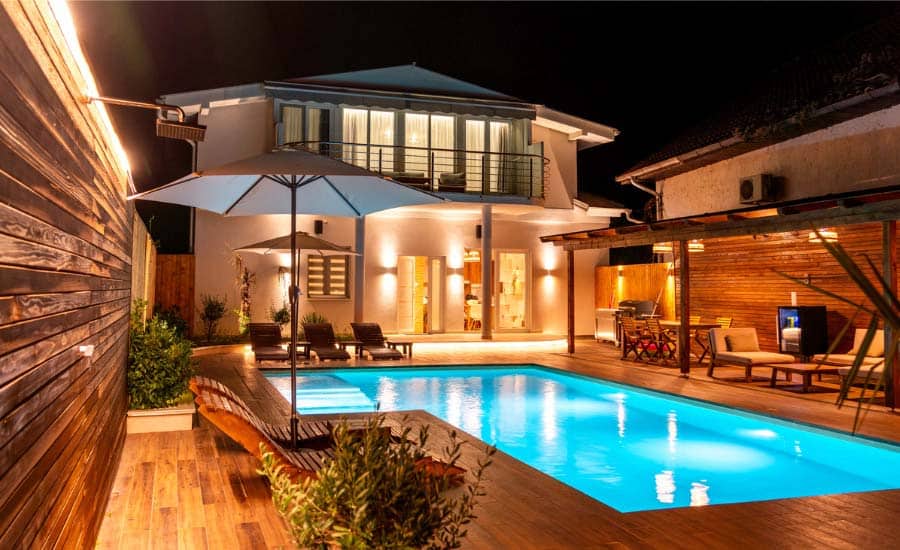
Lighting changes how a backyard functions after sunset.
Combine three layers: task lighting for cooking areas, ambient lighting for dining spaces, and accent lighting for trees or pathways.
Position task lighting 24 to 30 inches above work surfaces and aim for 300 to 500 lumens in cooking areas.
Solar lights install quickly, while hardwired systems offer greater reliability. Dimmable fixtures allow easy adjustments for different activities.
Motion-sensor path lights also improve safety when guests walk through the yard at night.
Features That Extend Your Entertaining Season
With the right additions, your backyard can stay useful well into spring and fall.
A fire pit or outdoor fireplace adds warmth and becomes a natural gathering point. Natural gas units offer quick ignition, while wood-burning versions provide a traditional feel.
Pergolas with retractable covers or polycarbonate panels provide shade in summer and protection from light rain later in the year.
Infrared patio heaters can extend outdoor use by several weeks on both ends of the season.
When exploring backyard landscaping ideas, prioritizing versatile features allows the space to stay active longer each year.
Privacy and Natural Integration
Plants and screens can transform a yard into a secluded retreat.
Tall ornamental grasses, evergreen shrubs, and lattice panels with climbing vines soften boundaries without blocking sunlight.
For year-round privacy in colder climates, cedar hedges or juniper varieties stay dense through winter.
Water features such as small recirculating fountains can also mask neighbourhood noise.
Layer plantings at multiple heights including groundcovers, shrubs, and tall screens to improve both privacy and visual depth.
Taking Your Entertaining Vision to the Next Level
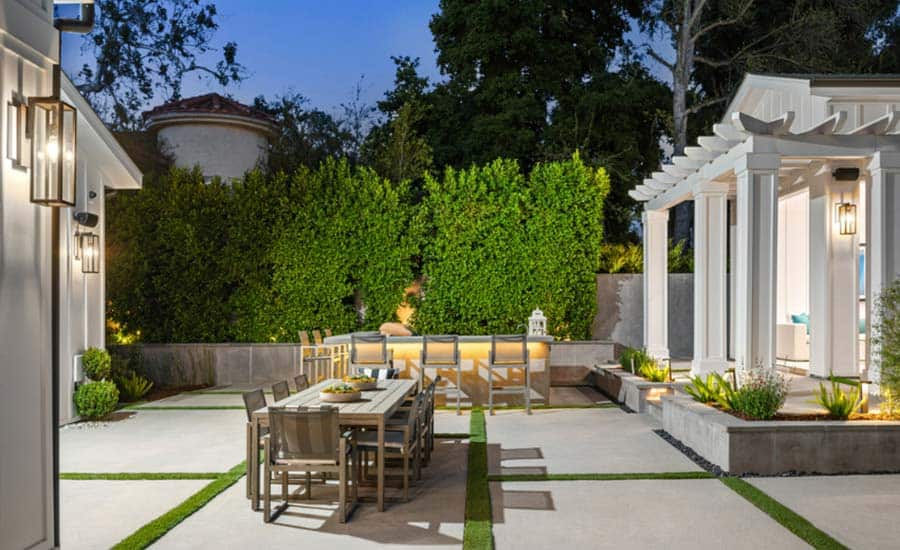
Start Small, Scale Smart
You do not need to upgrade the entire yard at once.
Begin with smaller improvements such as weather-resistant cushions, solar path lights, or a portable fire bowl. These upgrades help refine your layout before committing to larger installations.
Test temporary solutions when possible. For example, rent a patio heater before purchasing one or use outdoor rugs to experiment with seating zones.
Seasonal Prep Checklist for Stress-Free Hosting
| Season | Quick Tasks | Entertaining Boost |
| Spring | Power wash surfaces, prune plants, check lighting | Add potted annuals for color |
| Summer | Clean grill, edge lawn, replenish mulch | Set up a self serve drink station |
| Fall | Store cushions, clear gutters, service fire features | Add warm string lights |
| Winter | Inspect hardscaping and plan spring projects | Offer hot drinks during outdoor gatherings |
Low-Maintenance Features That Impress Your Guests
Choose elements that look attractive without constant upkeep.
Drought-tolerant perennials such as sedum and ornamental grasses add texture with little watering. Built-in benches with storage keep blankets and games organized.
A durable outdoor rug can define seating zones and be stored during severe weather.
Artificial turf in high-traffic areas also reduces mowing and muddy patches.
When to Bring in Expert Guidance
Large projects such as drainage installation, permanent lighting, or multi-level decks often benefit from professional guidance.
A designer can help navigate local bylaws, select appropriate materials, and develop a cohesive plan before construction begins.
Initial consultations often cost $150 to $300 and can help identify drainage issues, property line concerns, or permit requirements early.
Simple Touches That Improve Gatherings
Small details can improve guest comfort.
Keep a basket of blankets near seating areas for cooler evenings. Background music from a discreet speaker system adds atmosphere without overpowering conversation.
Provide multiple seating heights including benches, chairs, and floor cushions.
A weatherproof bin with items such as citronella candles, bug spray, and sunscreen can also be useful during gatherings.
Your Backyard, Your Gathering Place
An outdoor entertaining space does not require elaborate features. Start with the elements that matter most to you.
A flexible layout allows the yard to evolve as plants mature and new additions are installed over time.
The most welcoming backyards focus on comfort, practical design, and spaces where guests naturally gather.
Walk through your yard with fresh eyes, identify what works and what does not, and begin with one project this season.