
Have you ever looked around your living room and wondered why it still feels like a pandemic-era bunker instead of the calm, stylish space you hoped for?
Many people are refreshing their homes because our spaces now carry more emotional weight than before.
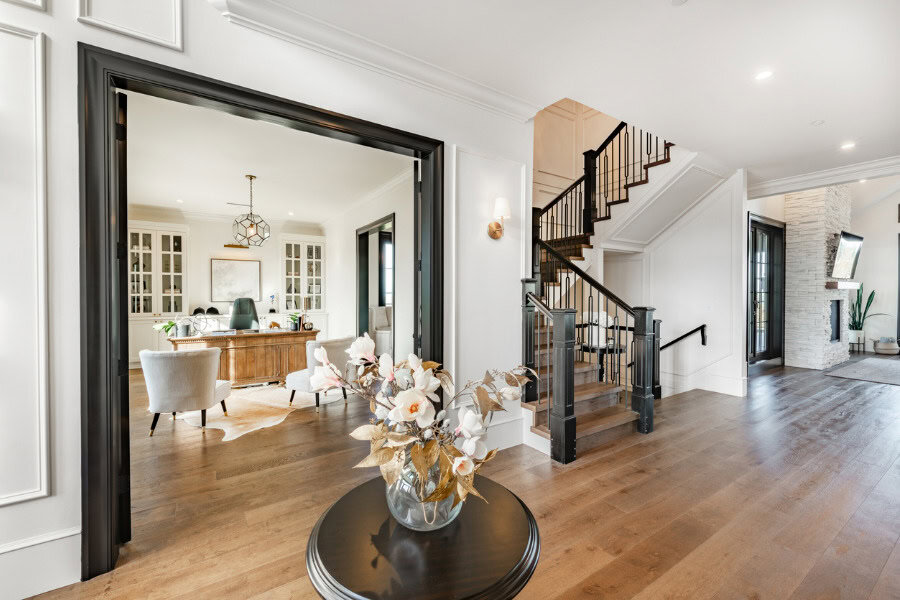
I’ve noticed designers know this shift well. The ideas they rely on reveal how much our homes reflect changing lifestyles, tighter budgets, and a desire for comfort that feels intentional rather than improvised.
Seeing Your Home with Fresh Eyes
Designers begin with a mindset shift, not a shopping list.
They walk into a space and observe how people actually move, relax, and work.
This approach has become even more important as remote work blurs the line between personal and professional life.
When you look at your own home this way, it becomes easier to pinpoint what feels crowded, dim, or awkward.
I recommend starting with small updates like clearing blocked pathways, improving lighting angles, or adjusting furniture scale. These can make rooms feel balanced.
The trend toward minimal, functional environments does not mean empty rooms.
It means choosing pieces that support how you live now!
I always tell people to think of what slows you down or irritates you. If your sofa feels too big for the room, or your side tables barely hold a lamp, those are clues.
The Power of Functional Upgrades
Designers often point out that a space improves when the items you rely on work smoothly.
That idea has grown more popular as people juggle family schedules, hybrid work, and tighter economic choices.
I’ve seen many homeowners now rent appliances, tools, or equipment when needed. This avoids big costs while still improving daily routines.
Companies that provide home improvement services also help people make upgrades that feel realistic and timely.
For example, homeowners who want smoother access to their garage or workshop often turn to trusted names like Overhead Door Company.
They are known for offering reliable options that do not require a full remodel.
These types of well-planned improvements save time each day. They make your home feel more supportive without becoming a financial headache.
I also want to highlight how functional upgrades often have emotional payoffs.
A kitchen drawer that finally opens all the way or a door that stops sticking can lower stress in surprising ways.
People are tired of cluttered, glitchy spaces that remind them of the uncertainty of recent years.
Reliable tools and practical changes signal stability. They help create a calm and predictable environment. This is something I believe many families value more in today’s fast-moving world.
Color Choices That Shape Your Mood

Color trends shift with the times, often reflecting the public mood.
I’ve noticed designers have moved toward calm, earthy tones because people want rooms that help them unwind.
Warm greens, clay browns, and soft creams feel grounded and safe.
These colors also pair well with wooden textures, woven baskets, and natural fabrics. They reflect a broader cultural interest in slowing down and living simply.
Color does not need to be dramatic to make an impact. Even a single wall in a warmer shade can make a room feel more settled.
If you prefer energy over calm, brighter palettes still work as long as they fit your personal rhythm.
I suggest choosing a color that supports what you do in a room.
A lively yellow can brighten a home office. A muted blue can help a bedroom feel more restful.
The secret is consistency. When colors move smoothly from one space to another, your home feels intentional rather than pieced together.
Letting Light Transform Your Rooms

Good designers treat lighting as a tool that shapes mood and function.
After years of people working from bedrooms and eating in the same rooms where they take Zoom calls, I can tell you lighting matters more.
Soft, warm bulbs create comfort for evenings. Brighter, cooler bulbs help with focus.
Instead of relying on one overhead source, I recommend layering table lamps, sconces, and task lights to create depth.
This layered approach also helps highlight features you already have.
A bookshelf looks more polished with a small spotlight. A hallway becomes inviting when the lighting shifts from harsh to warm.
These changes are inexpensive but carry meaningful impact. They make rooms feel finished.
I’ve also learned that good lighting supports mental well-being. This is an idea that designers have leaned into as more research emerges about how brightness and color temperature influence mood and alertness.
Mixing Old and New for Character
Home design today often reflects a backlash against disposable trends.
Many people now want spaces that feel personal and grounded instead of showroom-perfect.
I love how designers achieve this by blending modern pieces with objects that have history.
A vintage mirror, an old
This trend also aligns with sustainability goals as people try to reduce waste and reuse what they already own.
Mixing items of different ages creates warmth and subtle storytelling.
A sleek sofa next to your grandmother’s side table feels balanced and inviting rather than mismatched.
I recommend keeping at least one textured piece in each room. This softens crisp edges and breaks the monotony of newer surfaces.
Creating Spaces That Adapt to Your Life

Flexibility has become one of the biggest design priorities because our routines keep shifting.
I’ve watched designers build rooms that multitask without looking cluttered.
A dining area might also serve as a homework station. A living room corner might double as a yoga spot.
Instead of packing rooms with furniture, I suggest choosing items that move easily or fold away.
Rolling carts, slim bookshelves, and nesting tables are simple ways to expand what a space can do.
This approach mirrors a broader trend toward practical living.
People want homes that support change instead of feeling rigid.
I believe your home should grow with you. Whether you are hosting friends, adjusting to a new job schedule, or making room for hobbies, designing with flexibility in mind makes your space feel prepared rather than overwhelmed.
Design That Grows with You
Many of the makeover secrets designers trust reflect a deeper cultural shift toward stability, comfort, and practical creativity.
As people rethink how they live, work, and unwind, I’ve found the best design choices are the ones that make daily life smoother and more meaningful.
Your home can evolve with your story when each choice is thoughtful, functional, and grounded in what matters most.