
The front of your home speaks before you do. Loose gravel, uneven paths, or patchy grass send the wrong message.
Most homeowners want something cleaner, more organized, and easier to walk through.
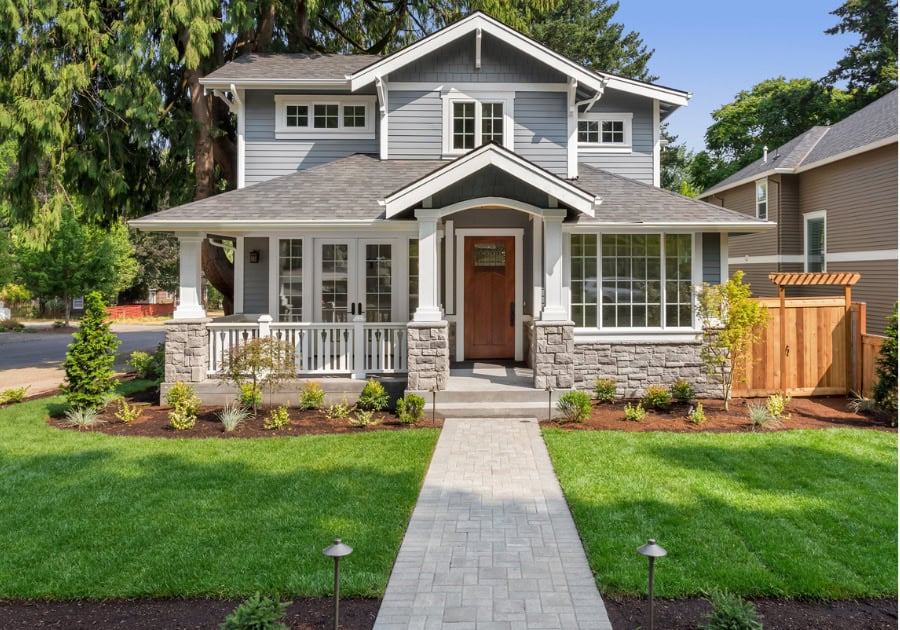
The problem often starts with ignoring the layout or materials already in place.
A few changes can shift that. With the right surface, edges, and greenery, your outdoor areas become more usable and easier to maintain without overhauling the entire yard.
Assess the Layout Before You Make Changes
Start by walking your property. Notice how each area connects or interrupts movement.
Look for gaps, dead ends, or narrow zones that create bottlenecks. Identify how people move from the driveway to the entry, or from the patio to the yard.
Pay attention to how light hits certain spots, how water flows, and where soil erodes. If grass never grows in one area, that space may need stone or turf.
If water pools near a path, better grading or a different surface might help.
I recommend making a rough sketch to mark these problem zones. This gives you a clear view of what to fix first as you improve the curb appeal of your property.
Add Greenery to Frame and Soften Hardscape
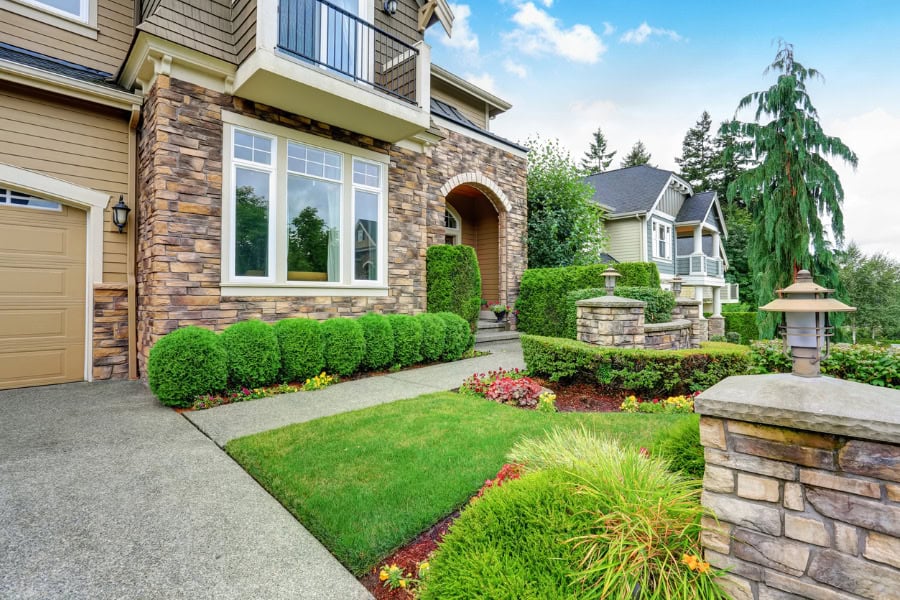
Plants can reshape how your yard feels without heavy construction. They soften edges, hide flaws, and bring color to neutral surfaces.
Even narrow strips along a driveway or between stepping stones offer planting potential.
Use low-growing groundcovers to fill space between pavers. Add ornamental grasses or compact shrubs along paths to guide the eye.
Choose native plants that thrive with little maintenance and tolerate sun or shade as needed.
If live grass struggles, consider synthetic turf for tough spots. A reliable distributor can help you find a durable option that works well near walkways or driveways.
It stays neat year-round and blends well with surrounding greenery.
Update the Surface for Better Durability and Design
The material underfoot matters. Old concrete cracks. Loose gravel shifts. Uneven bricks become trip hazards.
Replacing or resurfacing paths and parking areas can solve safety issues while improving appearance.
Consider pavers for a clean, structured look. They come in various shapes and colors and handle both foot and car traffic well.
Stamped concrete offers a pattern without individual stones. Crushed granite compacts tightly and works in informal settings.
Define Walkways That Connect with Purpose
Paths do more than link one spot to another. They shape how people explore your yard.
A direct line to the front door makes sense, but curved paths through side gardens or toward seating areas create interest.
Use materials that fit your climate and style. Flagstone adds texture and works well in natural settings.
Concrete pads spaced with gravel suit modern designs. Wood planks or composite decking fit coastal or raised landscapes.
Edges matter too. A clean border of steel, stone, or low plants keeps the path defined and neat.
When each walkway has a clear start and finish, your entire space starts to feel more intentional.
Use Lighting and Accents to Complete the Look
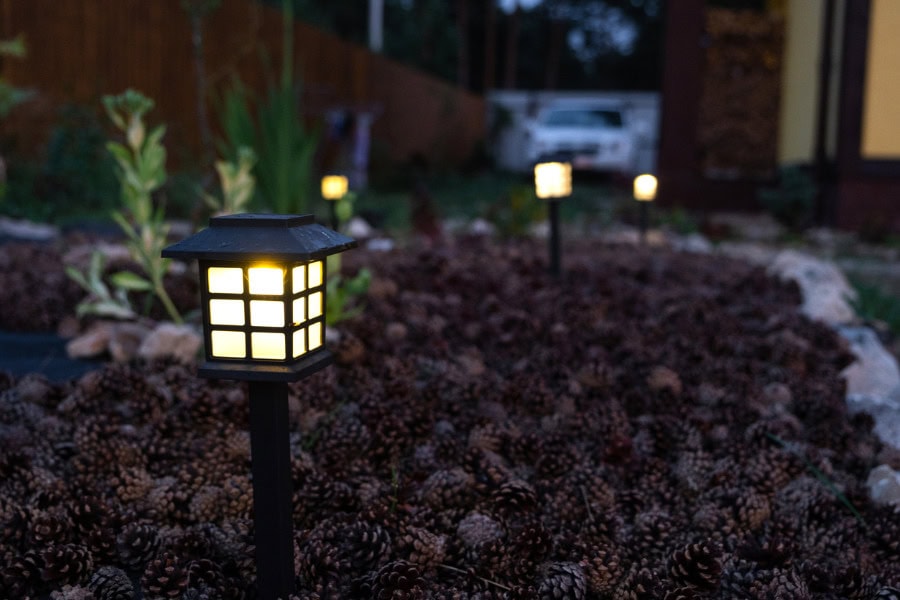
After sunset, most outdoor spaces disappear. Low-voltage lighting can fix that.
Line walkways with small path lights. Add uplighting near trees or architectural features to draw attention upward. Use soft, warm bulbs for a welcoming tone.
Beyond lighting, small accents make your space better. Add planters near entry points.
Use benches, stone markers, or short fences to frame different sections.
These details bring character without clutter.
Choose materials that repeat elements already in use. If the path has stone, match that tone in a planter.
If you use metal edging, consider the same finish for light fixtures.
This creates flow and ties everything together.
Building a Space That Works for You
Every change you make outdoors shapes how your space works and how it’s experienced.
A clear path, a clean edge, or a fresh surface can shift the entire mood of your property.
These updates don’t require a full remodel.
By improving the layout, upgrading materials, and choosing details with purpose, you build something more functional and more personal.
Even small adjustments add long-term value and comfort.
I believe you should start with what’s in front of you. Each decision leads to a more livable space.