
Your living room should be a place where you can exhale and slow down.
It’s where you land at the end of the day, host friends, and enjoy some of your favorite moments that turn into lasting memories.
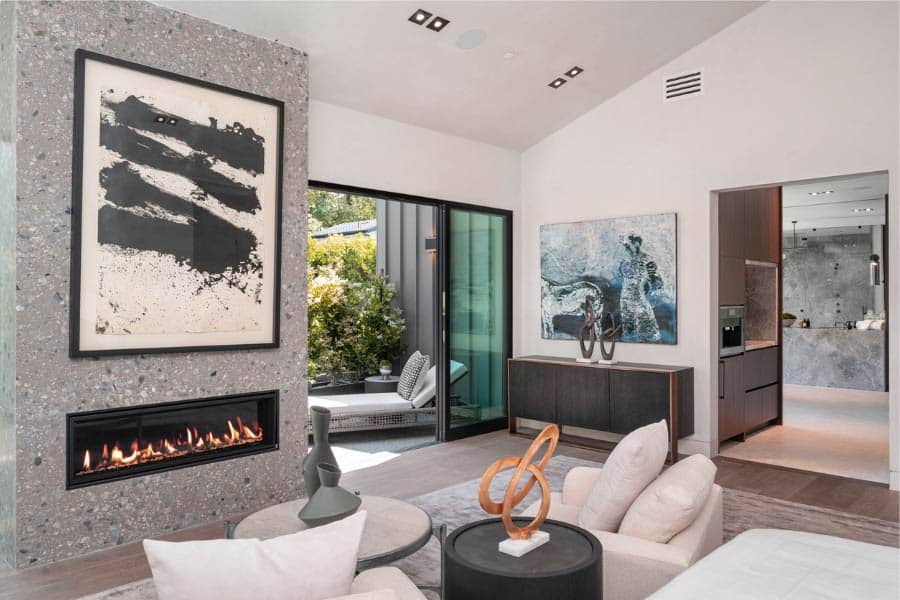
I believe making it feel like home is less about chasing trends and more about a few careful choices that support comfort and atmosphere.
Small tweaks in lighting, layout, and personal touches can change how the room feels without requiring a huge overhaul.
Layer Lighting for Warmth

Lighting helps set the mood of a room.
A single overhead light can make your living room feel flat and harsh, even when the furniture is comfortable, so I always recommend aiming for layers.
A floor lamp works well near a couch, a table lamp might be best next to an armchair, and a soft glow from a shelf light can add a little extra warmth.
I suggest choosing bulbs with a gentle tone rather than harsh white to help the space feel relaxed in the evening, when the living room is most often used.
Lamps with fabric shades soften light and reduce glare, which makes conversation and quiet time more enjoyable.
If possible, use dimmers so the room can adapt to different moods.
Bring in Personal Art and Objects
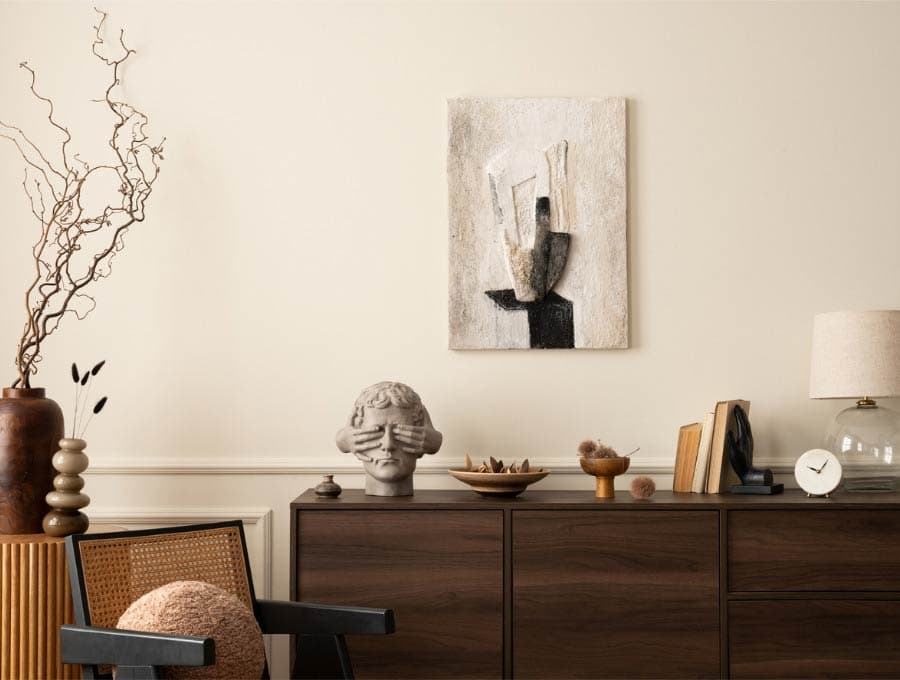
Art and objects with meaning help tell your story and make the room more unique.
Paintings, family photos, and travel souvenirs give the space more depth.
I think this might also be the perfect room for cultural or spiritual items that matter to you.
Thoughtfully chosen Judaica by Israeli artists can sit naturally alongside books and artwork, adding beauty and meaning without feeling too formal.
When these pieces are displayed as part of everyday life rather than tucked away, the room feels more personal.
I recommend not crowding every surface. Give special items room to breathe so each one feels intentional.
Use Textiles That Invite Touch

Soft textures can really impact how your living room feels.
Pillows, throws, and rugs make a room feel more welcoming because they invite you to settle in.
I’ve found that a couch often becomes more appealing when it’s layered with pillows or blankets in different fabrics.
I like to mix materials to add more atmosphere. Cotton, wool, and linen bring different feels, and together they create balance.
A rug underfoot can anchor the seating area and reduce noise, which makes the room feel calmer.
Small changes, like swapping pillow covers with the seasons, can refresh the space without too much cost or effort.
Arrange Seating for Real Conversation
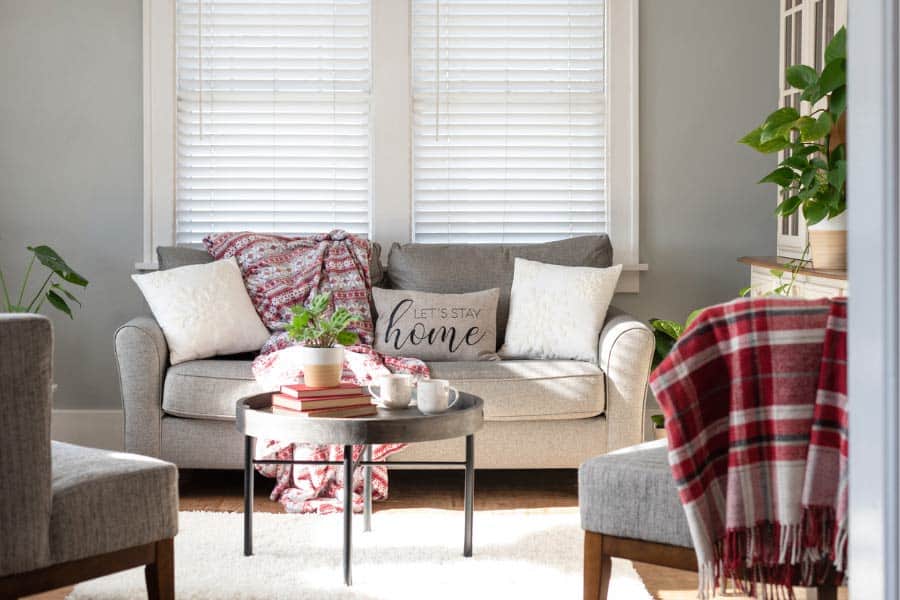
Seating pushed against walls can make a room feel stiff and disconnected, so I suggest bringing chairs and couches closer together for better conversation.
Think about how you use the room most often.
If you host friends, make sure everyone can face each other without strain.
If the space is for family time, keep seating flexible so it supports different activities.
A thoughtful layout slows things down and makes guests feel welcome.
Let Scent and Sound Set the Mood
Scent and sound can also shape how a room feels.
Candles, houseplants, flowers, and diffusers can have as much of an effect as furniture.
I always tell people to be careful not to use overpowering scents, and aim for something that gently supports the room.
Soft music, the hum of a record player, or quiet nature sounds can help create a calming atmosphere.
Curtains and rugs help absorb sound, which reduces echo and makes conversations feel more intimate.
With a little care, your living room will feel like a true home in no time.