
When I look at yards as a homeowner, I generally focus on the above-ground landscape.
The grass, plants, trees, and even landscaping features that help establish curb appeal are all above ground and visible.

However, your yard’s underground systems play a crucial role in keeping that beautiful landscape thriving.
Irrigation systems, drainage systems, utility lines, soil structure, and root systems work together to keep everything looking great above ground.
When those systems function as they’re meant to, your yard can thrive with relatively little attention apart from the occasional treatment.
When they don’t function properly, the issues can manifest above ground in ways that are costly and time-consuming for you to remedy.
Understanding how all of these systems connect with and affect one another can explain why some yards seem to require little effort to stay looking beautiful while others struggle with persistent issues even with constant care and treatment.
The Irrigation System You Depend On
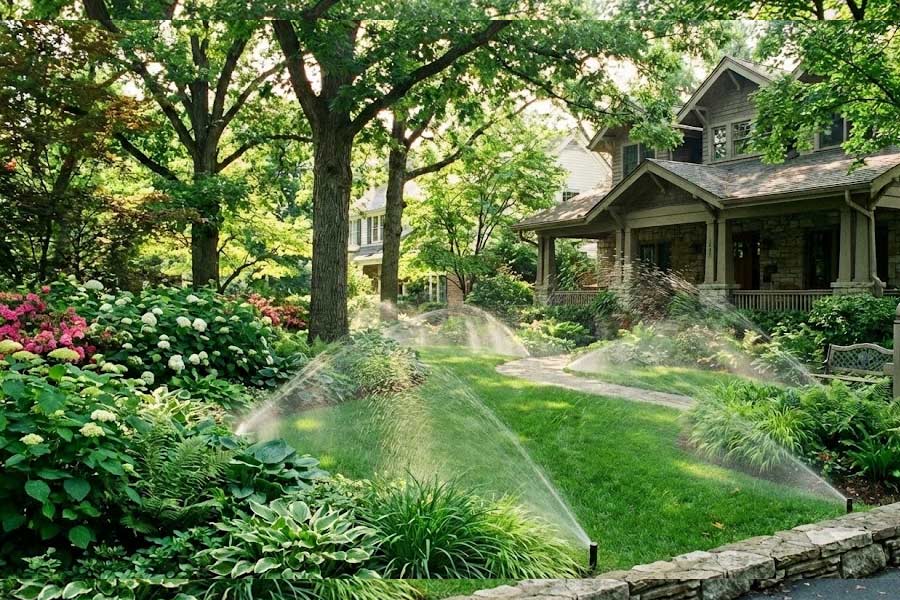
Irrigation systems are the most well-known of the underground systems in your yard.
They take the form of connected pipes, sprinkler heads, and other connections that ensure water can reach most if not all areas of your space.
The irrigation systems themselves don’t tend to cause issues.
Instead, they’re almost always affected by underground problems.
Issues such as broken pipes can lead to areas flooded with water, killing your grass and plants and leaving unsightly dead zones.
Clogged pipes can leave sections of your yard with constant dry patches despite your efforts at a consistent irrigation schedule.
Irrigation systems can directly impact various things above ground.
For instance, where the water reaches can affect almost everything growing above ground.
The pressure within irrigation systems also affects performance in ways that may not be immediately visible to you.
Leakage is another problem that can reduce the pressure of your irrigation system.
This pressure loss will reduce the quality of your sprinklers’ performance even if they appear to be functioning as normal.
That pressure loss will cause your irrigated areas to develop patchy grass and otherwise uneven growth that ruins the look you’re going for.
To learn more about sprinkler issues or upgrades, I recommend consulting a professional service for sprinkler repair that focuses on below-ground systems rather than surface-level symptoms.
The Drainage System That Keeps Your Yard from Flooding
The second main underground system is a drainage system.
Much like a plumbing system, this underground network of drains and pipes helps remove water from the surfaces in your yard.
Most areas of your space feature some form of drainage system, including French drains or gravel-filled installations.
The drainage system itself doesn’t impact much about what you see above the surface.
However, poor drainage creates issues that directly impact your above-ground space and how it looks.
When water builds up in areas of your yard due to poor drainage, it can have various negative effects.
First, it will create a perfect environment for mosquitoes to breed.
Second, when the area dries out, leftover stagnant water will become a breeding ground for various plant diseases.
One of the most serious issues caused by poor drainage is waterlogged grounds.
Waterlogged soil will kill your grass and plants in an area when it becomes saturated beyond measure.
The dense moisture levels will make it difficult for the roots to breathe.
In some cases, droughts can also lead to drainage issues above ground.
Drought conditions can lead to irrigation systems that malfunction or break within certain areas of your yard.
The absence of water from these systems makes it impossible for your drainage system to funnel it away.
The interconnectedness of those two processes becomes an issue when the irrigation system leak affects areas with poor drainage capabilities rather than functional ones.
Drought areas also lead to issues with aquatic ecosystems forming around drip zones through overhanging trees and other shaded regions.

Utilities Under Your Yard
Most underground utility systems also exist beneath your yard.
Gas lines, electrical lines, and even communication systems will run below-ground along the same pathways as the utilities you tend to see on the surface.
These utility lines impact your above-ground landscape in various ways.
For instance, utility lines don’t directly affect the performance of most plants.
However, they do have an indirect effect on your drainage patterns by limiting where larger plants, such as trees, can grow due to the expanse of their root systems.
Gas line clearances will also influence everything from where trees grow to how deep irrigation trenches can be dug.
These lines will also determine how well certain plants do in their desired spots by impacting the permeability of your irrigation systems and leveling any damage done by them to your drainage system.
Electrical lines also provide power to your outdoor electrical outlets but only after being properly segmented and waterproofed to prevent water damage caused by overhanging irrigation systems.
Be sure to remember these underground utility lines when you’re installing other underground systems like irrigation or drainage.
The Underground Soil Structure
Another underground issue is the soil itself.
Soil structure beneath your yard can impact everything growing above it.
Soil compaction is one issue you may face that directly affects plant growth above ground.
Compaction typically develops into a hard layer that reduces how often water seeps through on its way to the roots.
Roots in compacted soil tend not to go deep due to the inability to easily penetrate the hard soil structure.
Soil composition affects various things about your yard above ground.
The compactness will influence how much water accumulates in certain areas depending on the type of soil.
Overly compacted soil will cause certain areas to become dry due to runoff rather than allowing the moisture to seep into those areas correctly.
Soil types vary in their permeability levels.
Sandy soils will drain fast while clay-heavy soils retain more than enough moisture.
Tightly compacted soil places a restriction on root system growth patterns and features around your yard for large plants.
Clay-heavy soils drain too much moisture from irrigation systems but allow enough water accumulation for their drainage systems to cope effectively after rainfall ends.
Root Systems Below Ground
Root systems for large plants create their own underground structures.
As their root structures spread through an area under your yard, they tend to interact differently with each type of system I’ve mentioned.
Tree roots within large plants tend to damage irrigation systems as they grow through and around them over time.
However, small plants’ roots also tend to display abnormal growth patterns that differ based on their interaction with certain irrigation systems.
Miniature shrubs may exhibit sparse root distribution that grows into an abnormal pattern based on attempts at correction from an overly watered irrigation system instead of a well-functioning one.
Small still-growing shrubs may also cover up a few of your other drainage systems by coating areas in additional aquatic ecosystems during rainy seasons or afterward.
I’ve found that root systems interact with almost every yard issue more frequently than you’d imagine.
Visual Signs That Indicate an Issue
Certain visual indicators within your yard may point toward underground system problems rather than issues with what you can visibly treat or trim.
If you notice various brown patches appearing during specific times in certain locations around your yard rather than spread throughout, it’s time to pay attention.
Those patches will usually indicate problems within some sort of irrigation issue rather than a problem with other methods you use to care for those trees or plants.
Areas with excessively growing grass could indicate an underground leak rather than one related to your traditional care methods.
Areas that feel wet underfoot but don’t feature puddles could indicate drainage or utility line issues beneath the surface rather than obvious surface problems.
Solutions to Your Problems
While many people focus on the above-ground landscapes of their yards, I think it’s essential not to forget the below-ground systems working silently but efficiently beneath those trees or other plants.
You should focus on regularly maintaining most of these systems while getting professional assessments done within specific time frames or when prompted by visible signs revealing persistent problems that traditional above-surface care seems incapable of addressing.
Taking care of these various underground systems often allows everything else in your yard above ground to showcase the lush, healthy landscape you’re proud to come home to!