
The Invisible Challenge in Your Home
Most of us spend nearly 90% of our time indoors, yet indoor air quality remains one of the most overlooked aspects of home health.
While we clean to create comfortable, hygienic homes, our routines can unintentionally stir up airborne particles, allergens, and microorganisms that affect our respiratory health.

Every time you reach for cleaning tools, whether it’s a vacuum cleaner for the carpets or a duster for the shelves, you’re not just removing dirt and debris.
You’re also creating a complex dance of particles in the air around you.
Understanding this hidden side of household cleaning opens the door to smarter, evidence-based approaches that keep your home both clean and healthy.
The Complex World of Cleaning-Generated Pollutants
When you clean, you unleash far more than just visible dust into the air.
Each cleaning session generates a mix of airborne pollutants that most homeowners never see coming.
These invisible culprits include ultrafine particles smaller than 100 nanometers, PM2.5 particles that can penetrate deep into our lungs, plus various bacteria, molds, and bioaerosols.
What makes this particularly fascinating and concerning is the sheer scale of what gets released.
During intensive cleaning, ultrafine particle emissions can reach a staggering 1.1 × 10^11 particles per minute.
These particles range dramatically in size, from a mere 0.009 micrometers to 20 micrometers, depending on what surfaces you’re cleaning, how much debris has accumulated, and which cleaning method you choose.
The troubling reality?
These particles don’t just disappear when you finish cleaning. They can linger in your home’s air for hours, creating exposure spikes that may particularly affect family members with respiratory sensitivities.
The Double-Edged Nature of Vacuuming
Vacuuming presents a perfect example of cleaning’s complex relationship with air quality.
While it removes dirt and debris from surfaces, it simultaneously creates its own unique emission signature through the exhaust air that every vacuum produces, regardless of whether the dust bag is empty or full.
This exhaust doesn’t just carry particles; it’s teeming with microbial life.
Research shows that vacuuming can release bacteria at rates up to 7.4 × 10^5 organisms per minute, along with common household molds like Penicillium and Aspergillus.
Interestingly, the microbes released during vacuuming are predominantly human-associated, reflecting the microscopic ecosystem we create in our living spaces.
Several key factors determine just how much your vacuum contributes to indoor air pollution.
The quality and age of your filters play the most crucial role in preventing particle escape.
Surprisingly, how full your vacuum bag is shows only a weak connection to bioaerosol release.
Instead, I’ve found that temperature fluctuations and airflow patterns around your home emerge as the real determining factors for how these emissions spread.
If you have pets or live in a particularly dusty environment, vacuuming with an older unit that has compromised filtration can actually spread allergens throughout your home rather than removing them.
How to Design Open, Well-Ventilated Spaces That Reduce Particle Buildup
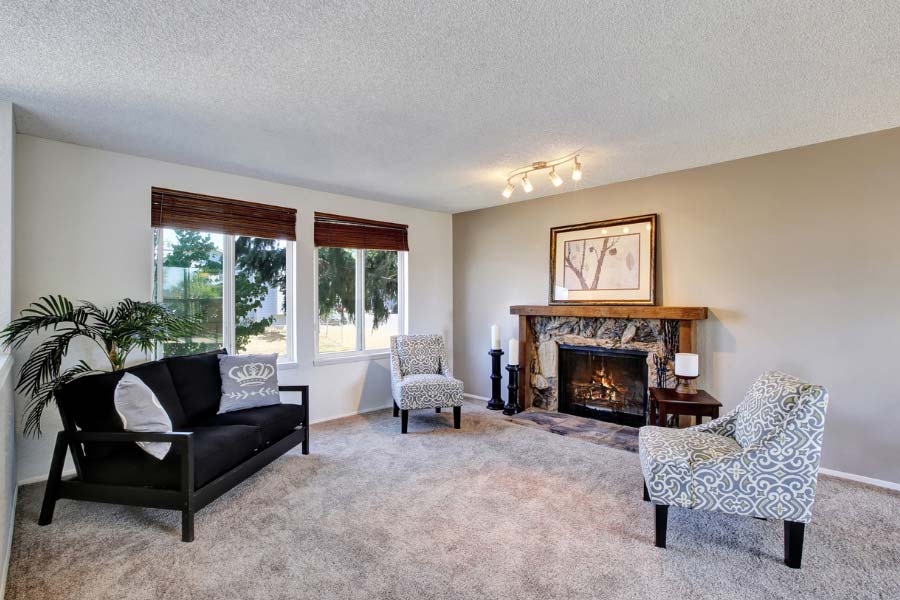
The way you arrange your home has a direct impact on how well air circulates and how much dust settles.
I’ve found that rooms designed with airflow in mind naturally stay cleaner and feel fresher without extra effort.
Start by thinking about your furniture placement. Avoid pushing large pieces flush against walls, especially near vents or windows.
Leaving a few inches of space allows air to move freely behind sofas and bookcases, which prevents dust from accumulating in stagnant pockets.
If you’re working with a smaller space, I recommend prioritizing vertical storage over bulky, floor-level furniture.
Window treatments also play a bigger role than most people realize.
Heavy drapes can trap dust and block airflow, while lighter fabrics or adjustable blinds let you control ventilation without sacrificing style.
I suggest opening windows across from each other whenever possible to create cross-ventilation.
This simple habit pulls fresher outdoor air through your home and pushes stale, particle-heavy air out naturally.
How to Choose Furniture and Decor Accessories That Resist Dust Buildup
The materials and textures you choose have a huge influence on how much dust your space collects. Seriously!
Smooth, non-porous surfaces like leather, faux leather, and tightly woven fabrics repel dust much better than heavily textured materials.
When it comes to decor accessories, less really is more! Open surfaces covered with small items create countless dust traps.
Instead, I suggest displaying a few statement pieces you truly love and storing the rest.
Glass, metal, and sealed wood finishes wipe clean quickly and don’t harbor dust the way unfinished wood or porous ceramics can.
For window treatments, I recommend washable roller shades or faux wood blinds over fabric curtains, especially in high-traffic areas.
Flat-weave or low-pile rugs are far easier to vacuum thoroughly than high-pile shag styles.
The Long Game: How Durability Affects Your Air
The lifespan of your cleaning equipment influences your indoor air quality in ways that extend far beyond daily use.
When critical components like hoses, motors, and filtration systems begin to deteriorate, they don’t just work less effectively; they often start leaking particles and compromising air containment.
Research on equipment lifespan paints a clear picture: the environmental impact of manufacturing and disposing of cleaning equipment is substantial.
This makes durability not just an economic consideration, but an environmental and health priority.
Fortunately, I recommend strategic maintenance that can significantly extend your equipment’s effective life while minimizing emissions:
Regular filter inspection and replacement maintains optimal performance and prevents particle breakthrough.
Checking hose integrity prevents air leaks that compromise both suction power and containment.
Perhaps most importantly, I suggest emptying vacuum bags before they’re completely full to prevent pressure buildup that can force particles back into your air.
Incorporate Plants That Naturally Filter Air (and Look Beautiful!)
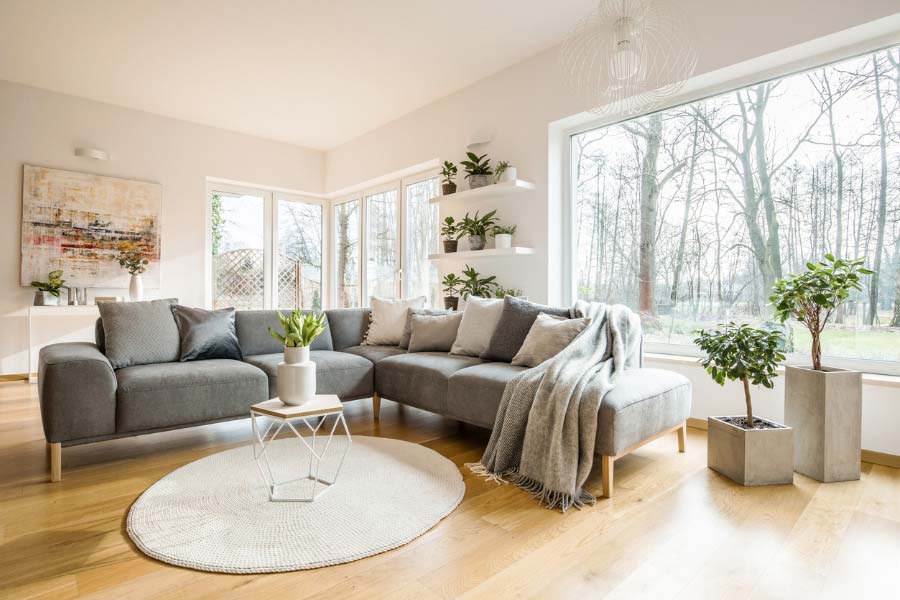
Adding greenery to your home serves double duty: certain plants actively filter airborne toxins while bringing natural beauty into your space.
I love using plants as living decor that quietly improves air quality in the background!
Some of the most effective air-purifying plants are also among the easiest to style.
Snake plants and pothos thrive in low light and work beautifully on shelves or in hanging planters.
Peace lilies are particularly good at filtering mold spores and other airborne irritants, plus their white blooms add elegant focal points to side tables or mantels.
For larger spaces, rubber plants and fiddle leaf figs make stunning floor statements while filtering air in high-traffic areas.
When styling with plants, think about placement as part of your overall design. Group smaller plants on open shelving to create visual layers.
The key is choosing plants that fit both your decor style and your home’s light conditions.
Creating Your Healthier Home Environment
Recognizing how our cleaning tools and design choices influence indoor air quality transforms routine household maintenance.
It becomes an opportunity for creating a healthier, more beautiful home.
The encouraging news is that small, thoughtful adjustments can make a real difference for your respiratory health and overall comfort.
I recommend taking a moment to assess your current space and consider experimenting with one or two targeted improvements.
Whether it’s upgrading your filtration, rearranging furniture for better airflow, adding air-purifying plants, or choosing dust-resistant materials, each positive change helps.
These changes contribute to fostering a healthier indoor environment where your family can thrive.