
A chair can look perfect online, then feel wrong the first time you sit down after dinner.
A table can photograph well, yet snag sleeves, wobble, or crowd the walkway.
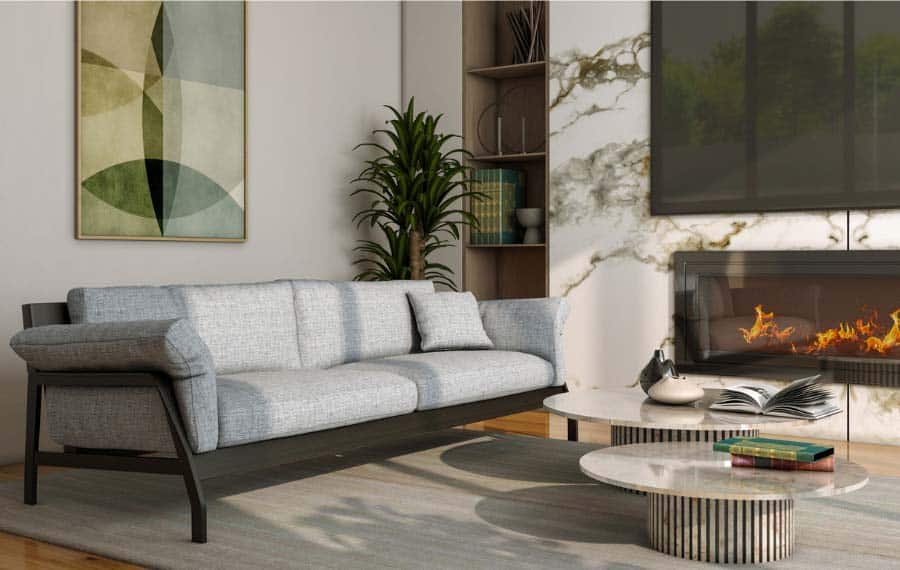
That gap is why custom furniture feels appealing, because you can decide on the details before the build starts.
Brands like Parkman Woodworks sit in that sweet spot where material choices, joinery, and sizing get real attention.
Let me walk you through what I’ve learned about making these decisions stick.
Start with Fit, Flow, and Daily Use
Before wood species and finishes, I recommend you start with how the piece will live in your space.
Measure the room, but also measure the habits that happen there.
Walk the paths you use most and note where people pause, turn, or pull out chairs.
A great piece leaves clear lanes, so the room stays easy on busy days.
Think about the hard moments, not the staged ones on photo day.
Kids leaning on corners, laptops sliding, and chairs scooting all reveal what matters.
If you want a quick reality check, mock the footprint with painter’s tape and live with it.
Two days of tape can save you years of stepping around the wrong depth.
For work surfaces, pay attention to elbow room and cable clutter, not just the top size.
Even a clean build like a modern U shaped desk only works if the reach feels natural to you.
Choose Materials with Your Climate in Mind

Wood moves with moisture, even after it is built and finished.
In dry seasons it can shrink, and in humid seasons it can swell a bit.
That doesn’t mean wood is fragile, it means the build should respect movement.
A maker who talks about grain direction and panel construction is speaking your language.
Ask what parts are solid wood and what parts use veneer or plywood.
Veneer and quality plywood can be smart choices for stability, especially on wide panels.
If you like the look of wood plus metal, ask how the two materials meet.
Wood needs a little freedom, and metal frames need thoughtful fasteners.
A DIY mindset helps here, because you can see the logic in proven builds.
A DIY pipe and wood table works because the structure is simple and the top is supported well.
Here are material details I recommend asking about before you approve a design:
- Board thickness for tops and shelves, since thin stock can sag under books, dishes, or monitors.
- Edge build up plans, because a thicker edge can add strength without adding heavy visual weight.
- Hardware grade for slides and hinges, since soft close parts vary a lot across price tiers.
- Metal finish type, because powder coating and paint wear differently near shoes and vacuum bumps.
- Wood source and drying method, since properly dried lumber behaves better in normal indoor humidity.
Look Closely at Joinery and Structure
A pretty surface is easy to love, until drawers rack or doors drift out of square.
The quiet test is how the piece holds itself together over time.
Joinery is the connection method between parts, and it matters more than most people expect.
Strong joinery spreads load, resists twisting, and keeps corners tight.
You don’t need to speak in shop terms to ask good questions.
Ask what joint style is used at legs, rails, and case corners, and why.
Also ask what backs and stretchers are doing, because they keep cabinets from wobbling.
A thin back can still work, but it must be attached well.
If a piece needs to move, like a large bookcase or a long desk, ask about break down design.
Sectioned builds can travel easier and stay square longer.
Finally, look at shelves and spans, especially for media units and book storage.
A shelf that bows early will keep bowing, even if it looks fine today.
Finishes, Smell, and Indoor Air Quality

Finish is more than color, it’s also the surface you live with every day.
It affects cleaning, scratch resistance, and how the piece feels to the touch.
If you’re sensitive to odor, ask what finish system is used and how it cures.
Some finishes off gas more than others during the first days.
The EPA notes that volatile organic compounds can be higher indoors than outdoors, and some activities spike levels sharply.
That doesn’t mean you should fear every finish, it means you should plan smart.
Ask for a cure timeline, and avoid placing a fresh piece in a tight nursery where your little one sleeps.
Also ask about maintenance, because some finishes look better but need gentle care.
If you want low drama cleaning, I suggest steering toward durable topcoats and simple sheens.
If you love the feel of raw wood, ask about hard wax oils or low odor options.
A good maker can explain tradeoffs without pushing you into a fussy choice.
The Custom Process, Budget, And Fewer Regrets
Custom goes smoothly when the process is clear before the first board is cut.
You want drawings, lead times, and a plan for changes that come up.
I recommend starting with a short design brief that names the room, the use, and the pain point.
Then share photos of your space, plus a couple references you truly like.
Pricing is easier to accept when you see what drives it.
Material grade, metalwork, hardware, and labor hours all shift the total in real ways.
It helps to ask a few direct questions before you approve the final quote:
- What is included in the price, such as delivery, install, and wall anchoring for tall pieces?
- What changes trigger a cost increase, like size shifts, drawer count, or finish upgrades?
- What happens if the final piece needs adjustment after delivery, like leveling or door alignment?
Also confirm the care plan in writing, because it saves awkward follow ups later.
A one page care note can prevent water rings, heat marks, and finish dulling.
Custom furniture feels best when it matches your room and your routines, not just a reference photo you liked for five minutes.
If you measure for real walking space, think through daily wear, and ask clear questions about joinery, materials, and finish, you end up with a piece that stays solid and easy to live with.
It also helps to treat the process like a small plan instead of a quick purchase.
Get the drawings, confirm the care notes, and make sure the timeline fits your life, especially if delivery matters for a move or a gathering.
When those basics are handled early, the final choice tends to feel calm and obvious, because you’re choosing for the way you actually use your home.