
Interior design trends may dominate social media feeds and renovation inspiration boards, but many homeowners eventually discover that preserving a beautiful interior often depends on structural systems hidden entirely from view.
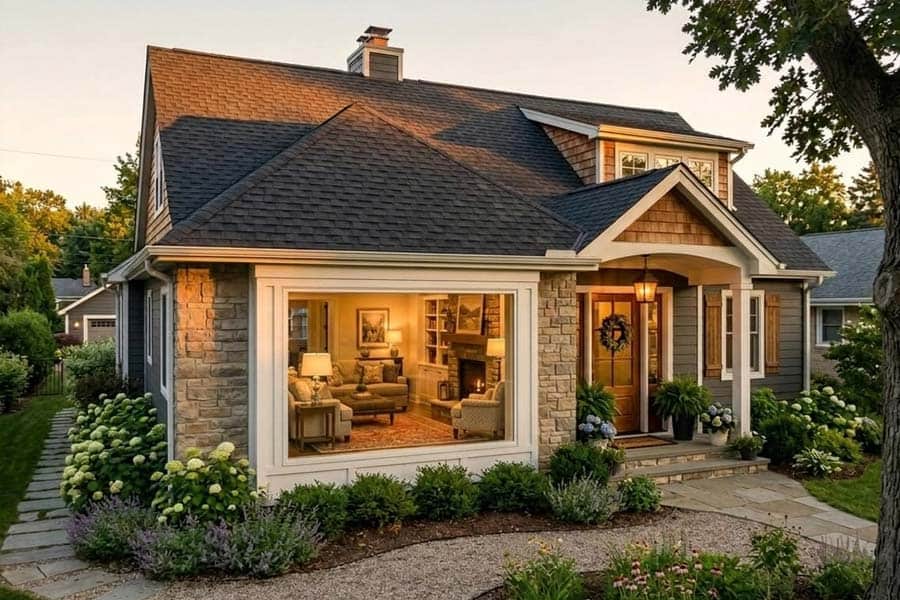
Fresh paint colors, upgraded flooring, custom shelving, statement lighting, and carefully designed decor can quickly lose their impact when moisture damage, poor ventilation, or roofing problems begin affecting the home itself.
This realization is changing how many people approach home improvement projects.
Instead of treating exterior maintenance and interior renovation as separate priorities, homeowners increasingly understand that the long-term condition of interior spaces is heavily influenced by roofing performance, drainage coordination, ventilation quality, and moisture control happening above and around the home.
As weather conditions become more demanding and renovation costs continue rising, preventative exterior maintenance is becoming one of the most important ways you can protect the time, money, and creativity you’ve invested inside your home.
Interior Damage Often Starts Outside
One of the biggest misconceptions in home renovation is the assumption that interior deterioration always begins indoors.
In reality, many cosmetic problems that appear inside your home originate from exterior vulnerabilities that gradually worsen over time.
Ceiling stains, peeling paint, warped flooring, bubbling drywall, musty odors, and recurring humidity problems frequently trace back to roof leaks, damaged flashing, poor attic ventilation, or ineffective drainage systems.
Homeowners sometimes spend heavily on redecorating projects without realizing hidden moisture exposure is continuing behind walls or above ceilings.
Because these problems often develop slowly, they may go unnoticed until visible interior damage eventually appears.
This is one reason preventative exterior inspections have become far more important for homeowners investing in interior renovations.
Protecting your decorative finishes increasingly requires understanding how exterior systems influence the environment inside your home.
Roof Drainage Influences Interior Stability
Drainage systems are another major factor that can quietly affect your interior conditions.
Poor roof runoff management may allow water to collect near foundations, exterior walls, or structural transitions where moisture gradually enters hidden parts of the home.
Overflowing gutters, clogged downspouts, and improperly directed drainage channels can contribute to humidity buildup, insulation deterioration, and water migration behind finished interior surfaces.
In some cases, you might notice interior symptoms long after exterior drainage problems first begin developing.
This issue becomes especially common in homes with older gutter systems, large rooflines, or repeated storm exposure throughout the year.
Properties experiencing recurring moisture issues often require more comprehensive exterior evaluations involving drainage flow, flashing integrity, ventilation balancing, and roof condition assessments.
Roofing specialists like Altair Austin Roofing Company are frequently involved in situations where homeowners are trying to stop recurring moisture transfer affecting ceilings, wall finishes, attic insulation, or recently renovated living spaces after years of unnoticed exterior wear and inefficient water management around the roofline.
Moisture Is One of the Biggest Threats to Interior Design
Moisture intrusion quietly undermines many types of interior renovation work.
Painted walls, wood flooring, decorative trim, cabinetry, textiles, wallpaper, and furniture materials may all deteriorate faster when hidden humidity imbalance develops inside the structure.
Even relatively minor roofing vulnerabilities can gradually create condensation buildup or elevated moisture levels that affect surrounding materials over time.
In homes with poor attic airflow, trapped heat and humidity often place additional stress on ceilings and upper-level living spaces during seasonal weather extremes.
I’ve seen how easy it is to focus on the beautiful details inside a home and completely overlook what’s happening above and around it.
Modern homeowners increasingly recognize that maintaining stable indoor conditions requires far more than simply controlling temperature through HVAC systems.
Exterior airflow, drainage performance, roofing integrity, and ventilation coordination all contribute directly to protecting your interior finishes from environmental stress.
This relationship has become especially important as homeowners invest more heavily in personalized living spaces and long-term renovation projects.
DIY Renovations Are Encouraging More Preventative Maintenance
The growth of DIY home improvement culture has also influenced how homeowners think about exterior maintenance.
Many people who begin with cosmetic upgrades eventually gain a greater appreciation for the structural systems supporting the home itself.
After repainting walls, installing flooring, restoring furniture, or redesigning living spaces, you naturally become more motivated to prevent future damage that could undo all of that hard work.
This has contributed to growing interest in roof inspections, attic evaluations, gutter maintenance, and moisture-control upgrades before beginning large-scale interior projects.
Rather than viewing exterior repairs as unrelated maintenance expenses, many homeowners now treat them as part of protecting the renovation investments they’ve already made inside the property.
This shift is helping create a more well-rounded approach to residential improvement overall.
Ventilation Affects Comfort and Material Longevity
Ventilation performance also plays a larger role in interior preservation than many homeowners realize.
Poor attic airflow can create heat accumulation and humidity imbalance that gradually affect ceilings, paint adhesion, wood materials, and indoor comfort itself.
Upper floors often become noticeably warmer when attic ventilation systems fail to regulate heat effectively.
At the same time, trapped humidity may weaken drywall, reduce insulation efficiency, and contribute to subtle moisture-related deterioration throughout the structure.
Balanced ventilation systems help stabilize indoor temperatures while reducing the environmental stress placed on your interior finishes during seasonal weather changes.
As homes become more energy efficient and tightly sealed, proper airflow coordination throughout the roofing assembly has become increasingly important for maintaining healthy indoor conditions long term.
Weather Conditions Are Increasing Maintenance Pressure
Climate variability has also increased the importance of preventative exterior maintenance.
Stronger storms, prolonged rainfall, fluctuating humidity levels, and extended heat exposure all place greater stress on roofing systems and moisture barriers throughout the year.
Homeowners who once delayed exterior maintenance until visible leaks appeared are increasingly taking a more proactive approach.
Many now recognize that waiting too long often leads to more expensive repairs affecting both structural systems and interior renovation work at the same time.
This shift is especially noticeable among homeowners investing in custom interiors, open-concept renovations, and long-term home upgrades where protecting indoor finishes becomes part of preserving overall property value.
According to The International Association of Certified Home Inspectors, moisture intrusion and inadequate exterior maintenance remain among the most common contributors to long-term residential deterioration affecting both structural systems and interior environments.
These findings continue encouraging homeowners to evaluate exterior performance before cosmetic damage appears indoors.
Your Interior Style Depends on What Happens Outside
The growing connection between exterior maintenance and interior preservation reflects a broader shift in how homeowners approach renovation planning overall.
Interior style is no longer viewed as entirely separate from structural performance.
Roofing systems, attic ventilation, flashing, drainage coordination, and moisture management all influence how well your interior spaces hold up over time.
Even the most carefully designed rooms remain vulnerable when exterior systems quietly deteriorate behind the scenes.
As renovation investments continue growing and homeowners prioritize long-term comfort, preventative exterior maintenance will likely become an even more important part of protecting the interior living environments you’ve worked so hard to create.
In many homes, preserving interior style begins long before anyone picks up a paintbrush or starts rearranging furniture.
Leave a comment